

Bill of Sale Aug 31, 2026
Selling a vehicle on your own may seem intimidating, however, the private sale route often produces much more money in your pocket than trading it in at a dealership. Private sales require more of your effort, organization, and knowledge of the state-specific rules and regulations.
Here is a complete guide that takes you step-by-step through the entire process of selling a used car privately in Washington State. By following the steps outlined below, you will receive the highest possible price for your used automobile while also safely completing a legal transaction.

Why Sell Your Car Privately in Washington?
With a private sale, you are in control of the sale process, including determining the terms, price, and timing for the sale. A dealership has significant overhead costs, meaning that they must offer you less than fair market value for your vehicle in order to be profitable when they resell it. By selling your vehicle privately, you eliminate the middle man.
Washington has a very large market for used automobiles. Buyers are actively seeking out the types of vehicles you are selling, whether it's a rugged truck for mountain passes or a fuel-efficient commuter vehicle that fits well in heavy Seattle traffic.
Connecting with local buyers is easy and secure using websites such as KarKiosk. Not only can you post a listing on multiple websites at one time, but you can also communicate directly with buyers in a secure manner, plus provide buyers with free vehicle history reports to help establish trust in your product.
Step-by-Step Guide to Listing Your Automobile
In order to get your automobile noticed by buyers, you have to do more than just park it in your front yard with a "For Sale" sign on it. To get your vehicle in front of as many potential buyers as possible, you should first employ a strategic online presence to create maximum visibility for your vehicle.
1. Obtain General Information
To begin, find either your Vehicle Identification Number (VIN) or the license plate number for the vehicle. Most of the online listing services will pull the car's exact make, model, year and standard features directly, by using either the VIN or the license number; thus eliminating the significant time it would take to have to manually enter the information and ensuring accuracy.
Upon obtaining your VIN or plate number you should also record the current mileage on the vehicle, along with any recent maintenance or repairs that have been performed on the vehicle; both of these details can add significant value to your listing.
2. Prepare Your Vehicle
First impressions are very important, therefore, before listing your vehicle, clean it out thoroughly, inside and out. Remove all personal items, vacuum and shampoo the carpeting, wipe down the dashboard; and for an extra touch you may want to get a professional cleaning of the exterior of the car. Cleaning the car can give the potential buyer the impression that the vehicle has been properly cared for throughout its lifetime.
3. Photograph/Video Your Vehicle
Providing clear and numerous photos of your vehicle on your listing will greatly increase the viewings of your listing. Provide pictures of the front, rear, both sides, the seats, dashboard, trunk, and under the hood. If your vehicle has any dents/scratches, take honest photos of them; being up-front about the condition of your vehicle can save both the seller and buyer from wasting time meeting in person. A quick, 30-second video of the engine running or a walk-around of the vehicle will definitely make your listing stand out.
4. Price Effectively
Pricing your vehicle right is important; if your price is too high, your listing will not get any views, and if your price is too low, you will be losing money. Using online appraisal sites can determine the prevailing rates in your community of Washington based on the state of your vehicle.

5. Write an Engaging Narrative
Your description should recount the history of the automobile, from where you traveled (your daily commute driving from Tacoma to Seattle, weekend off-roading trips around Mt. Rainier, etc.) to any improvements you have made to the car (new tires, brake pads replaced, and recent oil changes).
Legal Documentation for Selling a Vehicle in Washington State
To legally protect yourself from potential future liabilities created by the sale of your vehicle, you must comply with the requirements for regulation established by the Washington State Department of Revenue (DOR) at the time you complete your transaction.
Certificate of Title
Without a title, you cannot sell a motor vehicle in Washington. If you do not have the title or it has become damaged beyond recognition, contact the DOR for a duplicate title before listing the vehicle for sale.
If you have a lien on the car due to a car loan, your lender holds the title. You must pay the remainder owed to your lender before obtaining the title. After the loan has been repaid, your lender must release the lien on the vehicle allowing you to receive a clear title to sign over to the buyer.
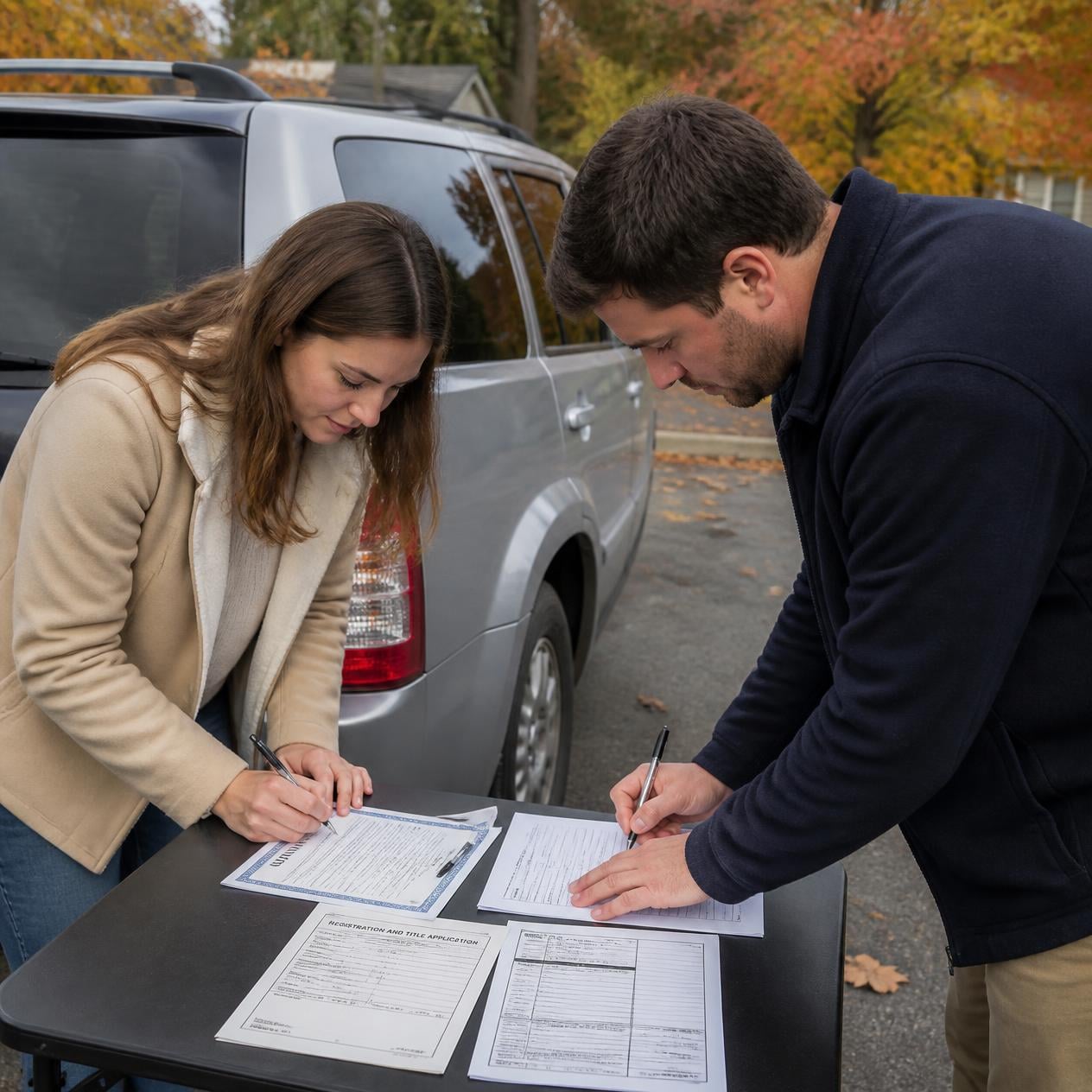
You will need to complete the assignment of title on the front of the certificate by recording the name and address of the buyer, the date of the sale, the selling price of the vehicle, and the odometer mileage at the time of sale. You must sign your name on the front of the title document in the same manner as it appears on the front.
If there are two names listed on the title connected with "AND," both owners must sign the title. If separated by "OR," only one signature is necessary. Under no circumstances should correction fluid be applied, and you should always write legibly when completing a title assignment as errors in completing a title assignment will cause the title to be invalid.
Bill of Sale
You must complete a bill of sale, also referred to as a vehicle bill of sale, for all private vehicle sales. The approved format for the bill of sale is the Vehicle Bill of Sale (Form TD-420-065) issued by DOR. The bill of sale is referred to as a receipt and must include information such as:
Year, make, and model of the vehicle; vehicle identification number (VIN); price agreed upon; date of sale; signatures and printed names of the buyer (purchaser) and seller (vendor) – 2 copies for each party to keep as personal records.
Report of Sale
Failing to file a report of sale is a common mistake made by many sellers. Once you have transferred ownership by delivering a set of keys, you are required to file a report of sale with DOR within five days of the sale. You have the option to file online, in person, or by mail. When you file this report, you relieve yourself of all future liability. For example, if the new owner receives parking citations, leaves the vehicle in an abandoned state, or gets into an accident before registering the vehicle with DOR, you will have filed a report of sale that verifies that you have no responsibility for said vehicle.
Table 2: Washington Seller Document Checklist
Document Name | Required? | Where to Get It | Purpose |
Certificate of Title | Yes | Current Owner/DOL | Proves legal ownership and facilitates the transfer. |
Bill of Sale (TD-420-065) | Yes | Washington DOL Website | Acts as a legal receipt for the transaction. |
Report of Sale | Yes | Washington DOL Website | Releases seller from liability after the vehicle is sold. |
Emissions Certificate | Varies | Local Testing Center | Required in certain counties for specific vehicle ages. |
Maintenance Records | No | Personal Files | Builds buyer trust and justifies your asking price. |
License Plates and Taxes
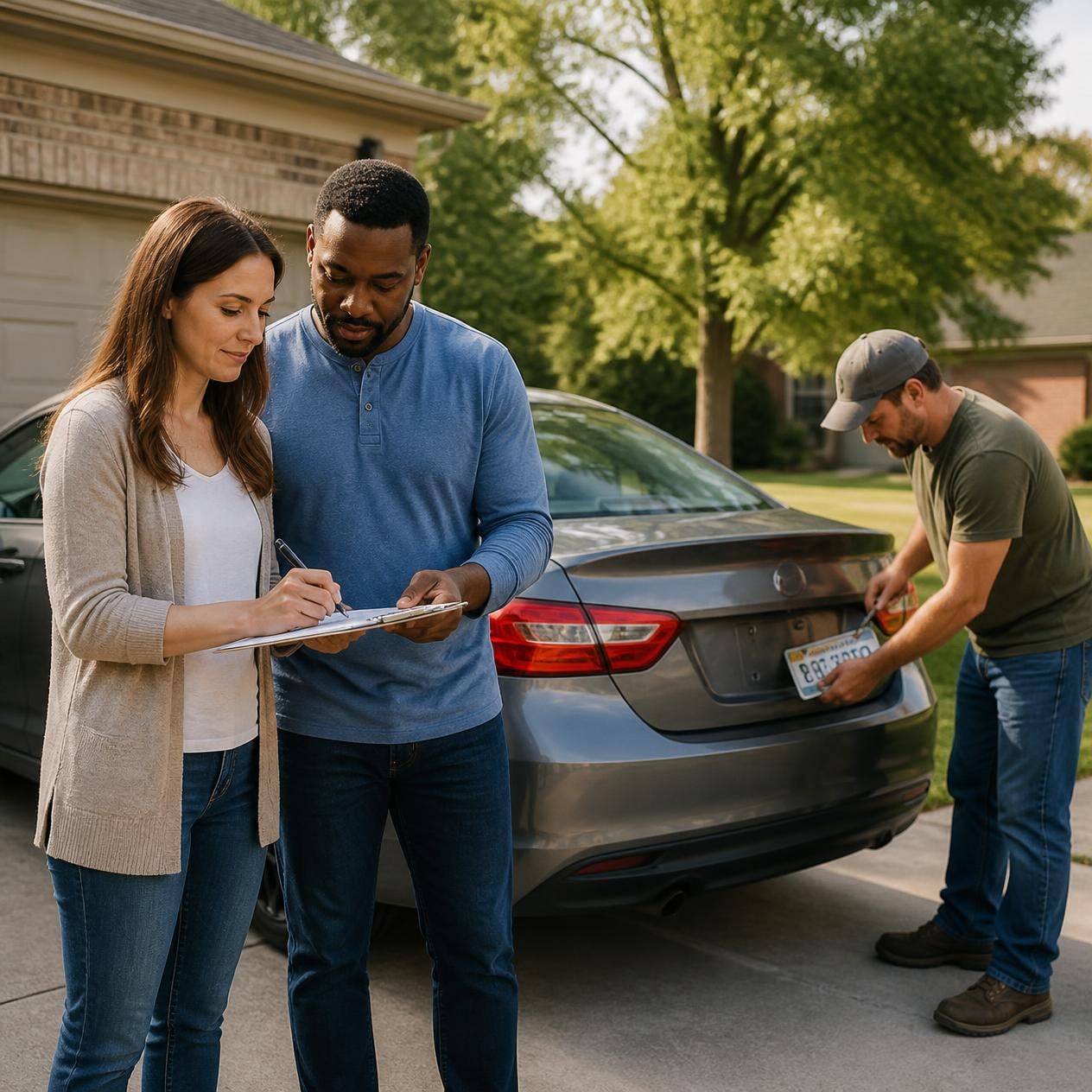
The license plates are associated with the vehicle in Washington state; therefore, once you have sold your vehicle, you leave them attached to the vehicle when the buyer leaves. At the time of registration, the new owner will transfer those specific plates into their name. Your connection to those plates will end the moment you file your Report of Sale.
In any case, private sellers do not collect sales tax on private sales. Once the sale is completed, it is the buyer’s obligation to pay the use tax directly to the DOL, during the title transfer.

Safety and Secure Communication
It is important to take precautions when arranging to meet with strangers to exchange a high value item, as both your physical and financial safety can be compromised. Make sure you place a priority on your safety and your finances, throughout the entire process.
Vetting Potential Buyers
Utilize a platform that provides secure communication. For example, secure communication should involve messaging via voice chat or chat without having to give out your personal cell number or email address. When a buyer first reaches out to you, try to assess the seriousness of the buyer. Most genuine buyers will have specific questions about the condition, history and maintenance of the vehicle. Be cautious of buyers who offer to purchase the vehicle sight unseen or are trying to pressure you into complex shipping arrangements for third parties.
Scheduling the Test Drive
Never allow a public viewing of the vehicle or a test drive at your home. All public viewings and test drives should take place in a location that is well-lit and has heavy foot traffic. To ensure you can locate a safe area when meeting for a test drive, select a location that meets this criteria and has an excellent amount of parking. Some great examples include finding a parking lot of a bank, large retail store, or police station.
Before you hand over the keys to a prospective buyer for a test drive, be sure to ask to see their physical driver’s license. Use your smart phone to take a quick photo of the license, and inform the buyer that you will be sending the photo to a family member for their safety. Always ride in the passenger seat during the test drive. Riding in the passenger seat allows you to provide answers to any questions the buyer may have, and also protects your asset by preventing them from driving away with it.
Navigating the Payment Process
Accepting the right method of payment will minimize the likelihood that you are going to suffer a significant loss due to fraudulent payments. If you accept a personal check as payment, there is a strong possibility that the check will bounce after the vehicle is gone.
Table 3: Safe Payment Methods for Private Car Sales
Payment Method | Safety Level | Important Considerations |
Cash | High (for smaller amounts) | Best for transactions under $5,000. Meet at a bank to verify bills and deposit immediately. |
Cashier's Check | High | Go to the buyer's bank with them and watch the teller print the check to avoid sophisticated forgeries. |
Bank Wire Transfer | Very High | Secure and irreversible. The downside is that it may take a business day to fully clear into your account. |
Personal Check | Very Low | Highly discouraged. The check can bounce, leaving you without the car or the money. |
Payment Apps (Venmo/Zelle) | Medium | Good for small deposits, but often have transfer limits and can be subject to chargeback scams. |
Finalizing the Sale
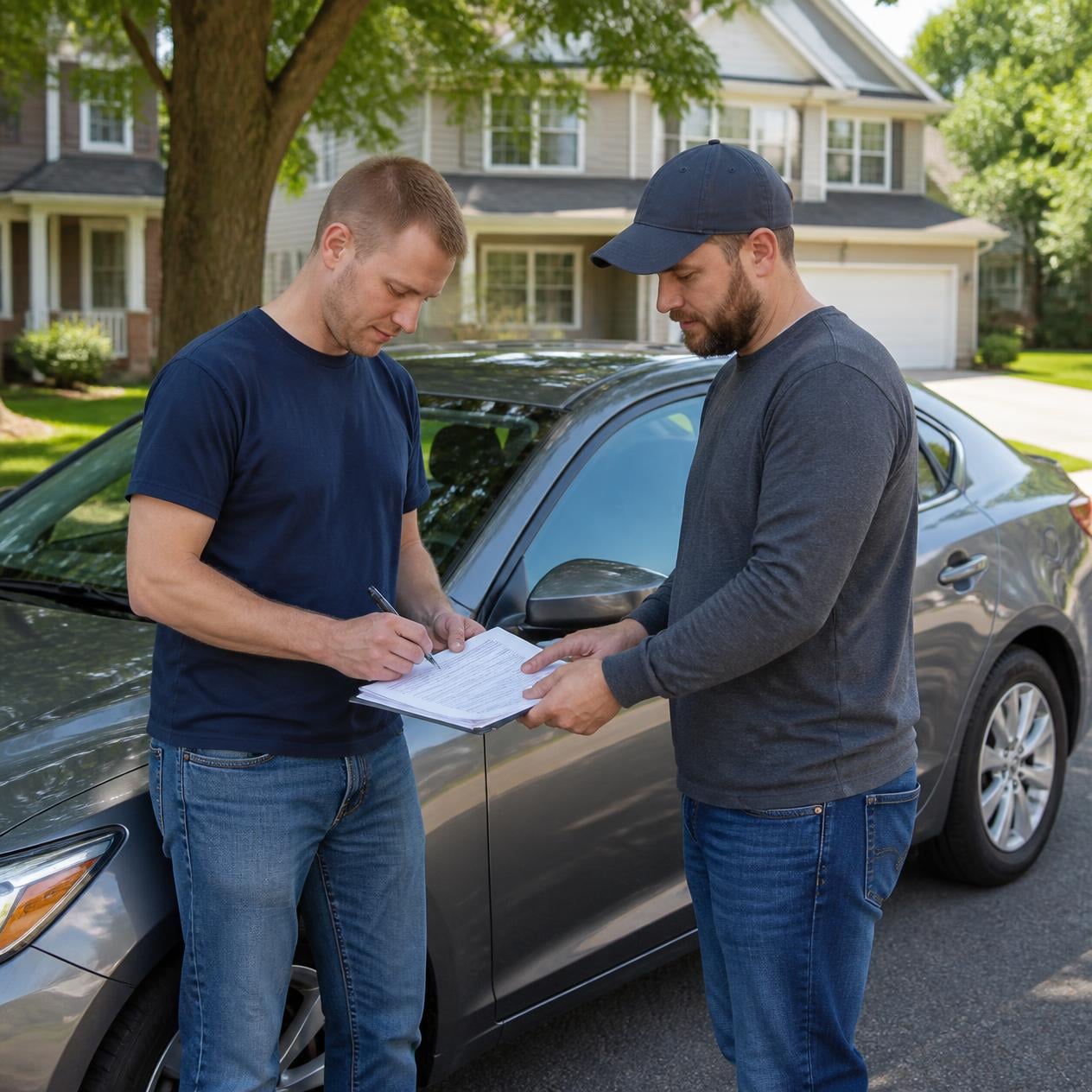
Once the terms of sale, including the purchase price, have been agreed upon and the buyer has provided verified funds for the purchase of your vehicle, it is now time to complete the sale. You and the buyer should complete a Bill of Sale together, making sure that the information entered is accurate and that the information is readable. Next, you will transfer the title of the vehicle to the buyer in the manner specified in the Washington DOL.
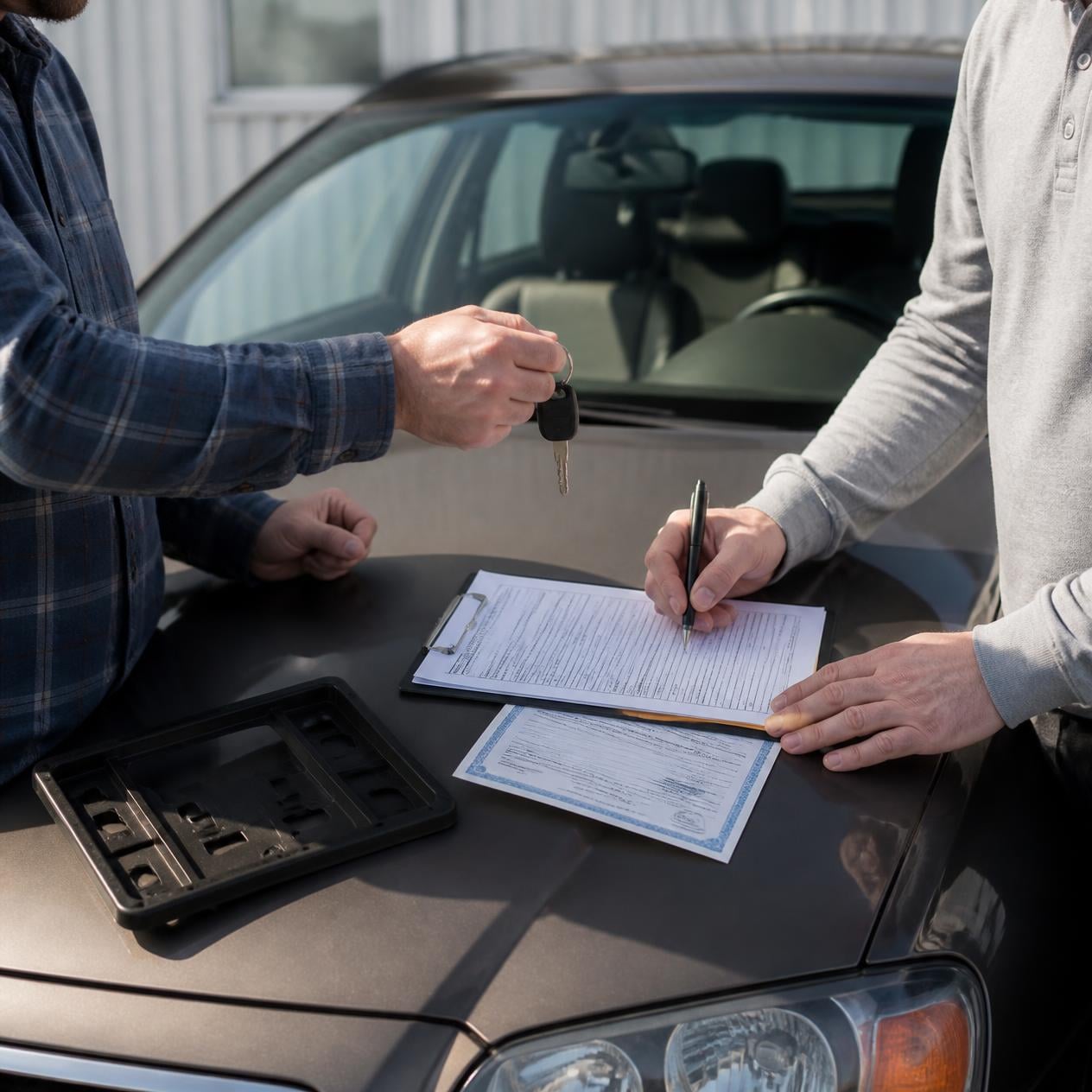
To finalize the sale, hand over the keys to the vehicle, the owner's manual, and any service records that you promised to provide to the new owner. As soon as the sale has been completed, you should go to the Washington DOL web site on your phone or other mobile device and submit a Report of Sale. Finally, contact your auto insurance provider and cancel insurance coverage on the vehicle that was sold, so that you do not have to pay for something that you no longer are going to be using.
Selling a vehicle in a private sale in Washington requires considerable attention to detail, but the financial benefit of doing so usually exceeds the amount of effort expended in doing so. If you prepare your vehicle for sale, market the vehicle properly, and complete all paperwork accurately, you will have a firm understanding of the private automobile market and you will maximize the amount of money you receive from the sale.