

Bill of Sale Aug 31, 2026
Searching for a safe and affordable vehicle? Then by looking at a "For Sale by Owner" used vehicle through looking online in PA is the way to go! This way you can avoid paying too much money at a dealership and contact the owner directly.
Whether you're a first time buyer in Philly, are going to school at State College, or just need a vehicle that you can rely on when traveling through the Poconos, the private marketplace provides countless options in the PA used car market. This guide includes how to find the best used vehicles and completing final paperwork like an expert.
Purchasing from a private seller feels more like purchasing from someone you know versus the pressure you might feel at a dealership. You'll be able to speak directly with the owner that owned that vehicle, asking detailed questions about how the vehicle was maintained, and you'll have access to a wider variety of unique vehicles than what you might find on a dealer's lot. If you follow the guidance provided herein you will likely find a great vehicle at a price you can afford.

Reasons to Buy from a Private Seller vs. a Dealership
Buying from a private seller versus using a dealership has its advantages and disadvantages. Knowing what they are will help you determine which direction you wish to pursue. The amount of money you stand to save is considerable, but it also requires more effort on your part, as the buyer.
Below is an overview of how things will be when you choose to buy directly from the owner as opposed to going through a dealership.
Pros of Buying from a Private Seller | Cons of Buying from a Private Seller |
Lower Prices: Private sellers don't have overhead costs like rent, staff salaries, and marketing, so they can often offer lower prices. | No Warranties: Most private sales are "as-is," meaning you have no warranty or recourse if something breaks after the purchase. |
Direct Negotiation: You negotiate directly with the owner, which can lead to more flexibility and a better final price without a salesperson's commission. | Higher Risk: The responsibility is on you to inspect the car thoroughly. Hidden problems become your financial burden. |
No Hidden Fees: You avoid common dealership add-ons like documentation fees, dealer prep charges, and other administrative costs. | Complex Paperwork: You and the seller are responsible for correctly completing all title transfer and registration paperwork. |
Honest History: The owner can often provide a more detailed and personal history of the vehicle, including maintenance habits and quirks. | No Financing Options: You typically need to secure your own financing through a bank or credit union or pay in cash. |
Unique Selection: The private market can be a great place to find well-maintained older models, classic cars, or customized vehicles. | Safety Concerns: You need to take precautions when meeting strangers and handling a large cash transaction. |
Planning to Purchase the ‘Best Fit’ Vehicle in Pennsylvania
Prior to beginning to search for vehicles, a buyer needs to become aware of all the potential places to find used vehicles for sale. Having an effective vehicle search strategy will eliminate many hours of searching through different websites for ideal local offers. Sites such as KarKiosk help facilitate and connect buyers and sellers in Pennsylvania and provide a streamlined way to search for vehicles.
Optimizing Your Search Process
Due to the large number of vehicle listings on the various modern online marketplaces, you have the opportunity to use tools to filter through the many options. Therefore, it is important to utilize filters to improve the efficiency of your search process.
Make and Model: As with Price, filtering by Make & Model does two things. First, it allows you to filter down to the specific Make and Model of vehicle that works best for your lifestyle. Secondly, filtering your options by the specific Make and Model of vehicle gives you a more accurate search for what is available to you within your price.
Price Range: Once again, the price give you the chance to create a realistic budget for what you can spend on a vehicle. By filtering your results by price, you can avoid any temptation to spend unnecessary amounts of money on something you may not need. Additionally, ensure that your budget includes some sort of allowance for repairs/taxes and registration fees.
Mileage: While lower mileage may result in a "better" value, there are plenty of high-mileage vehicles that still offer immense value when cared for properly. If you expect to be using the vehicle for a long commute, a vehicle with fewer miles should probably be your priority.
Location: When searching for vehicles, it is critical to search only for vehicles that are relatively close to you, i.e., within the cities or regions of interest. By doing so, you not only save on travel time, but you also save on fuel costs. You can quickly set up an appointment for a test drive and have the ability to look at more than one vehicle without traveling across the state.
Here is a look at the variety of makes available on the private market in Pennsylvania, catering to different needs and budgets.
Vehicle Type | Popular Makes in Pennsylvania | Ideal For |
Sedans | Honda, Toyota, Nissan, Ford | Commuting, fuel efficiency, city driving |
SUVs | Jeep, Ford, Chevrolet, Audi, BMW | Families, all-weather capability, cargo space |
Trucks | Ford, Ram, Chevrolet, GMC | Hauling, towing, work, and rural living |
Luxury | BMW, Audi, Lexus, Mercedes-Benz, Porsche | Comfort, performance, and advanced features |
Budget-Friendly | Hyundai, Kia, older models of any make | First-time buyers, affordable transportation |

The Pre-Purchase Inspection: Your Most Important Task
After selecting a vehicle that is suitable, the inspection is one of the most important steps when purchasing a car. This is due to the fact that if you buy a car "as-is," all the issues that existed prior to your purchase will also become your responsibility. A good inspection may help you avoid becoming financially paralyzed by purchasing an automobile.
If you have no expertise in the automotive field, you should always have an independent mechanic examine the car before making a final decision. Although there is a cost associated with having a car inspected by an independent mechanic, that cost is very small when compared to the value of your peace of mind.
Areas of Focus During Inspection/Driving of Subject Vehicle:
Exterior
Body Panels - Look for any dents, deep scratches, or rust especially in areas around the wheel well and underneath the door.
Paint - Look for any mismatched paint colors and any overspray on trim. Both are indications that there was an accident and bodywork was done.
Tires - Look at the tread depth. If the tread depth is worn unevenly there may be an issue with the wheel alignment or suspension.
Glass - Inspect the windshield and windows for any cracks or large chips.
Interior
Electronics - Test all electronics, including the radio, air conditioning, heater, power windows, power locks, and sunroof.
Upholstery - Look for any large rips, any significant stains, and any strong odors of smoke or mildew.
Warning Lights - When you start the vehicle check to see if there are any warning lights (like "check engine") illuminated on the dash.
Mechanical Inspection Checklist
Engine - Open the hood to inspect for coolant, oil, and other leaking fluids. Inspect all hose fittings for cracks or leaks and inspect the battery cables for any signs of corrosion.
Fluid Levels - Check the oil and transmission fluid levels and then inspect the color of both. If the oil is dark and gritty, this will indicate an issue.
Test Drive - Take the car out at different speeds on the highway as well as on city roads. Listen for any unusual noises produced by either the engine or brakes. Feel for vibration in the steering wheel or difficulties when attempting to shift the car into gear.
Understanding A Vehicle History Report
Before travelling to view a prospective vehicle, obtaining a Vehicle History Report (VHR) is an important first step in evaluating whether or not to purchase from that particular source. To obtain a VHR, the vehicle's VIN (Vehicle Identification Number) is needed.
To summarise: The VHR provided by CARFAX or AutoCheck are your two best VHR options and will include:
A full accident history - reports with details of reported accidents including the damage.
Title status - whether or not the vehicle has a clean title and if the title has been re-branded as salvaged, rebuilt or flooded. When a title is re-branded it usually shows that there has been an accident and therefore decreases the market value of the vehicle.
Odometer readings - records of previous odometer readings to assist buyers in recognizing odometer roll-backs or odometer fraud.
Maintenance records - in some cases the vehicle maintenance record will be included in the VHR.
Previous ownership - how many previous owners the vehicle had.
Obtaining a Vehicle History Report can assist you in confirming the seller's information about the vehicle you are considering and may assist in identifying any major issues with the vehicle that the seller did not disclose to you or may not have been made known to you.

The Documents Required to Make it Legal in Pennsylvania
Properly executing the legal process for transferring title is important. Pennsylvania has some rules and regulations you need to adhere to in order to prevent complications later on.
Essential Documents Required for a Private Vehicle Sale in Pennsylvania
Document | Who is Responsible? | Key Information |
Pennsylvania Certificate of Title | Seller & Buyer | Seller's signature must be notarized. Both parties should be present. Do not accept a pre-signed title. |
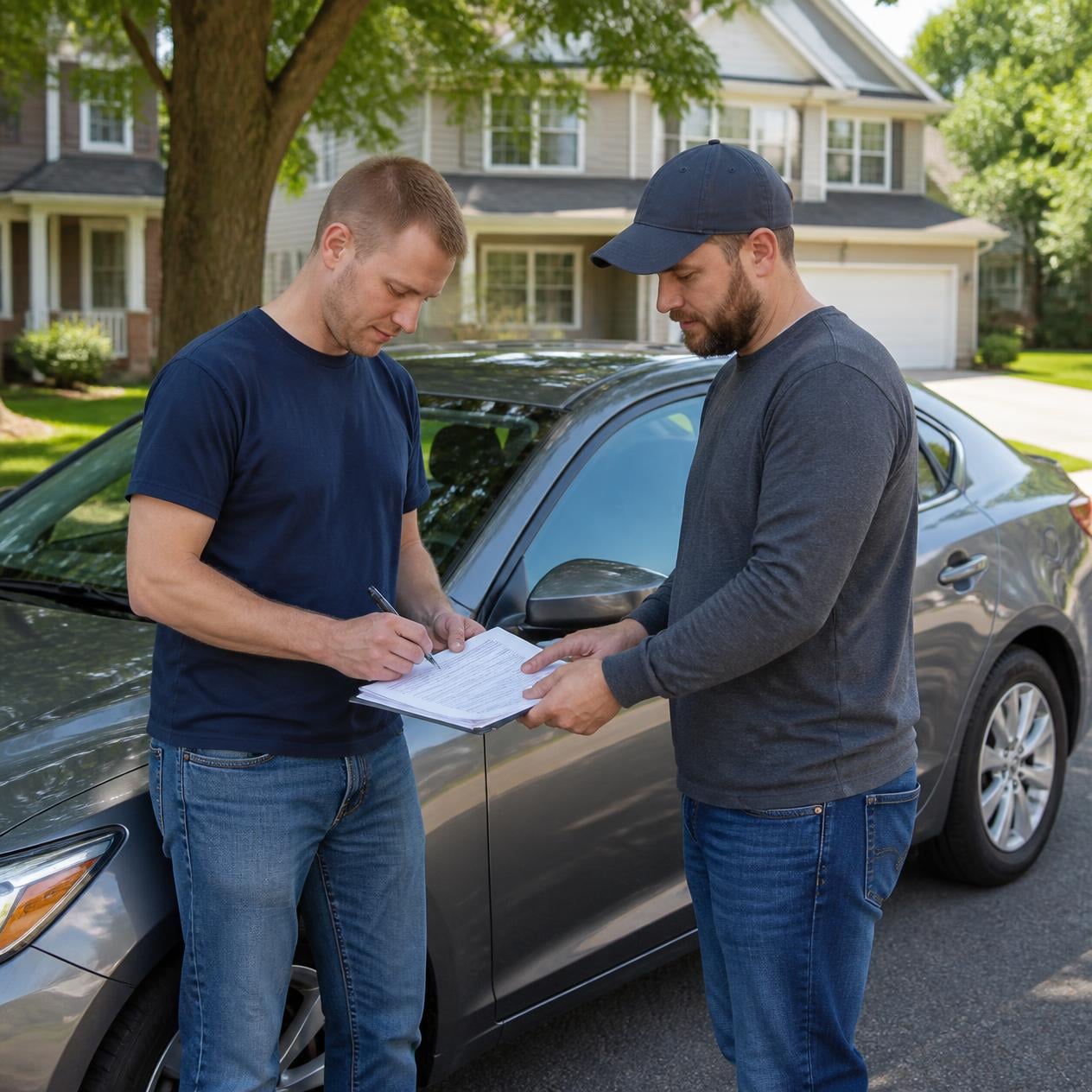
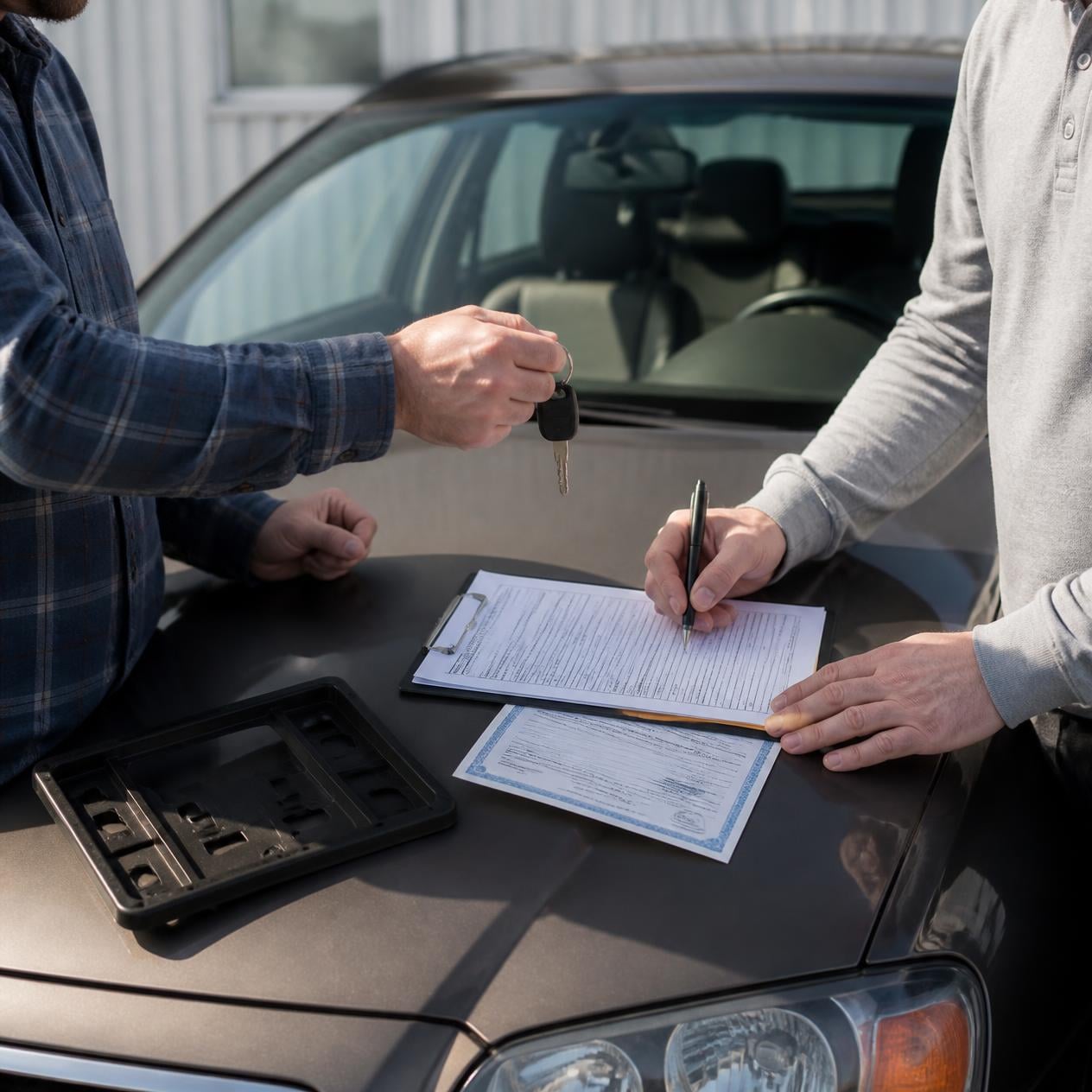
Bill of Sale | Seller & Buyer | Includes names, vehicle info (VIN), purchase price, and date. A crucial receipt for both parties. |
Odometer Disclosure Statement | Seller & Buyer | Mileage must be recorded on the title or a separate federal form. |
Proof of Insurance | Buyer | You must have active insurance on the vehicle before you can register it and drive it legally. |
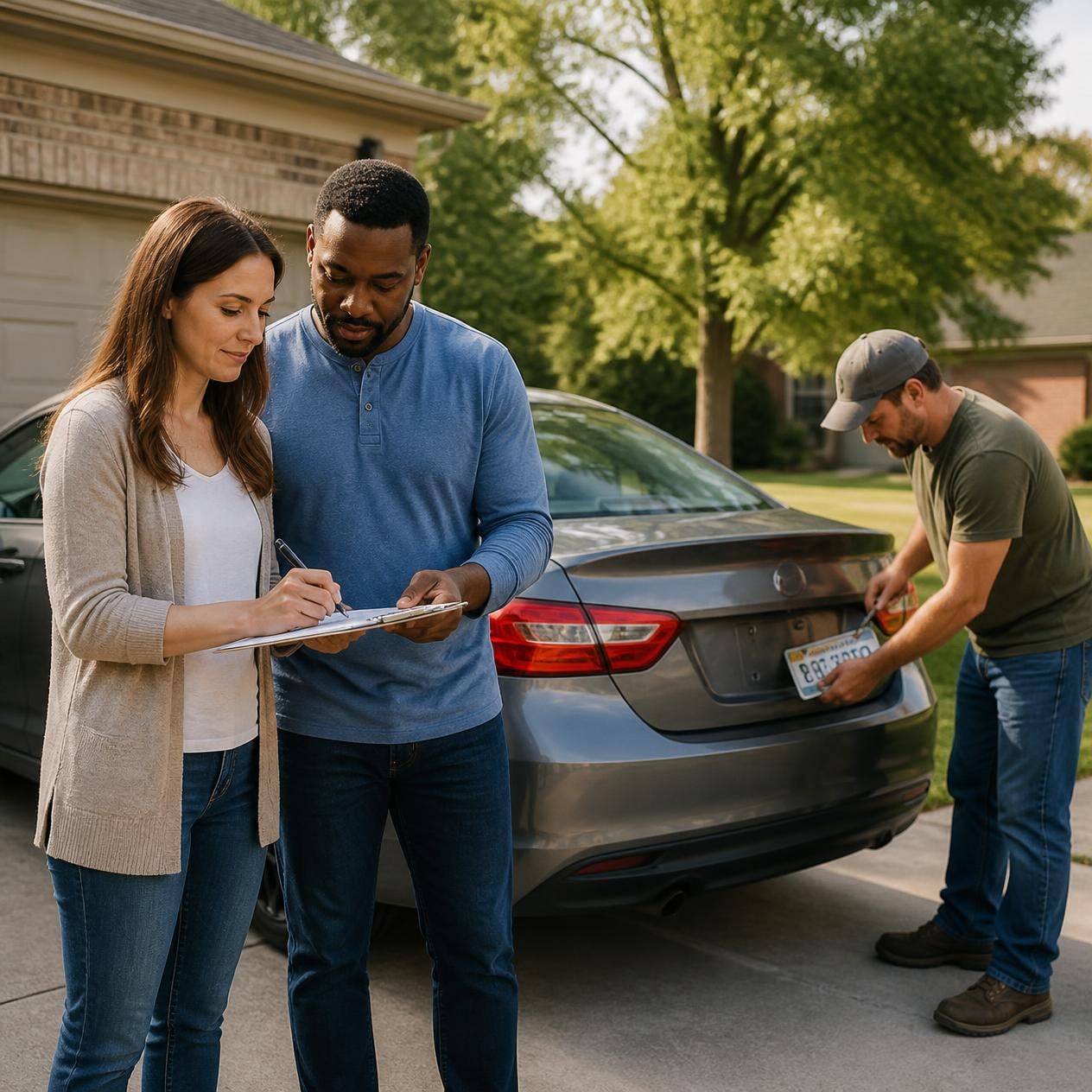
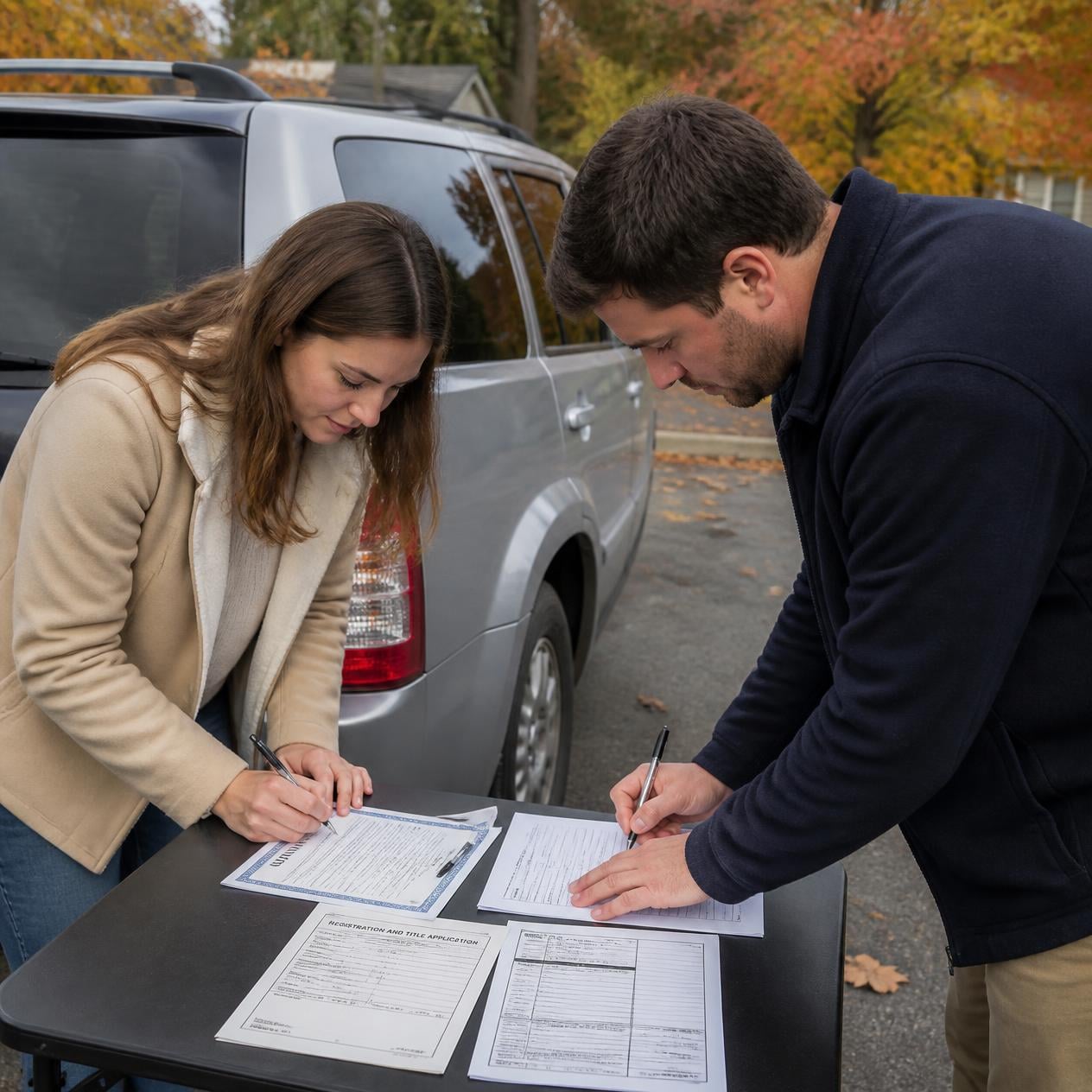
The most crucial step is transferring the title. The seller is required by law to have their signature on the back of the Pennsylvania title notarized. You and the seller need to go together to a notary public, licensed tag agent or PennDOT-approved service center to have this transaction completed.
The agent will verify the identification of both parties and act as a witness to the signatures. This gives you protection because it validates that the seller is the rightful owner of the car being sold. Once the proper title transfer has taken place, the agent will assist you in filling out the necessary paperwork for your new title, registration and license plates. In most cases, the agent will provide you with a temporary tag that allows you to drive your new vehicle home legally.

What Does it Take to Protect Yourself During a Purchase?
Once you have read through all the documentation, inspected the vehicle and decided to buy it, the last part of this process is when you will take possession of the vehicle.
Select a Safe Meeting Place – Always choose an area that has easy access to public areas. A good area would be where the Notary Public or Title Agent are located to complete the transfer of the vehicle title to your name. Banks also provide security for cash transactions.
Use a Certified Check from Your Bank – Rather than bringing cash in large amounts to complete your purchase, you should ask your bank for a certified check. There are many other payment methods but they may not provide the level of security you need to complete your purchase.
Liens Verification - Before giving the seller your money, you should check to see if there are any liens on the title from banks, credit unions, etc. The seller will need to request a "lien release" letter from these areas before you can complete the transfer of the vehicle title into your name.
Look for a Used Car Today!
Purchasing a used vehicle from an individual seller in Pennsylvania is a terrific way to acquire an excellent automobile for an excellent price. By utilizing a trusted marketplace and performing a detailed inspection as well as ensuring proper documentation when purchasing, you will have all the information you need to make a well-informed decision.
You will know where to locate a deal on a vehicle and how to avoid many of the common mistakes made when purchasing a used car. There is a car waiting for you and your next car is available in your neighbourhood. Start searching private sellers with used cars in Pennsylvania and you will be one step closer to driving your new vehicle.