

Bill of Sale Aug 31, 2026
Are you looking for a car in Massachusetts? Buying a used car directly from the owner can be a smart move. Not only can you save a significant amount of money compared to dealership prices, but you also get a more personal and direct purchasing experience. This guide will walk you through everything you need to know about buying used cars for sale by owner in Massachusetts, preparing you for every step of your journey.
Why Use KarKiosk to Find Used Cars for Sale by Owner?
Finding the right private seller can feel like searching for a needle in a haystack. KarKiosk simplifies your car-buying process by connecting you with the best private car listings in your area. Here are a few reasons why KarKiosk is the top choice for buyers in Massachusetts.
Broad Listings: We offer a wide variety of used cars from private sellers. You can easily compare different makes and models to find the perfect vehicle that fits your needs and budget.
Transparency: Trust is key in any transaction. KarKiosk vets listings to ensure transparency and build a reliable bridge between buyers and private sellers.
Proximity: Find vehicles that are conveniently located near you in Massachusetts. This focus on local listings saves you valuable time and travel costs.
Resources: We provide buyers with essential tools like vehicle history reports and key inspection checks to help you make an informed decision as you move forward.
Private Seller vs. Dealer: Which is Better?
When you're searching for used cars for sale in Massachusetts, you'll face a choice between private sellers and traditional dealerships. Many buyers are now leaning toward private sellers. Here’s a breakdown of the pros and cons to help you decide.
Feature | Private Sellers | Dealerships |
Cost | Generally lower prices with no dealer markups or hidden fees. | Higher prices due to overhead, prep fees, and profit margins. |
Negotiation | More flexibility. You deal directly with the owner, allowing for more personal and often better price negotiation. | Less wiggle room. Negotiations follow a structured process, often with set price floors. |
Process | A more personal and direct interaction with the car's owner. | A formal, and sometimes impersonal, process involving salespeople and finance managers. |
Vehicle History | The owner can often provide a detailed, firsthand account of the car's history and maintenance. | History is based on records, which might not tell the whole story. |
Warranties | Cars are typically sold "as-is" with no warranty. | Often offer certified pre-owned programs and limited warranties, providing some protection. |
Financing | You must secure your own financing through a bank or credit union before the purchase. | Offer in-house financing options, which can be convenient but may have higher interest rates. |
Documents Needed for a Private Car Sale in Massachusetts
When you buy a car from a private seller in Massachusetts, preparing the right documents is crucial to ensure the transaction is legal and smooth. Here is what you will need:
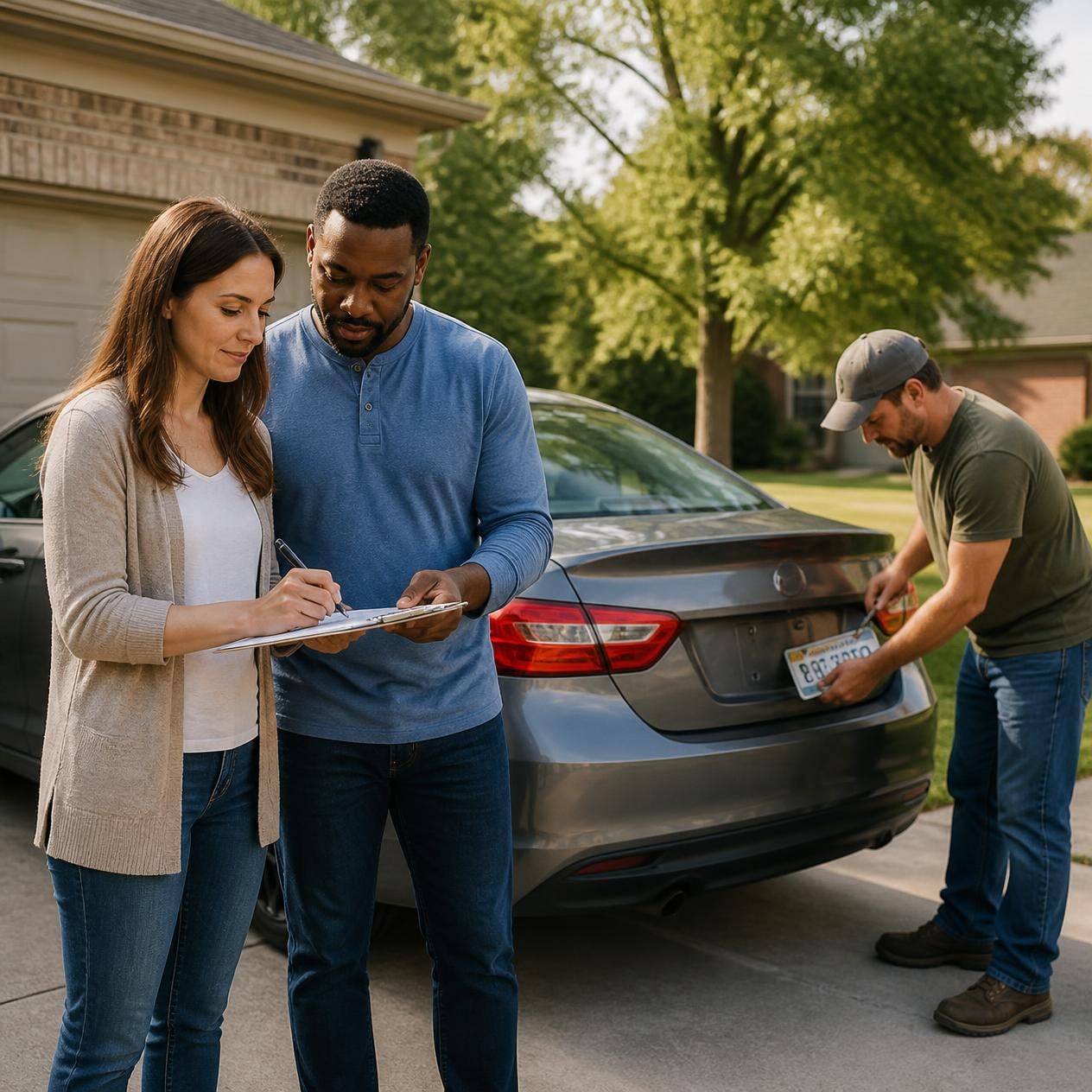
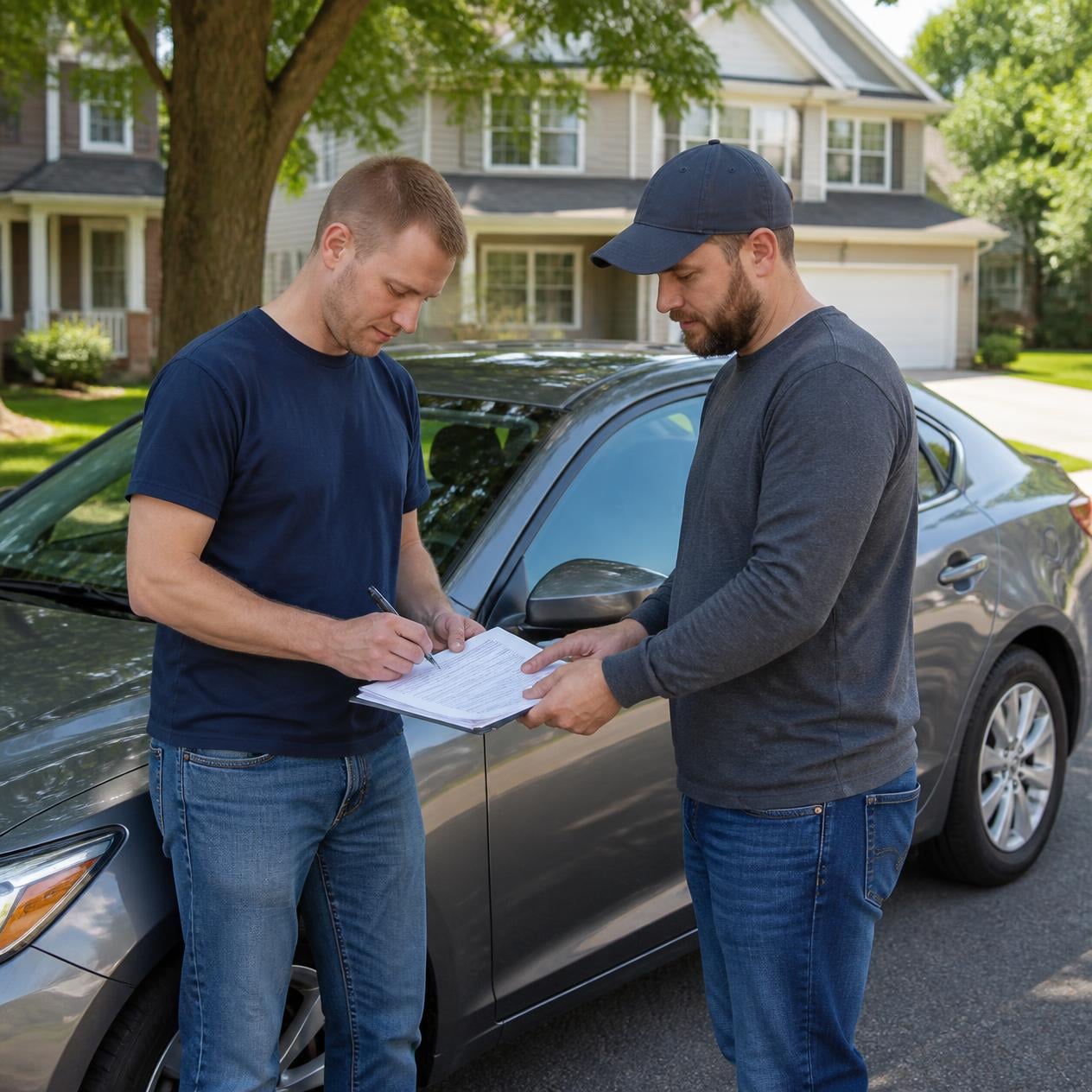
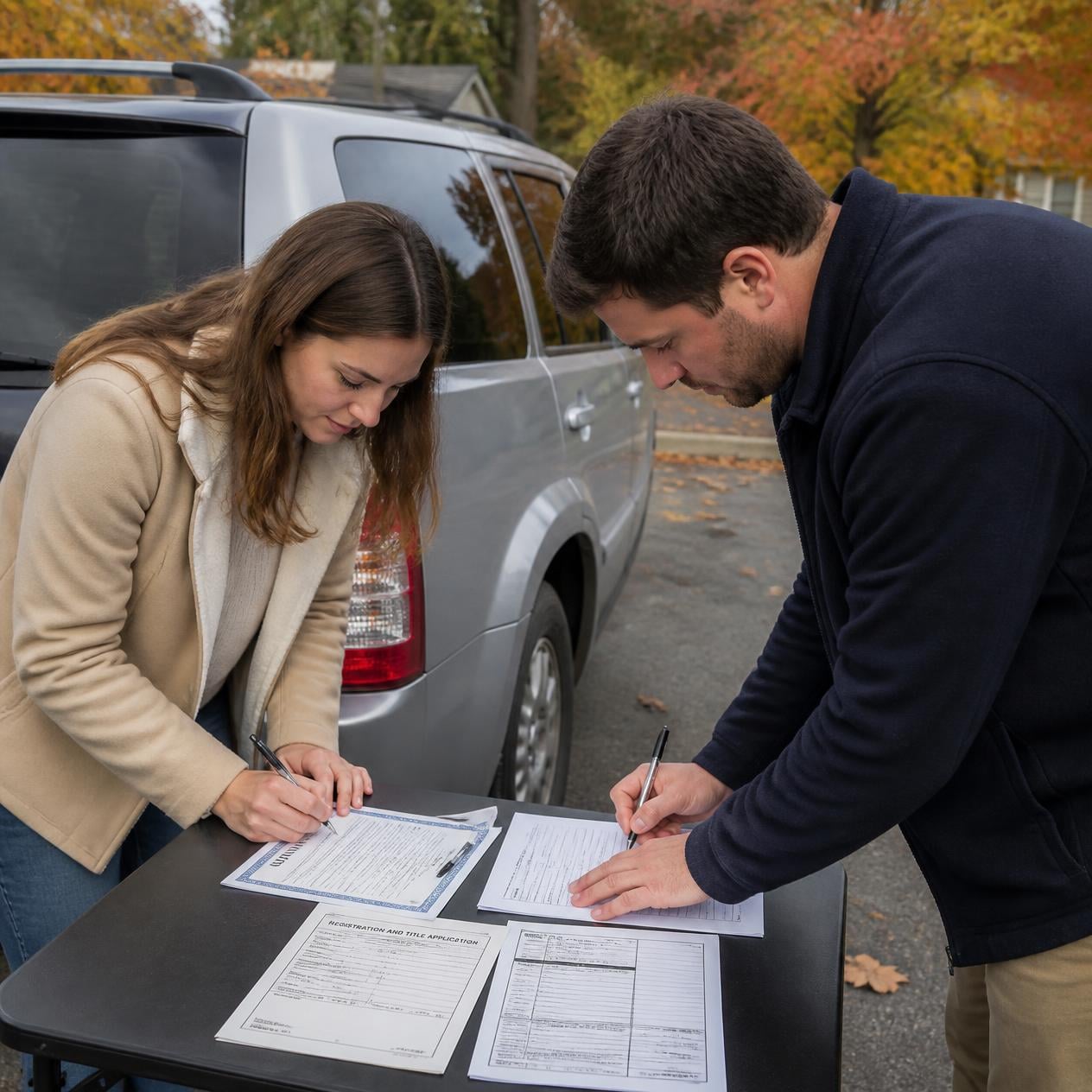
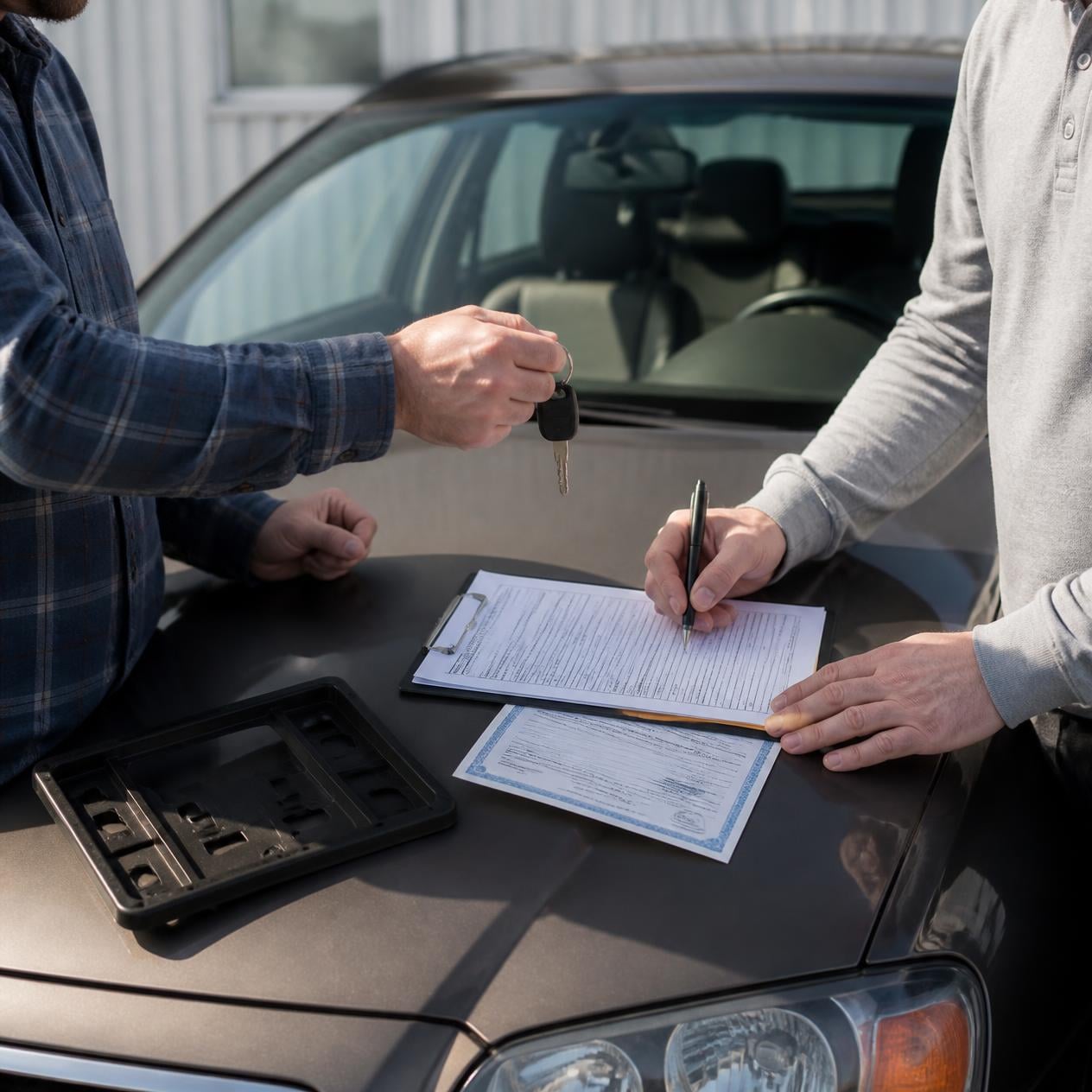
Bill of Sale: This document records the transaction details, including vehicle information, the agreed-upon price, and the date of sale.
Certificate of Title: The seller must provide you with the vehicle’s title, signed over to you. The title is your proof of legal ownership. Ensure there are no liens listed on it before you complete the purchase.
Valid ID: Both the buyer and the seller should have a valid, government-issued photo ID ready for the transaction.
Odometer Disclosure Statement: This statement, which is usually part of the title transfer process, records the vehicle's mileage at the time of sale.
Proof of Insurance: Before you can register your newly purchased car with the Massachusetts Registry of Motor Vehicles (RMV), you will need to provide proof of active auto insurance.
How to Inspect a Car Before You Buy
It is always a good idea to perform a thorough inspection before purchasing a car from a private seller. Follow these tips to feel confident you are making a solid investment.
Exterior Inspection: Look for visible rust, large dents, and inconsistent paint, which could indicate poor maintenance or past accident repairs.
Interior Inspection: Check for excessive wear and tear on the seats and steering wheel, listen for strange odors, and test all electronics, including the air conditioning, power windows, and sound system.
Engine and Transmission: Open the hood and check for obvious fluid leaks or unusual noises while the engine is running. During a test drive, pay attention to how the vehicle feels and sounds when shifting gears.
Tire Condition: Inspect the tire tread for wear. Uneven wear patterns can indicate alignment or suspension problems.
If you are not comfortable conducting your own inspection, consider hiring a licensed mechanic to give you a professional opinion.
Safety Tips for Your Purchase
Buying online can be convenient, but it requires extra precautions to ensure your safety.
Meet in a Public Place: Always arrange to meet the seller in a safe, well-lit, and populated area. The parking lot of a police station or a busy grocery store are great options.
Bring a Friend: Never go to meet a seller alone. Having someone with you adds a layer of security.
Verify Seller's Information: Ask to see the seller's ID and confirm that the name matches the one on the vehicle's title and registration documents.
Use Secure Payment: Avoid carrying large amounts of cash. Use a secure payment method like a cashier's check or a wire transfer, which provides a safe, traceable record for both you and the seller.
Get a Vehicle History Report for Peace of Mind
Before you finalize any purchase, insist on getting a vehicle history report. This report provides critical details about the car’s past. Here is what to look for:
Accident History: See if the car has been in any significant accidents and the extent of the reported damage.
Service History: A good service record indicates regular maintenance. Look for red flags like missed service intervals or unrepaired recalls.
Ownership History: Check the number of previous owners. A car that has been used as a rental or commercial vehicle may have more wear and tear.
Title Issues: The report will reveal if the vehicle has a salvage, flood-damaged, or rebuilt title, which can seriously affect its value and your ability to register it.
You can get reliable vehicle history reports from reputable providers like CARFAX or AutoCheck.
Start Your Search Today
Buying a used car from an owner in Massachusetts is a smart way to land a great deal and have more flexibility in your choice. By reviewing all the required documents, conducting a thorough inspection, and using a trusted platform like KarKiosk, you can find a reliable vehicle.
When you prepare and align yourself with the right resources, the perfect car might be just a click away.
Frequently Asked Questions (FAQs)
1. What is the most important document when buying a car from a private seller in MA?
The most important document is the Certificate of Title. The seller must legally sign it over to you, as this is your proof of ownership. Make sure it's free of any liens before you buy.
2. Can I negotiate the price with a private seller?
Yes, absolutely. One of the biggest advantages of buying from a private seller is the ability to negotiate the price directly. Do your research on the car's market value to make a fair offer.
3. Do I need insurance before I buy the car?
Yes. In Massachusetts, you must have proof of insurance before you can register the vehicle in your name at the RMV. You should arrange for coverage to begin on the day you plan to purchase the car.
4. What's the safest way to pay a private seller?
The safest method is a cashier's check from your bank. It's a secure, verifiable form of payment that protects both you and the seller. Avoid carrying large sums of cash.
5. Should I buy a car that has a "salvage" title?
It's generally not recommended. A salvage title means the car was declared a total loss by an insurance company. While it may have been repaired, it could have underlying structural or mechanical issues and can be difficult to insure and resell.