

Bill of Sale Aug 31, 2026
Buying a used car from a private seller can feel like a big risk, but it often leads to the most rewarding and cost-effective purchase. If you navigate the process with the right tools and mindset, you can score an amazing deal. This guide will walk you through the benefits, help you find the right vehicle, and ensure a safe and successful transaction in California.
The Advantages of Buying from a Private Owner
Choosing to buy a car directly from its owner instead of a dealership comes with several significant benefits. You gain more control over the process and often find better value for your money.
Pros | Cons |
Lower Prices | No dealer fees or commission markups. |
Negotiation Flexibility | Private sellers are often more open to negotiation. |
Information Transparency | Owners provide firsthand details on vehicle history and use. |
Personalized Experience | A more direct and straightforward transaction. |
No Surprise Fees | Focus on the vehicle's price without hidden charges. |
Wider Selection | Access everything from daily drivers to luxury models. |
How to Find the Perfect Used Car for You
Before you start your search, it’s essential to know what you’re looking for. A clear plan will make the process much smoother.
1. Set Your Budget
Your budget is more than just the car's price tag. Remember to account for other costs like insurance, registration, and potential maintenance or repairs. Knowing what you can comfortably afford will prevent future financial stress.
2. Identify Your Needs
Think about what matters most to you in a vehicle. Is it fuel economy for your daily commute? Advanced safety ratings for peace of mind? Or do you need ample space for your family? List your top priorities to narrow your search.
3. Search Locally
Keep your search within a manageable distance to make inspections and the final transaction easier. Use specific search terms like "cars for sale by owner in California" to find local listings.
4. Narrow Your Options
Once you have a few promising leads, it's time to get critical. Eliminate any cars that don’t meet your criteria for budget, mileage, or overall condition. This helps you focus your energy on the best potential vehicles.
The Smart Way to Inspect a Used Car
When you find a car that looks promising, a thorough inspection is crucial. You don't need to be a mechanic to spot potential red flags.

Walk Around the Vehicle
Start with a visual overview. Look for dents, rust spots, significant scratches, or mismatched paint, which could indicate a past accident.
Examine the Interior
Check the condition of the upholstery for excessive wear and tear. Test the electronics, including the radio, windows, and air conditioning. A clean and well-maintained interior often reflects a well-cared-for car.
Look Under the Hood
Open the hood and look for signs of leaks, corrosion, or frayed belts. Even an untrained eye can often spot something that seems out of place or damaged.
Take It for a Test Drive
A test drive is non-negotiable. Pay attention to how the car accelerates, brakes, and steers. Listen for any unusual noises and see how it feels to drive on different types of roads.
Consider a Professional Inspection
For ultimate peace of mind, hire a trusted mechanic to perform a pre-purchase inspection. The small upfront cost can save you from thousands of dollars in unexpected repairs down the line.
Staying Safe During Your Transaction
Safety should be your top priority when meeting a private seller.
Meet in a Public Place: Choose a well-lit, busy location like a coffee shop parking lot or even near a local DMV.
Verify the Seller's Identity: Ask to see the seller’s ID and make sure the name matches the one on the vehicle’s title.
Use Secure Payments: Avoid carrying large amounts of cash. Opt for a cashier’s check or a secure bank transfer to create a paper trail.
Bring a Friend: Having someone with you provides an extra layer of safety and a second opinion during the inspection.
Essential Documents for a California Car Purchase
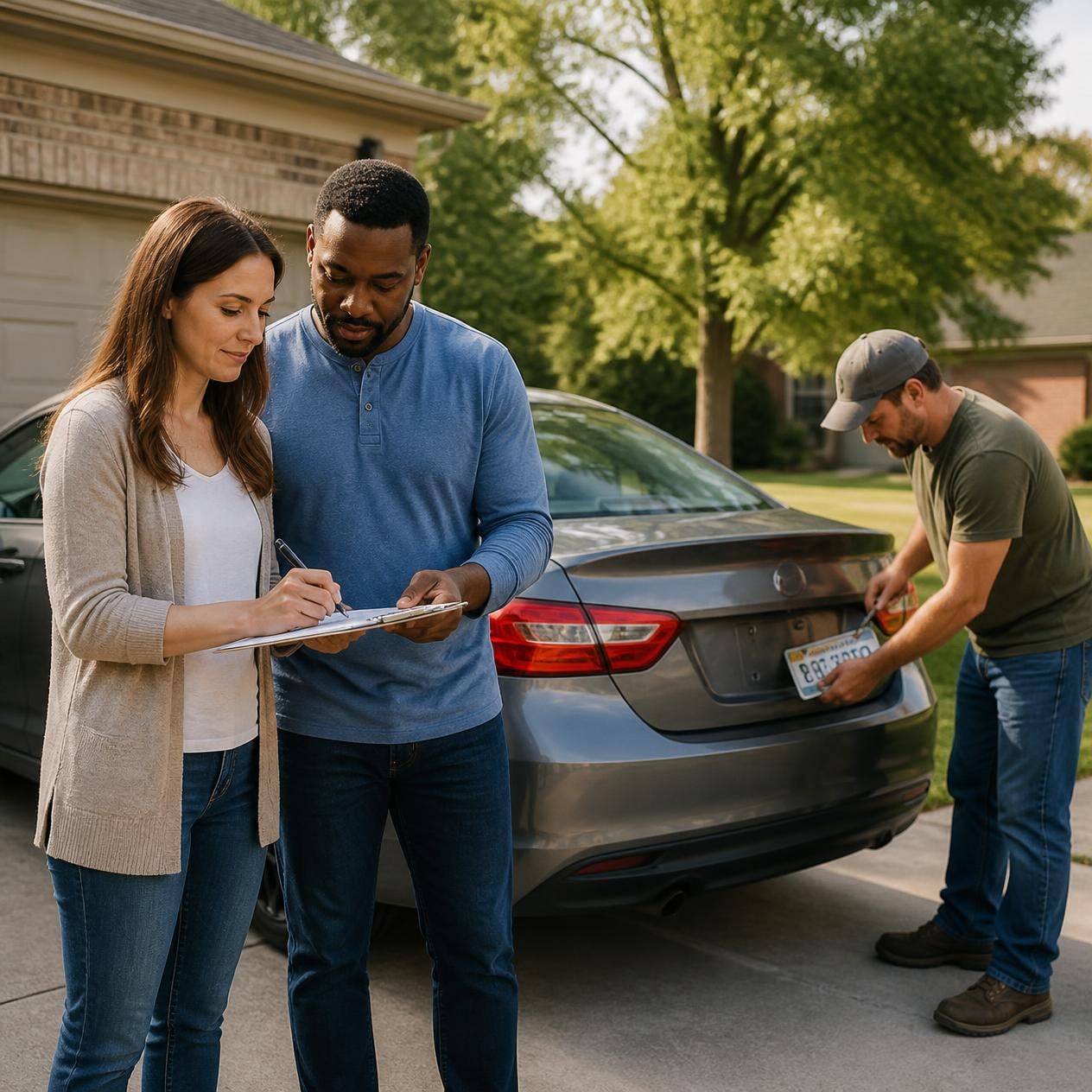
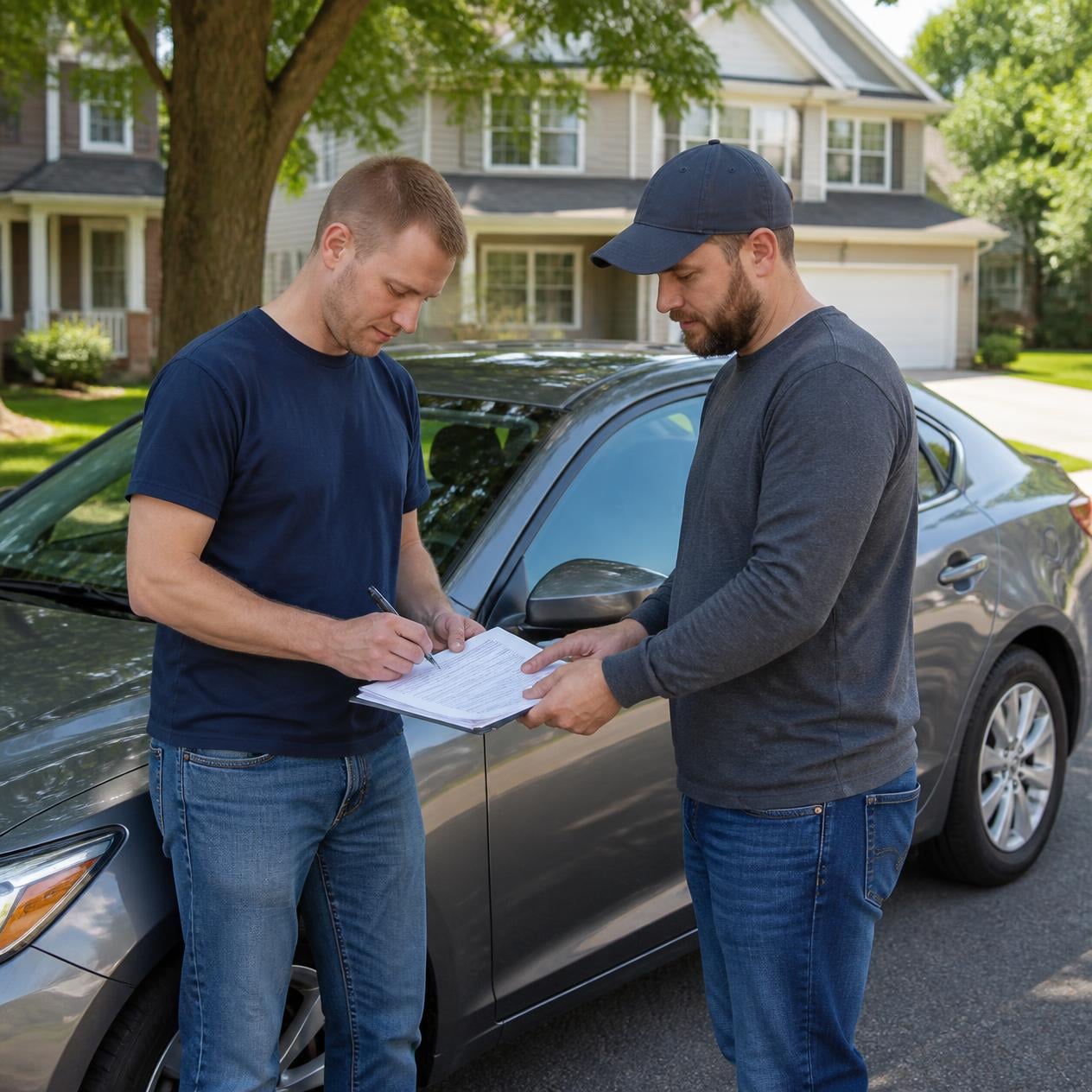
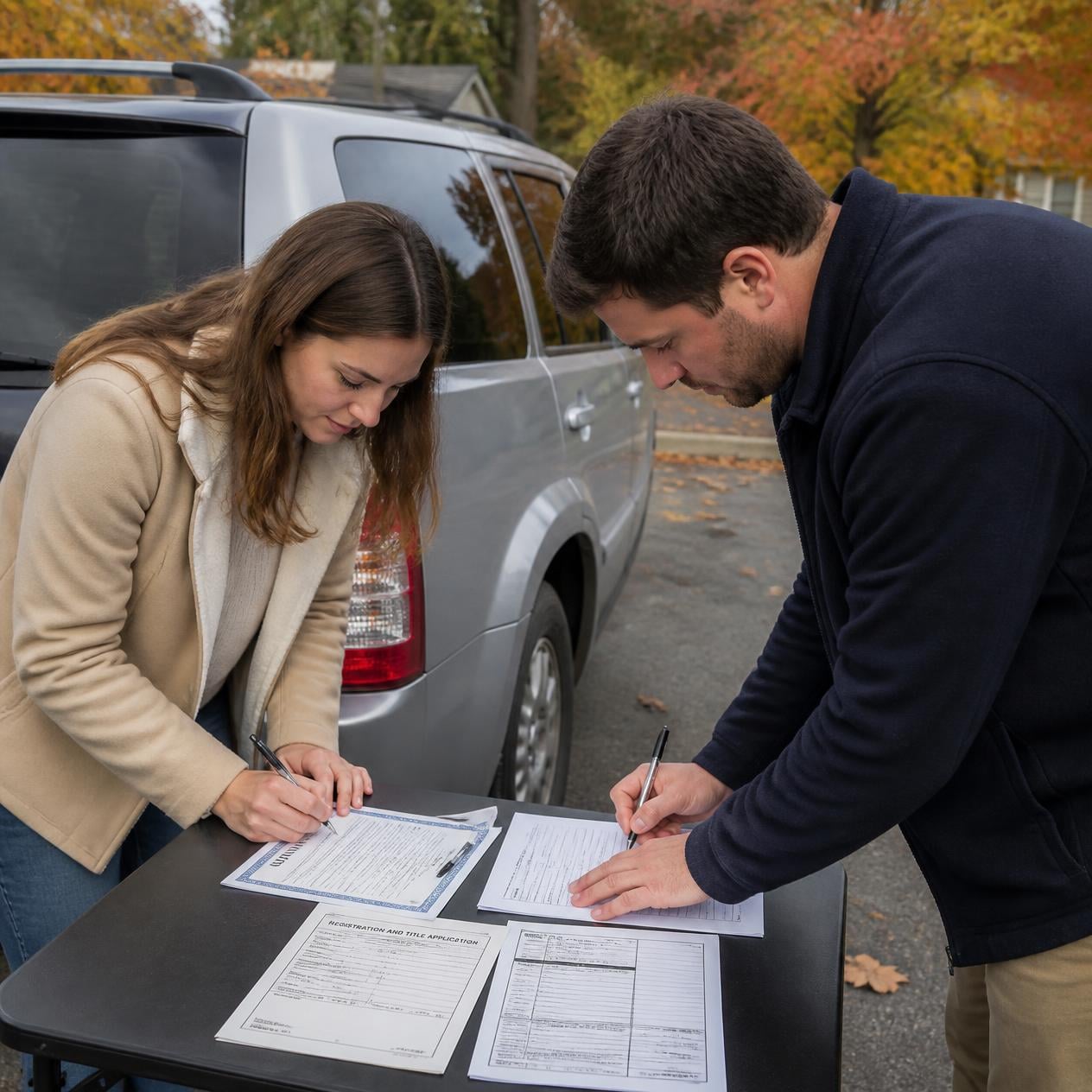
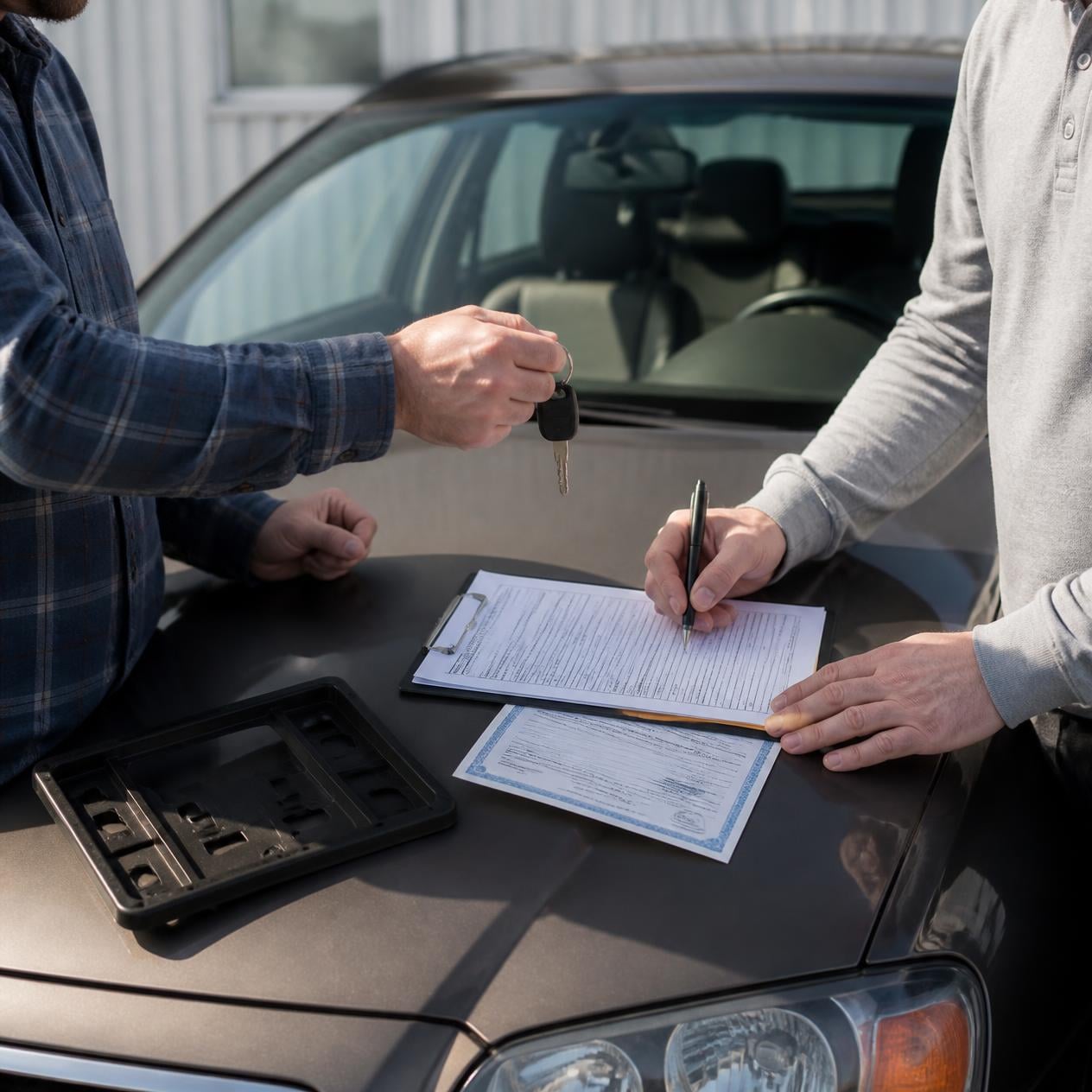
Handling the paperwork correctly is a critical step in making the car legally yours. Make sure you have the following documents in order.
Bill of Sale: This document should include the vehicle's details, the purchase price, and the signatures of both the buyer and seller.
Certificate of Title: The seller must sign the title over to you. Ensure the odometer reading is filled out correctly and that there are no liens listed.
Smog Certificate: In California, the seller is responsible for providing a valid smog certificate for most vehicles over four years old.
Vehicle Transfer and Reassignment Form (REG 262): This form is part of the title transfer process at the DMV.
Once all the documents are complete, you can visit a local DMV office to officially register the vehicle in your name.
Begin Your Search with Confidence
Finding the right privately sold used car doesn't have to be a stressful experience. By taking your time, performing a thorough review, and prioritizing safety, you can find a quality vehicle at a great price. Your perfect car is out there waiting for you.
Frequently Asked Questions (FAQs)
1. Does the seller or buyer handle the smog check in California?
In California, the seller is legally responsible for providing the buyer with a valid smog certificate at the time of the sale for most vehicles.
2. What is the safest way to pay a private seller for a car?
The safest payment methods are those that are traceable, such as a cashier's check or a secure electronic bank transfer. Avoid large cash transactions.
3. Can I negotiate the price with a private car seller?
Yes, most private sellers are open to negotiation. Having done your research on the car's market value and pointing out any issues found during an inspection can give you leverage.
4. How important is a vehicle history report?
A vehicle history report from a service like CARFAX or AutoCheck is crucial. It provides vital information about past accidents, ownership history, and potential odometer discrepancies that the seller might not disclose.
5. What should I do if the seller's name doesn't match the name on the title?
This is a major red flag. Do not proceed with the purchase. The person selling the car must be the legal owner listed on the title to transfer ownership correctly.