

Bill of Sale Aug 31, 2026
Purchasing a vehicle is a major commitment financially, and for many individuals; it may be one of your top three purchases this year. If you live in Omaha and need a vehicle for commuting, or you live in Kearney and are searching for a dependable pickup truck for your farm, visiting a local dealership can be very overwhelming; from the dealer markup to paying sales commissions to those hidden document fees, it is easy for your budget to be blown, in a hurry.
However, there is an alternative option.
The secret that local Nebraska residents who know to find the best financed vehicles is that it is not at the big dealerships, with their flag waving, inflatable men; it is at private sellers in their local driveways, garages, and online classified ads. Purchasing your next vehicle as a used vehicle from a private seller offers buyers the opportunity to save thousands of dollars on their vehicle purchase.
Buying from a private seller can be a little more involved process than that of purchasing from a dealership, however, it does require additional effort from the buyer to understand how to facilitate title transfer, the precise documents the county treasurer needs for title transfer, and how to spot a "lemon," before you pay for it.
This is a detailed guide that will outline all of the information you need to know regarding how to buy a vehicle from a private seller, in the state of Nebraska.
Nebraska is Discovering the Private Market
Nebraska is discovering that many consumers are utilizing the private market to purchase their next vehicle instead of purchasing through dealerships. Before we go further into the paperwork let's explore what is driving consumers toward this solution and not simply because they do not want the pressure of an aggressive salesperson.
1. Pricing Benefits
Private sellers have less overhead than dealerships; therefore, their expenses are less than dealerships. Dealerships must pay for storage for their inventory, pay for utilities (electricity for the dealership lot), pay for employees, and pay to advertise their vehicles.
Thus, most private sellers list their vehicles at considerably lower prices than what a dealership would list the same make/model vehicle at. When you purchase from someone in your community (such as a neighbor or friend) you are paying for the vehicle, not the overhead costs.
2. No Unexpected Fees
This is one of the most frustrating aspects of purchasing a vehicle for many car shoppers. After negotiating a price with a dealership, when it comes time to sign the purchase documents, they are often charged add-on fees ($500 or $1,000 in processing fees or documentation fees).
When you purchase a vehicle privately, the price that you negotiated is the price you pay, and there are no additional fees for floor mats or unwanted warranties.
3. Improved Power to Negotiate
Unlike a dealership, where the seller may have many reasons to sell a car (such as making room for the arrival), most private sellers have a personal reason for selling; e.g., they may be relocating, or may be acquiring another vehicle, and thus have to make room for the arrival of their new vehicle.
Additionally, private sellers generally do not have sales managers pushing them to sell cars at a certain price; therefore, you will have a greater ability to negotiate with the seller a price that works for both of you.

The Steps to Completing the Nebraska Private Sale Process
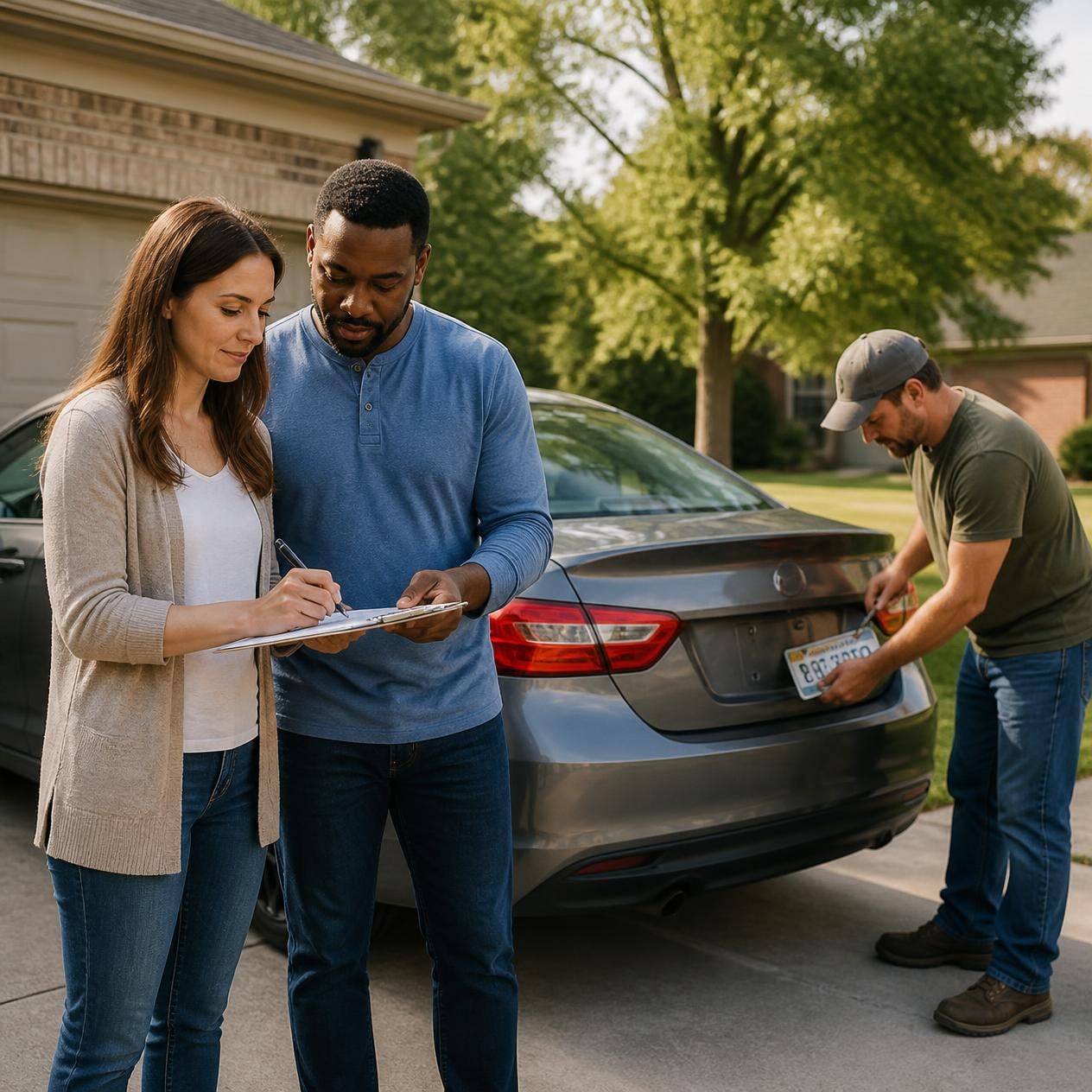
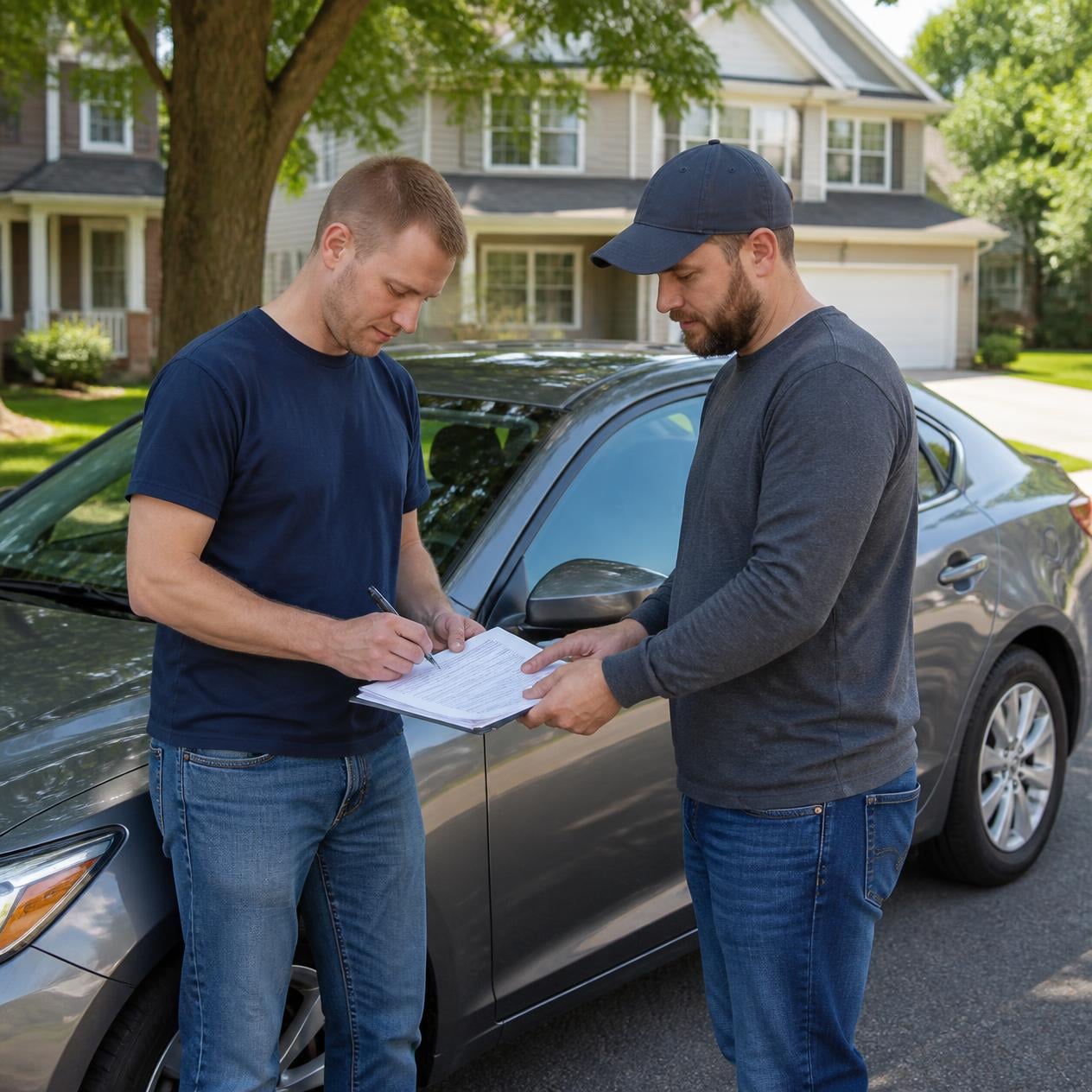
Purchasing a vehicle privately is quite different from purchasing from a dealer, therefore, you will be the project manager on the transaction. Below are the steps you must take to ensure your purchase is successful.
Step 1: The Search
Begin by searching through local listings. You can search through all types of searching, including searching for Vehicles in cities such as Bellevue and Grand Island, as well as searching through smaller towns, such as Stratton or Pierce. Searching broadly is a good idea, since you never know what you might find! You are looking for good-quality photographs and a well-written description of the vehicle you are interested in.
After selecting a car you like, be sure to check for the information that is most important:
Mileage - Does the mileage appear to match the age of your vehicle?
Condition - Are the exterior of your vehicle in good shape (i.e. Are they rust-free)?
Ownership - Do you have proof the car has been owned by the seller?
Step 2: Contacting and Investigating
Once you’ve identified a potential candidate, contact the seller directly. Before going to see it, ask some preliminary questions, including: Why are you selling the vehicle? How long have you owned the vehicle? Are there any known mechanical issues?
When you meet to take a test drive:
Find a Safe Location: Choose a public place with a lot of people around, ideally during the daytime.
Observe the Cold Start: Request that the seller not start the vehicle until you arrive. You must evaluate how the engine starts from a cold state, since this will give you clues to any potential hidden problems.
Listen to the Vehicle: Turn off the radio and pay attention to any noises coming from the vehicle, e.g. rattling, squeaking, etc.
Step 3: Inspection
Nebraska does not require an inspection of a vehicle before it may be sold with a Nebraska title; however, that does not prevent you from having an inspection of the vehicle performed. If you are not a mechanical expert, then it is suggested that you first have the vehicle you are considering purchasing inspected by a local mechanic.
The cost for an inspection will probably be around $100; however, the cost of the inspection may very well save you from a $10,000 purchase. An inspector can find trouble spots in the vehicle such as oil drips, transmission failures, and structural damage that would otherwise be hard for you to be able to identify.
Step 4: History Check
Don't buy a car on faith; use a service to obtain a vehicle history report. The report gives you important information about the vehicle; things such as:
Whether the car has been in a serious accident.
Whether the odometer has been reset.
If it has Salvage / Rebuilt status (these vehicles are worth much less).
Maintenance history.

Nebraska DMV Documentation Overview
Buyers tend to get anxious about the steps involved, but there should be no stress because this is a fairly straightforward process in Nebraska - as long as you have your prepared checklist.
Certificate of Title
First and foremost is the Certificate of Title: Without a Certificate of Title, you do not legally own the vehicle.
To complete the assignment of title properly:
Seller's Signature: The seller must sign their name in the "Assignment of Title" section on the back of the certificate.
Buyer's Signature: The buyer will also need to sign his or her name in this section.
Notarization: Generally speaking, unless it is specifically stated on the title document itself (which is common with older certificates), the Nebraska DMV does not require the signature of the seller to be notarized when transferring ownership of a vehicle.
Name Match: Make absolutely certain that the signature of the seller matches precisely the name printed on the front of the Certificate of Title.
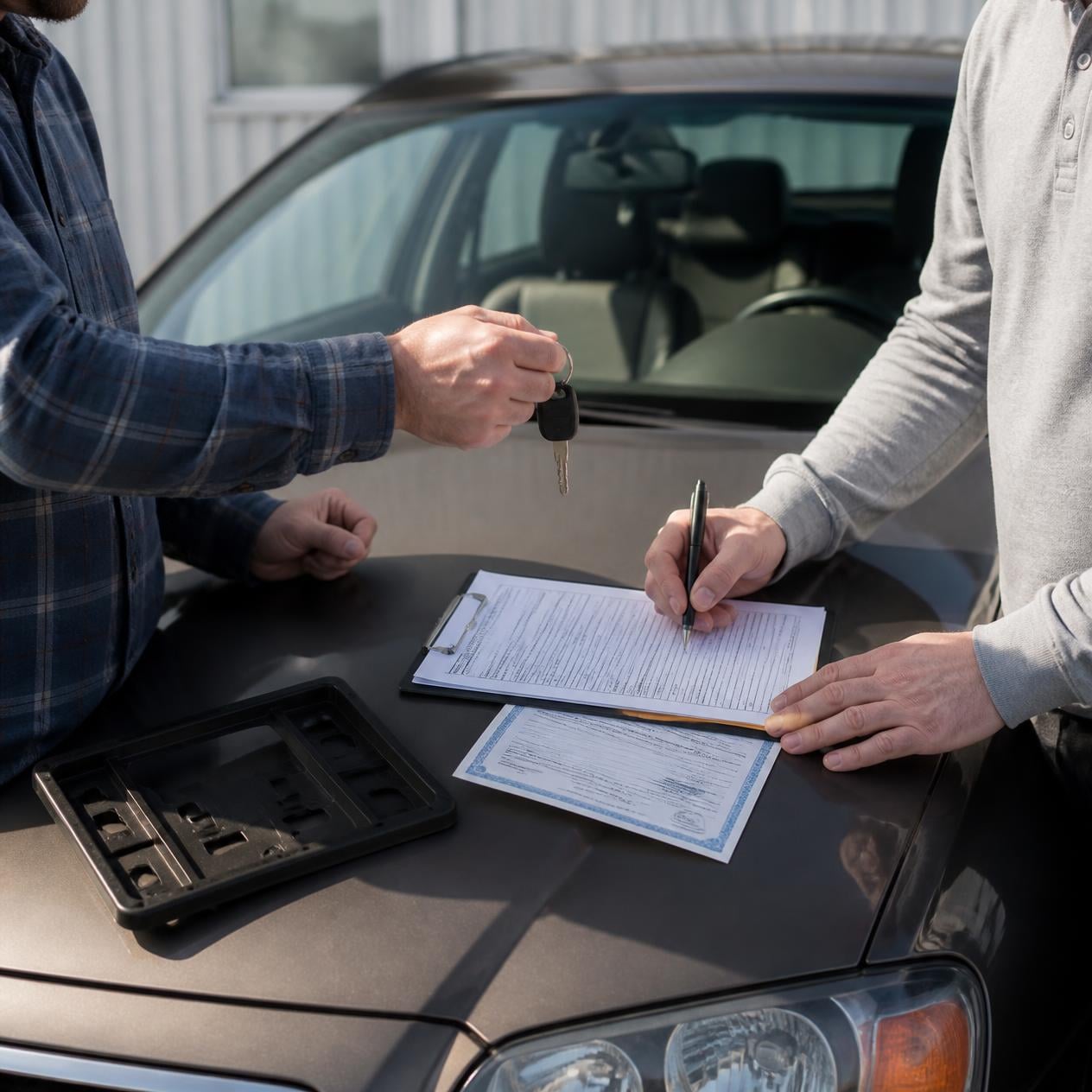
The Bill of Sale
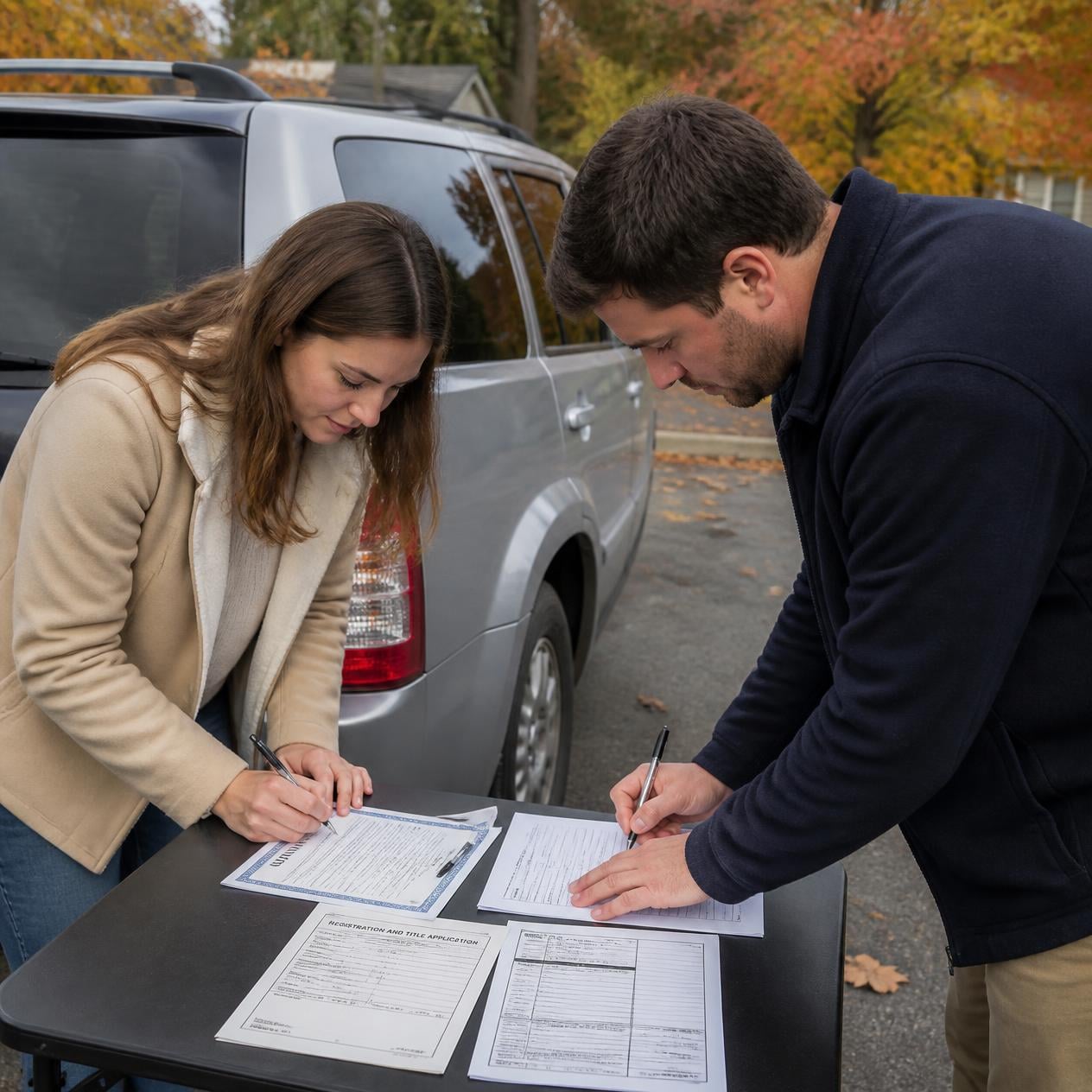
A Bill of Sale must be provided in order to register your vehicle in Nebraska. The County Treasurer calculates the amount of sales tax due based on the information provided in the Bill of Sale.
Include: The bill of sale must list the sale date & name(s) of both the seller & buyer(s). In addition, the bill of sale must indicate the vehicle's Year, Make, Model, and VIN along with the total sale price.
Signature: It is necessary for both parties (the buyer & seller) to sign the bill of sale before it becomes the finalWord.
Odometer Disclosure
As of a recent change to the Federal regulations regarding odometer disclosures, vehicles under 20 years old must have the odometer reading noted on the Title Assignment. This prevents odometer tampering.
Lien Release
Refer to the front of the Title for the identification of a bank or credit union listed as the lienholder. If this is the case, the seller must provide a Lien Release, usually containing a separate document or a "Paid" stamp affixed on the title and signed by the lender. If the lien is active, the County Treasurer cannot issue the title in your name.
Financial Consideration: Fees and Taxes
When purchasing a vehicle from a dealership, the dealership will usually take care of the collection of sales tax. If you purchase a vehicle privately, however, it is your responsibility to pay the sales tax.
Sales tax is not paid to the seller; rather it is paid directly to your county's treasurer at the time of registration of the vehicle.
Sales Tax: The amount of sales tax that will be added upon the sale of a vehicle is based on the county in which you, the buyer, live (the county in which the vehicle is registered) and not on where the vehicle was purchased.
Title Fee: The approximate cost of the title transfer will be $10.
Registration Fees: Registration fees will vary depending on the age, value and weight of the vehicle.
Sheriff's Inspection Fee: An approximate cost of $10 will be charged for the Sheriff’s inspection of out-of-state title transfers.

Buying an Out-of-State Vehicle
Was there ever an amazing automobile deal that you discovered outside of Nebraska, such as in Iowa (Council Bluffs) or Colorado? If you find yourself in this situation, keep in mind that you will need to complete an additional step if the vehicle title is from another state.
As a prerequisite for obtaining a Nebraska title, you must complete the Vehicle inspector process through your County Sheriff. This process does not focus on safety inspections but rather provides VIN verification to verify the ownership of the vehicle in question. To complete this verification, you will be required to bring the car and the out-of-state title to an approved vehicle inspector station (like the Sheriff's office) with payment for the inspection fee.
Pros and Cons of Private Vehicle Sales
If you are unsure about whether to move forward with a private vehicle sale, here are a few points that may help you decide.
Pros | Cons |
Lower Cost: No dealership markup or overhead costs included in the price. | More Legwork: You handle the research, inspection, and DMV paperwork yourself. |
No Hidden Fees: You won't be hit with unexpected "doc fees" or administrative charges. | No Warranty: Most private sales are "As-Is," meaning once you buy it, repairs are on you. |
Direct History: You can talk to the actual owner about how the car was driven and maintained. | Financing Difficulty: It can be slightly harder to get a car loan for a private sale compared to dealer financing. |
Negotiation: Private sellers are often more willing to haggle on the price. | Safety Risks: Meeting strangers requires caution; always meet in public safe zones. |
Checklist of Essential Documents for Nebraska Buyers
Make sure you have everything you need before going to the County Treasurer's Office; if not, you'll need to come back again.
Document Name | Purpose | Who Provides It? |
Signed Title | Proof of ownership transfer. | Seller |
Bill of Sale | Used to calculate sales tax. | Seller/Buyer |
Form RV-707 | Application for Certificate of Title. | You fill this out |
Proof of Insurance | Required to register the car. | You (Buyer) |
Lien Release | Proof the car is paid off (if applicable). | Seller/Bank |
Inspection Cert. | Only for out-of-state titles (Sheriff check). | County Sheriff |
Purchasing Within Nebraska, How to Stay Safe
While there are many honest people in the state, there are still plenty of scammers out there as well.
Verify the Seller: Request to view the seller's driver's license and confirm that it matches the name on the title. If the seller claims that they are selling the vehicle on behalf of their "friend/cousin/etc.," seek out another option as that is a common ruse of curbstoners (unlicensed dealers selling poor quality vehicles).
No Third Party Escrow Services: If a seller requests that you transfer funds through a third party "Escrow service," this is an indication of a scam.
Don't Wire Funds to a Seller Prior to Viewing the Vehicle: Never wire funds or provide a deposit until after viewing and inspecting the vehicle along with verifying the documentation.
You Have 30 Days to Register the Vehicle: After purchasing, you have 30 days to complete the title transfer and vehicle registration. Failure to do so may result in late fees and/or penalties.
Closing Thoughts: Leaving with a New Car
Purchasing a pre-owned automobile from an individual in Nebraska can be an enjoyable experience if you're prepared and informed. By eliminating the Dealer as the "middle man," you will retain both your time and cash for yourself. This experience can be stress-free, no matter if you're in Lincoln or Omaha or even in a remote area.
Keep these 4 essential rules in mind: check the vehicle, confirm ownership documentation, request a Bill of Sale, and file and pay taxes with the County Treasurer. With all of this completed, go out today and discover your future vehicle!