

Bill of Sale Aug 31, 2026
If you’re trying to sell your car privately in Missouri, it can feel like you are trying to get through a maze blindfolded. It may not have to be a headache though, just think of it as having a map. You can make more of a profit when selling your car privately rather than just taking your vehicle into a dealership for trade-in value.
The rules for selling your car privately in Missouri don’t change no matter where you are located within the state (whether it be St. Louis, Kansas City or in rural parts of the Ozarks) but the strategy of how to sell a car privately is what distinguishes yourself from other sellers. This guide will provide you with a roadmap for successfully completing the private sale process in Missouri from start to finish. Most importantly, this guide will help ensure that you receive a fair price for your vehicle.
Why Sell Privately in Missouri?
When you trade-in your vehicle the convenience of selling to a dealer is offset by the commission or profit that you give up to the dealer for facilitating the transaction. By selling your vehicle privately, you eliminate the middle man. The used vehicle market is very strong in Missouri, and there are many buyers looking for a reliable means of transportation without markup from a dealership.
By advertising your vehicle for sale directly to potential buyers, you would be fulfilling this need. You also have complete control over determining your asking price, negotiating the selling price, and timing of the sale.
Pros and Cons of Selling Privately
The following will aid you in making the determination of whether or not selling your vehicle privately is the right decision for you:
Pros | Cons |
Higher Profit: You keep 100% of the sale price, often thousands more than a trade-in offer. | More Effort: You handle the cleaning, photos, listing, and meet-ups. |
Control: You set the terms and the final price. | Time-Consuming: It might take weeks to find the right buyer compared to an instant dealer trade-in. |
Negotiation Power: You are dealing directly with the decision-maker (the buyer). | Safety Concerns: You have to meet strangers for test drives. |
No "Upsell" Pressure: You aren't trying to buy a new car at the same time, keeping the transaction simple. | Paperwork: You are responsible for ensuring the title and Bill of Sale are correct. |
Have you ever thought about selling your car? Do you know how to prepare it for sale?
Clean the Vehicle
Doing a deep clean of your vehicle can add hundreds of dollars to the value of your vehicle. A good example of a deep clean would be vacuuming the carpet, cleaning off the dashboard, and washing the outside of the car. If you can afford a few extra bucks, hiring a professional detailer is a good investment.
Fix Small Items
Are any of the headlights burned out? Is the windshield washer fluid empty? Small repairs such as these show a buyer that the vehicle has been taken care of. You do not need to overhaul the engine; however, taking care of simple repairs will help your vehicle sell.
Gather Maintenance Records
If you live in Missouri and are a buyer, you appreciate it when a seller is giving you documents showing that their vehicle has been well maintained. Maintenance records (that show you regularly performed oil changes and had other repairs done) in a folder (displayed) will prove to you that the vehicle was properly maintained by the seller.

Step 2: Gather Paperwork for Selling Your Car
Before proceeding with any transaction, be sure to familiarize yourself with the essential paperwork required when selling an automobile through a private party.
Essential Documents to Sell a Car in Missouri
Document Name | Purpose | Who Needs It? |
Certificate of Title | Proof of ownership. You must sign the back to transfer it. | Seller provides to Buyer. |
Safety Inspection Certificate | Shows the car is safe to drive. Must be less than 60 days old. | Seller provides (unless exempt). |
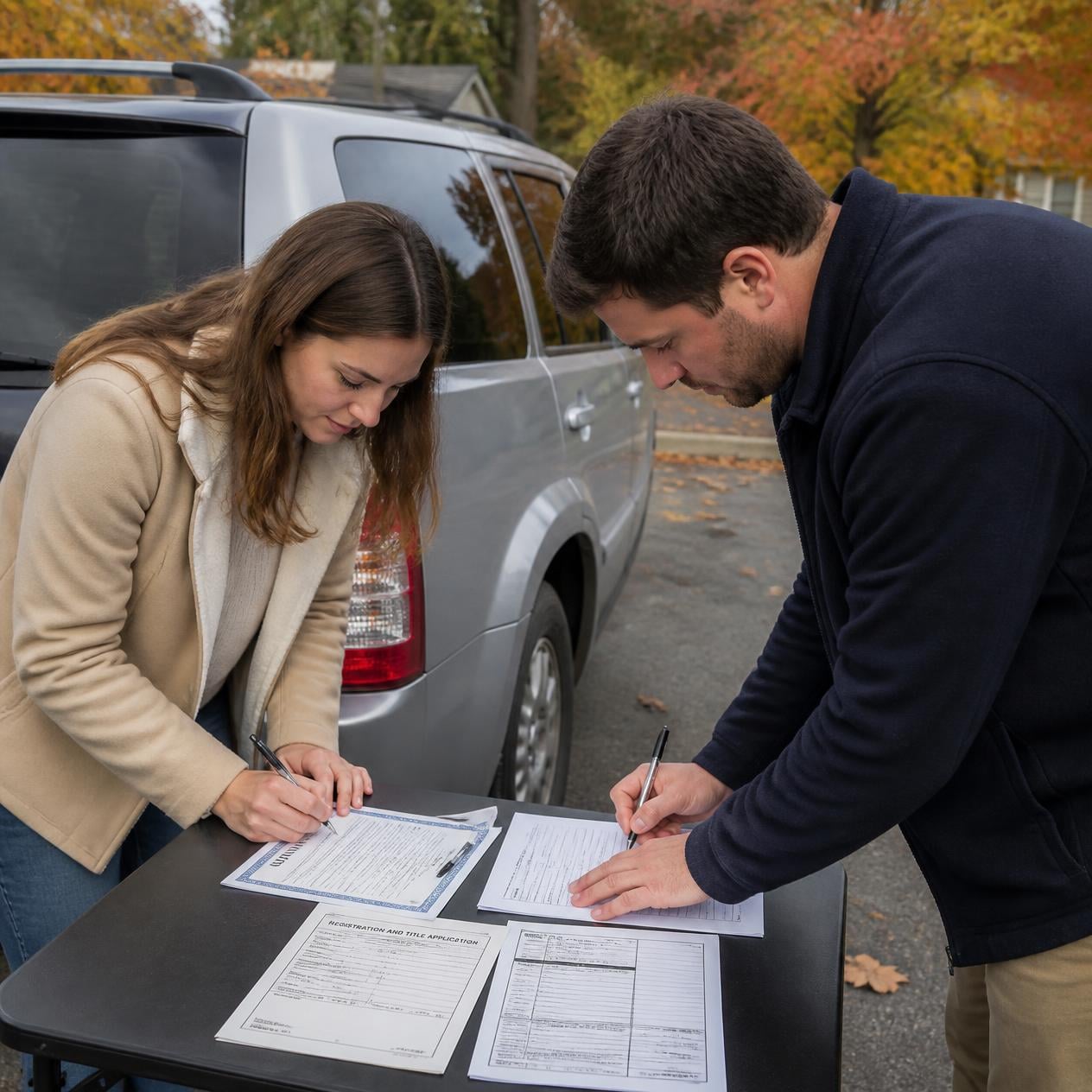
Bill of Sale (Form 1957) | Records the transaction details and price. | Required by MO law for both parties. |
Lien Release (if applicable) | Proves you have paid off your loan. | Seller provides if the title had a lien. |
Odometer Disclosure | Certifies the mileage is accurate. | Required for cars under 10 years old/16k lbs. |
IMPORTANT NOTE: If your automobile is under 10 years old or has less than 150,000 miles, generally the Safety Inspection is required as a condition of sale unless sold to someone out of state.
In counties with an emission inspection program (for example, St. Louis City/County, St. Charles County, Franklin County and Jefferson County), an emission inspection is required in addition to the Safety Inspection mentioned above.
Step 3: Pricing It Correctly
Pricing can be challenging for many sellers. When a seller sets the price too high for their vehicle, they do not receive calls from potential buyers. Conversely, when a seller sets the price too low for their vehicle, they leave out a considerable amount of money from the sale of their vehicle.
Do Your Research:
Begin your pricing strategy by researching other vehicles with features and quality available for sale locally (e.g., if you own a 2015 Honda Civic for sale in Springfield MO). Note the average price based on the odometer reading and the general condition of the vehicles. This will help you establish an average price for your vehicle.
Be Reasonable:
Sentimental value does not exist in monetary figures. For example, the fact that you have driven your children to school in that Honda Odyssey (minivan) does not equate to $2,000 higher than the market average price.

Step 4: Creating an Outstanding Listing
Your advertisement is your sales pitch.
Photos:
Take the photographs in the afternoon sun. The photographs should not have shadows over them. You will need to obtain photographs of the following items:
Exterior (front, rear and both drivers side and passenger side)
Interior (drivers seat, dashboard, back seat)
Odometer
Engine compartment
Any damage you have on the vehicle
The Complete Description:
The description should be to the point and to the matter at hand. Start with: Year, Make, Model, Odometer Mileage.
Then you need to tell your story as it relates to how you use your vehicle. For example, "This vehicle is my reliable mode of transportation and has always been parked in the garage. The vehicle has new tires installed within the past 12 months."
Finally, You will need to tell them if you have any damage or issues with the vehicle you are selling. For example, "There is a dent on my rear bumper and my AC blows cold." Honesty goes a long way to building trust with the potential buyer.

Step 5: Managing the Heavily Previously Made Sale Safely!
Now that your phone is ringing and you have started getting text messages, you must continue to make decisions for yourself regarding the screening of your buyers.
Screening Your Buyer:
If they call and say, "What is the least amount you will take?" Why? Because they haven't even looked at the vehicle yet. Here is a polite response: "I am open to reasonable offers made in person."
Test Drive:
Meeting Place: When meeting someone you don’t know, always choose a crowded location, like a grocery store parking lot or a police station "safe exchange zone." Never meet at your home, if avoidable, with strangers.
Checking ID: After you find someone who wants to test drive your vehicle, request their Driver’s License before allowing them to test drive it.
Riding Along: Never let your vehicle out of your sight. Sit in the passenger seat whenever someone takes your vehicle for a test drive.
Step 6: Closing the Deal
You have a buyer! They want to buy your vehicle! You have agreed on a price! Now what do you do?
Payment:
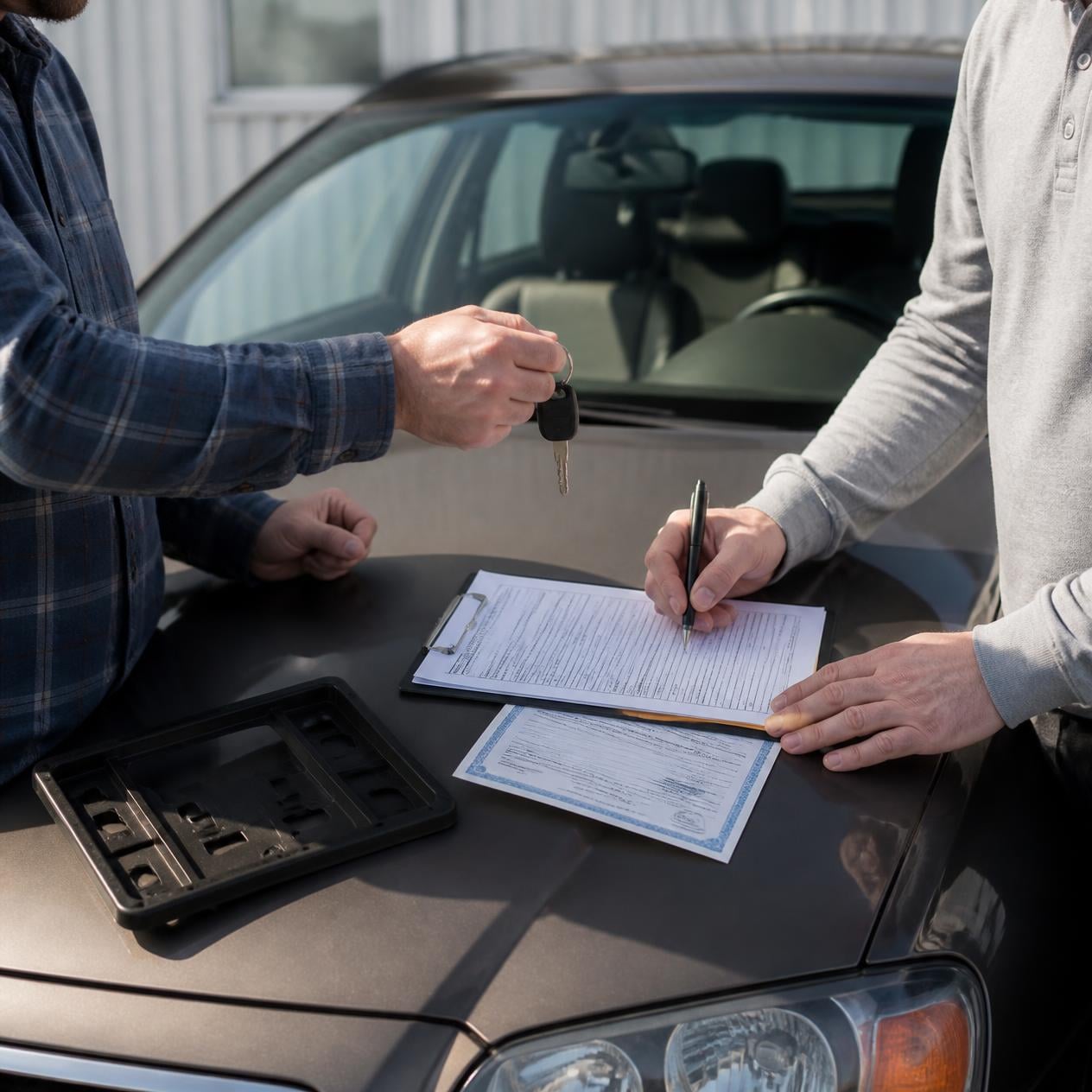
Cash is king. If the payment amount is high, and you are receiving payment by Cashier's Check, you should meet them at their bank to verify valid payment and receive cash for the cashiers check. I would also recommend avoiding accepting Personal Checks or Complex Electronic Payments that can be reversed at a later date.
Signing of Your Title:
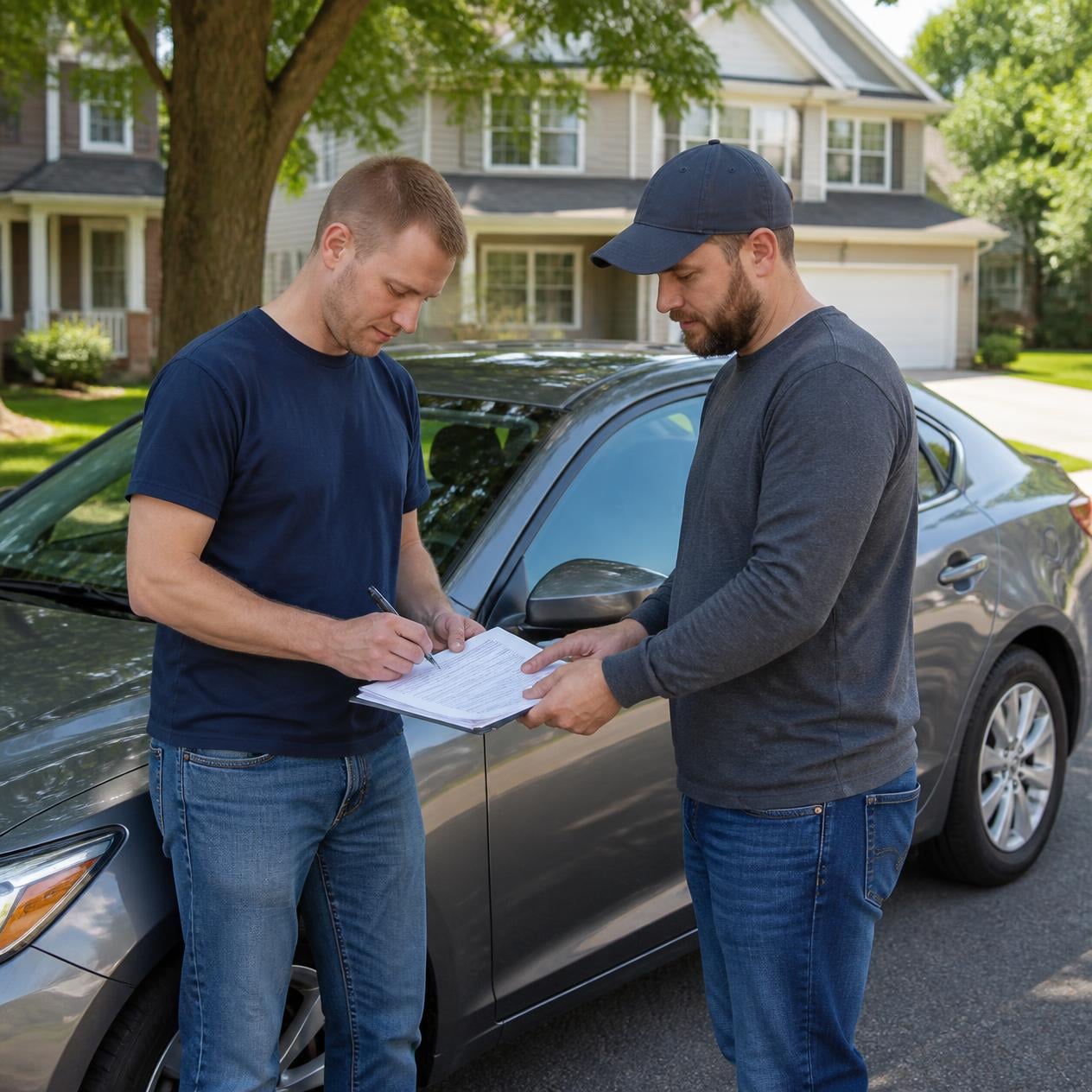
You must fill out the "Assignment of Title" section on the back of the Title Certificate.
You must complete the following:
Write/Print the Buyer’s name and address as stated above.
Record the sale price, as stated above, on the Title Certificate.
Record the date of the sale, as stated above, on the Title Certificate.
Record the actual odometer reading on the Title Certificate.
You must sign your name exactly as it appears on the front of the Title.
Filing of Notice of Sale:
This is important!In Missouri, you must notify the Department of Revenue of the sale of your vehicle by submitting a Notice of Sale (Form 5049) within 30 days. Should the new owner of your vehicle receive a parking ticket or cause an accident prior to registering the vehicle, this form protects you from liability since you are no longer the owner of the vehicle.
Remove Your Plates:
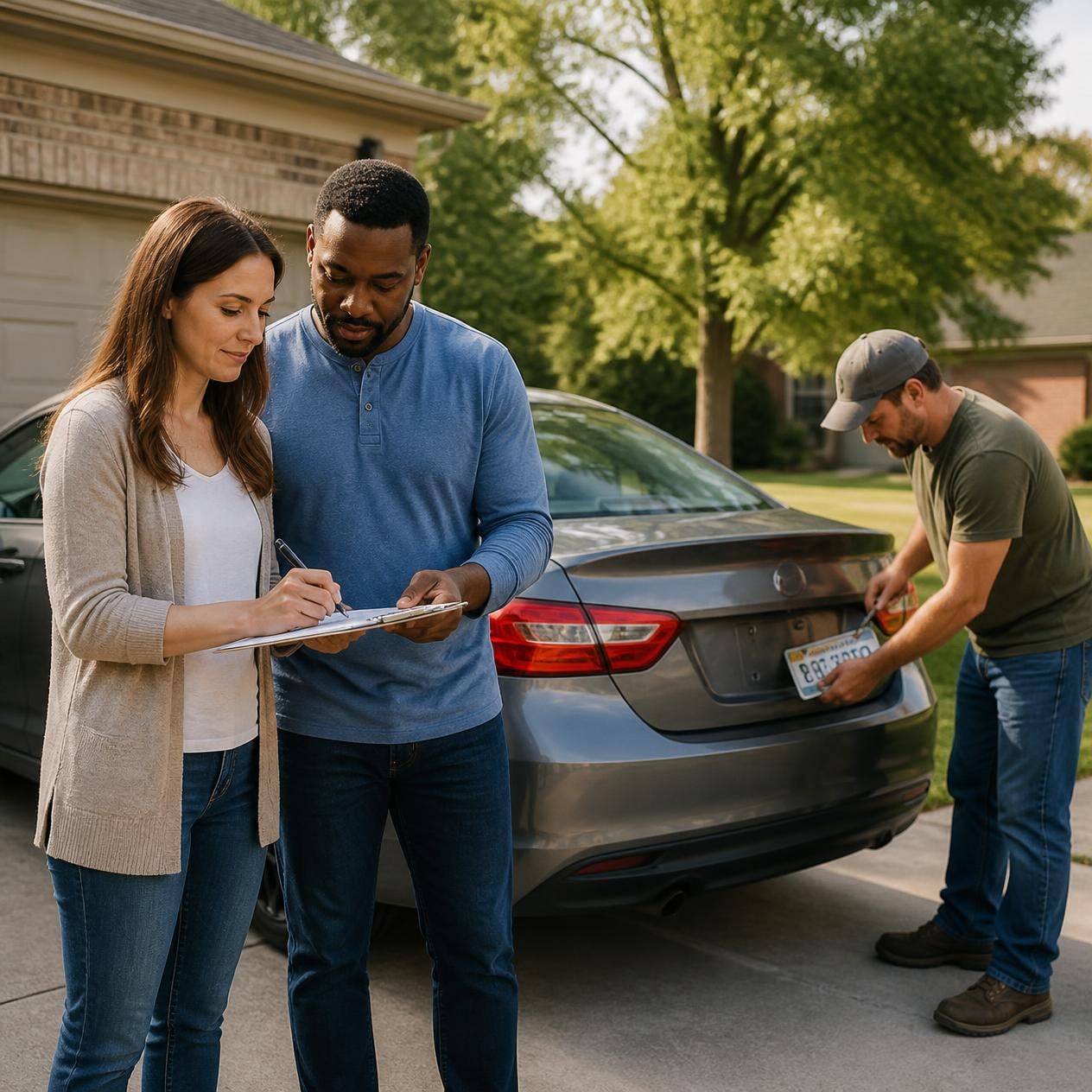
When selling your vehicle in Missouri, the seller is required to keep the license plates that were on the vehicle and remove those plates before the buyer drives the vehicle away from the seller's location. The seller may either transfer the plates onto their next vehicle or return the plates to the License Office.
Conclusion

To conclude, selling your vehicle privately in Missouri can be a very rewarding experience, provided you put in the necessary time and effort to do so. By following the recommendations outlined in this article and maintaining organized records and bills of sale throughout the process, you should be able to sell your vehicle quickly and for an acceptable amount of money to help fund your next adventure. Good luck!