
Bill of Sale Aug 31, 2026
Trading in a car at a dealership is convenient, but it almost always leaves money on the table. Selling privately puts you in control of the price, the timeline, and who ends up driving away with your vehicle. If you have browsed KarKiosk before, you already know this is one of the fastest ways to connect with real buyers in your area. What changes from state to state is the paperwork, the taxes, and a handful of small legal steps that keep the sale clean and enforceable.
This guide is designed to give you the full picture before you dive into your state's specific requirements. We will cover why selling privately makes sense, the steps that apply no matter where you live, the details that shift once you cross a state line, and a full directory linking to every state seller guide we have published.
Why Sell Privately Instead of Trading In
A dealership trade-in is fast, but the number they offer almost always sits well below what your car could fetch on the open market. That gap exists because the dealership has to resell your car at a profit, so their offer already has that margin built in.
Selling directly to another person removes that middleman. You set the asking price, you negotiate directly, and the money that would have gone to the dealership's margin stays in your pocket instead. For many sellers, that difference is measured in real dollars, not a rounding error.
The tradeoff is that a private sale takes more effort. You are responsible for creating the listing, screening buyers, and handling paperwork correctly. That is exactly where a platform like KarKiosk earns its keep, giving you listing tools, a secure message center, and a vehicle history report to hand off to serious buyers, all without giving out your personal phone number.
What Stays the Same in Every State
A few core steps apply to private car sales no matter where you live, and getting these right protects you from disputes down the road.
First, know your title status before you list the car. If a bank still holds a lien, you will need to pay off the loan and get the lien released before you can transfer a clean title to a buyer. Trying to sell a car with an active lien almost always slows down or derails the sale.
Second, price the car honestly. Overpricing leads to a stale listing that buyers scroll past, while underpricing costs you money you did not need to leave behind. Comparing similar vehicles currently listed on KarKiosk in your area gives you a realistic, current benchmark rather than a guess based on outdated numbers.
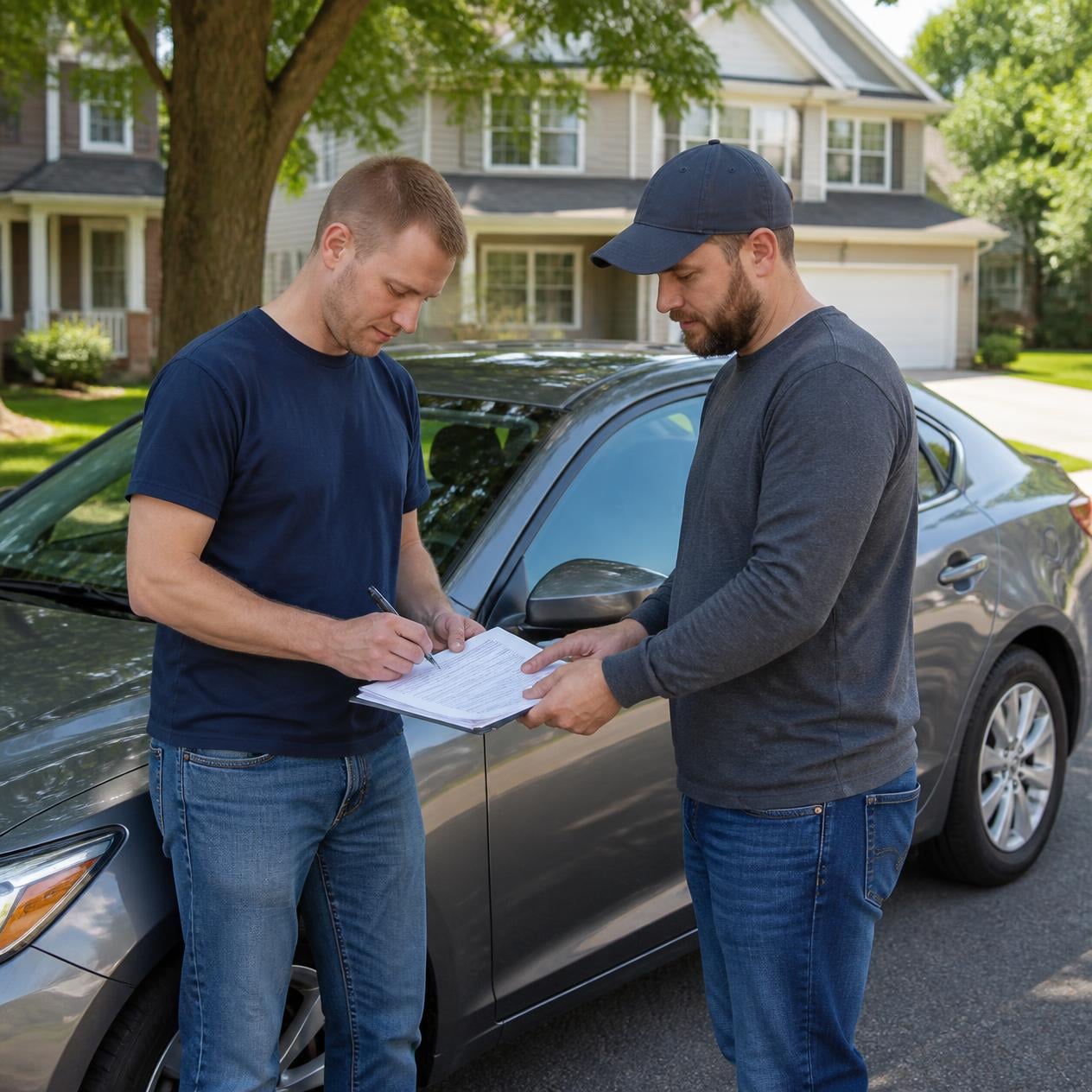
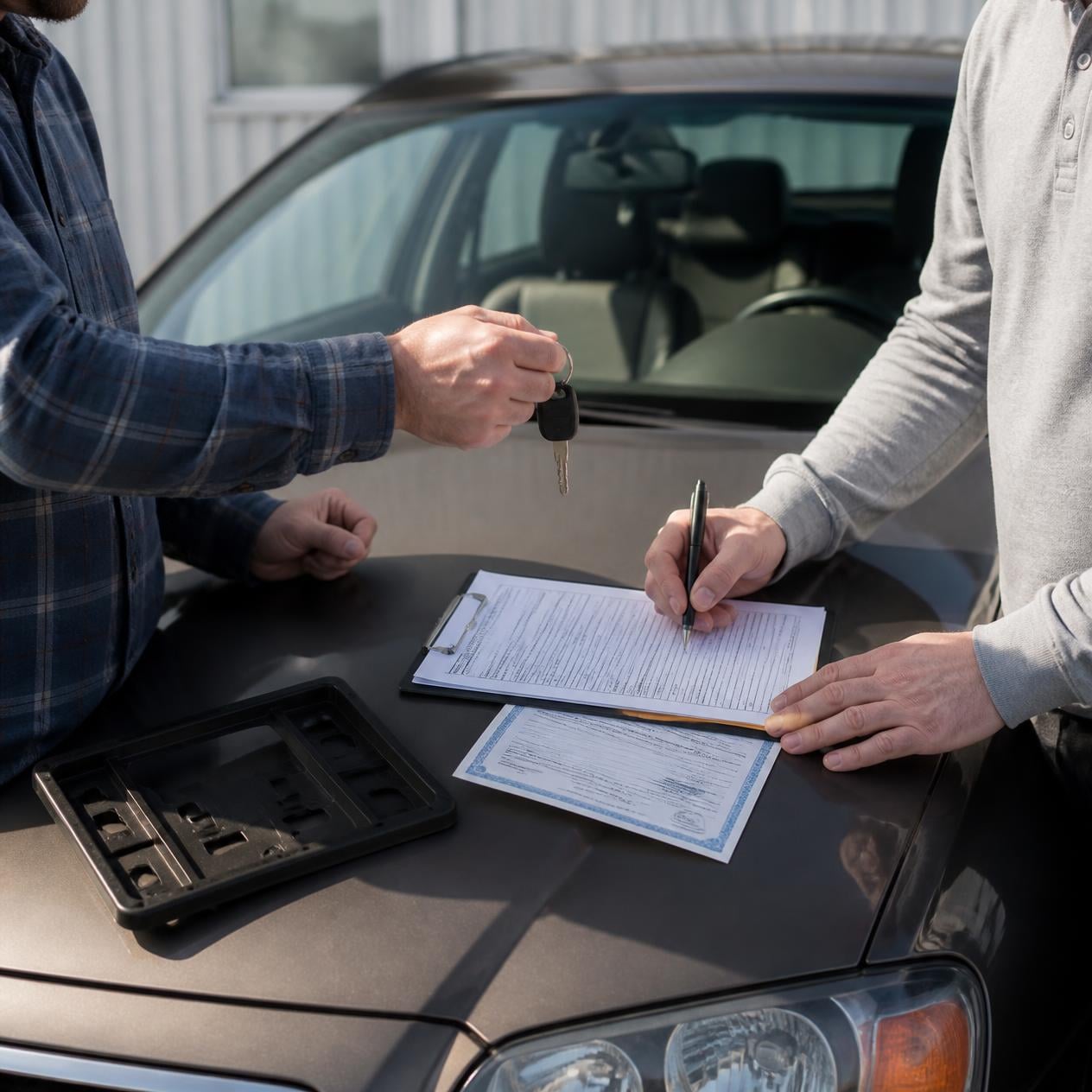
Third, always put the sale in writing with a bill of sale. Even in states where it is not strictly required, a bill of sale documents the agreed price, the date, and both parties' signatures, which protects you if a tax or liability question comes up months later.
Finally, protect yourself during the buyer screening and meeting stage. Use a secure messaging system rather than sharing your personal number right away, meet potential buyers in a safe public location, and never hand over the keys for an unaccompanied test drive with someone you just met online.

Where the Rules Start to Differ
Once you get past these fundamentals, the process starts to diverge quite a bit depending on where you live, and this is where a lot of first-time sellers get tripped up.
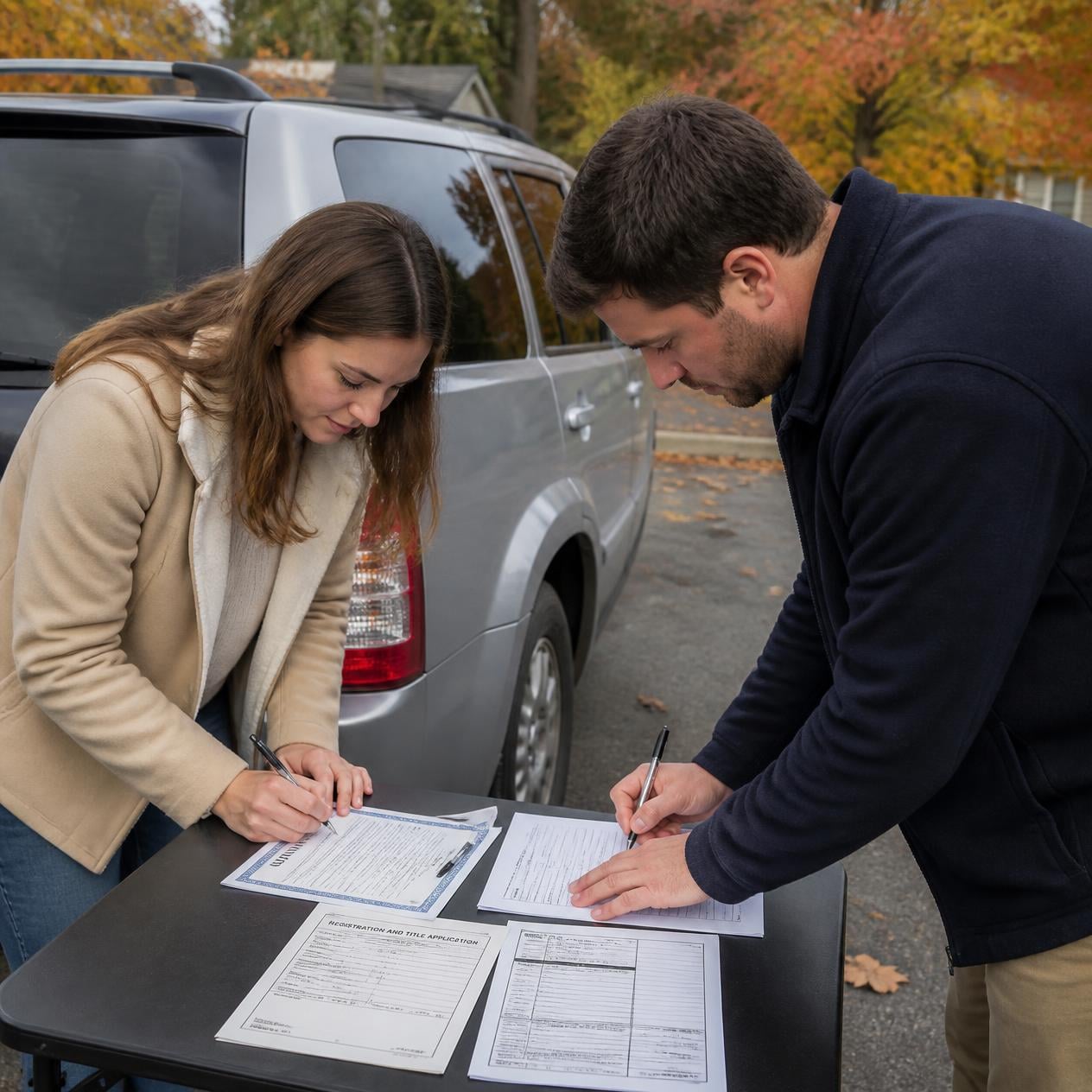
Title requirements vary in ways that matter. Some states require the seller's signature to be notarized before a title transfer is valid, and skipping this step can leave the buyer unable to register the car, which almost always becomes your problem too if they come back asking for help. Other states also require sellers to submit a release of liability form to the DMV once the sale is complete, which protects you from tickets, tolls, or accidents the new owner might rack up before officially registering the vehicle in their name.
Sales tax rules affect sellers indirectly but still matter. Buyers in some states pay tax based on the price listed on your bill of sale, which means an unrealistically low number can trigger scrutiny from the state, even though the tax bill technically lands on the buyer.
Odometer disclosure requirements are another area of difference. Most states require this for vehicles under a certain age, generally around ten years old, but the exact form and required details can vary. Emissions and safety inspections also come into play in some states, where a seller may need to provide a current passing inspection certificate before a sale can be finalized, particularly in certain counties.
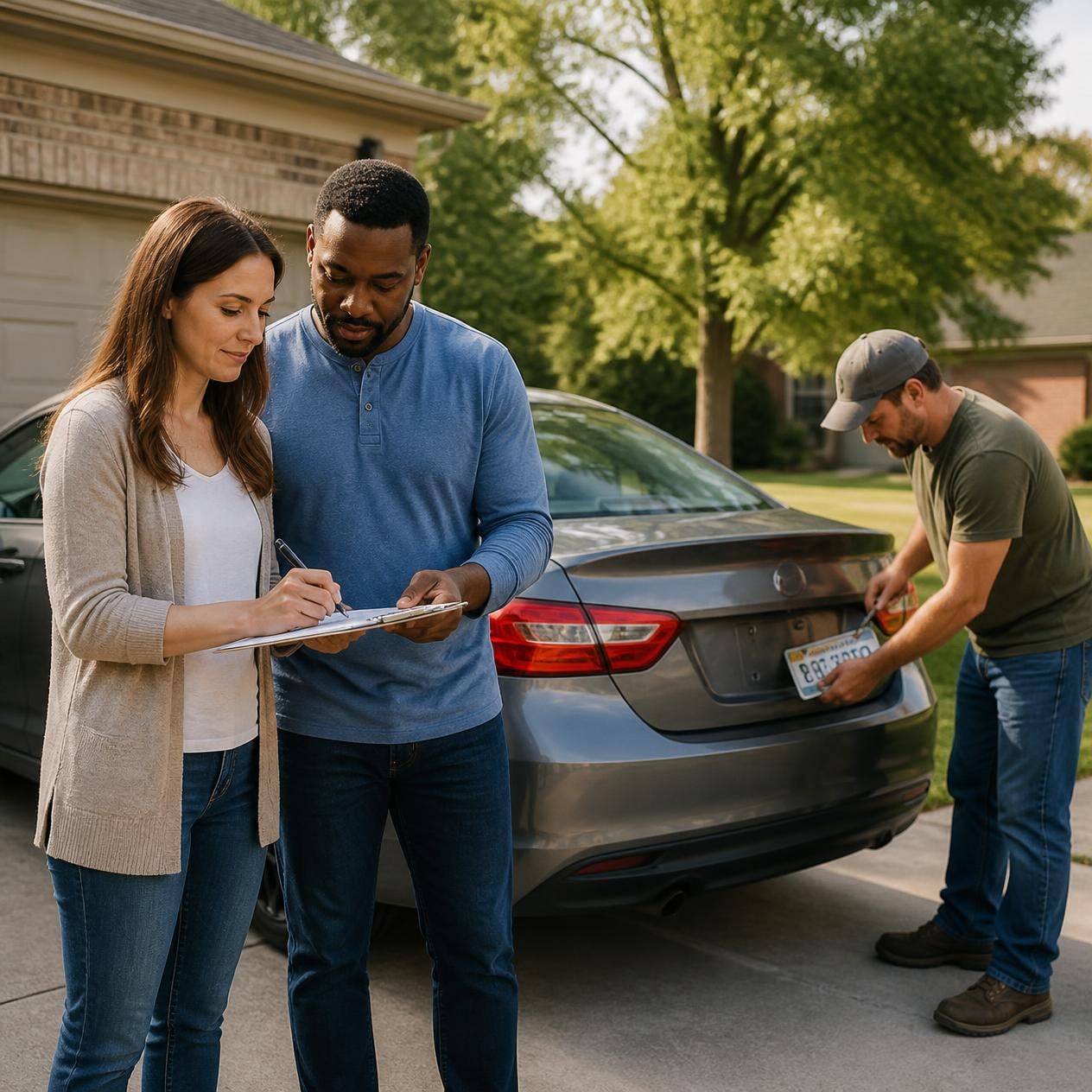
Finally, how quickly you need to notify your state's DMV after a sale, and what happens to your license plates, differs from place to place. In some states, plates stay with the seller and must be removed before the buyer drives away. In others, plates are meant to transfer with the vehicle, at least temporarily.
A Simple Way to Compare States at a Glance
Because these rules shift from state to state and even from county to county, here is a general framework sellers should confirm before finalizing a private sale.
| Category | Why It Matters | Where to Confirm It |
|---|---|---|
| Notarization requirement | Determines how you schedule the title signing | State DMV title transfer rules |
| Release of liability form | Protects you from the buyer's future tickets or accidents | State DMV website |
| Odometer disclosure rules | Required for most vehicles under about ten years old | State DMV title transfer rules |
| Emissions or safety certificate | May be required before a sale can close in some counties | County or state environmental agency |
| License plate handling | Determines whether plates stay with you or the vehicle | State DMV registration page |
Because these requirements are specific and can change, always verify current rules with your state DMV before your sale day. Our individual state seller guides, linked at the end of this article, walk through the current requirements in detail.

The Selling Process, Step by Step
Selling a car privately is much easier when you understand each stage of the process before you begin. Following a clear sequence helps you stay organized, avoid unnecessary delays, and complete the sale safely and legally.
1
Gather Your Paperwork
Start by locating your vehicle title, confirming there is no active lien, and checking your state's requirements for notarization or a release of liability form. Having these documents ready before listing your car prevents delays later in the selling process.
2
Prepare Your Car for Listing
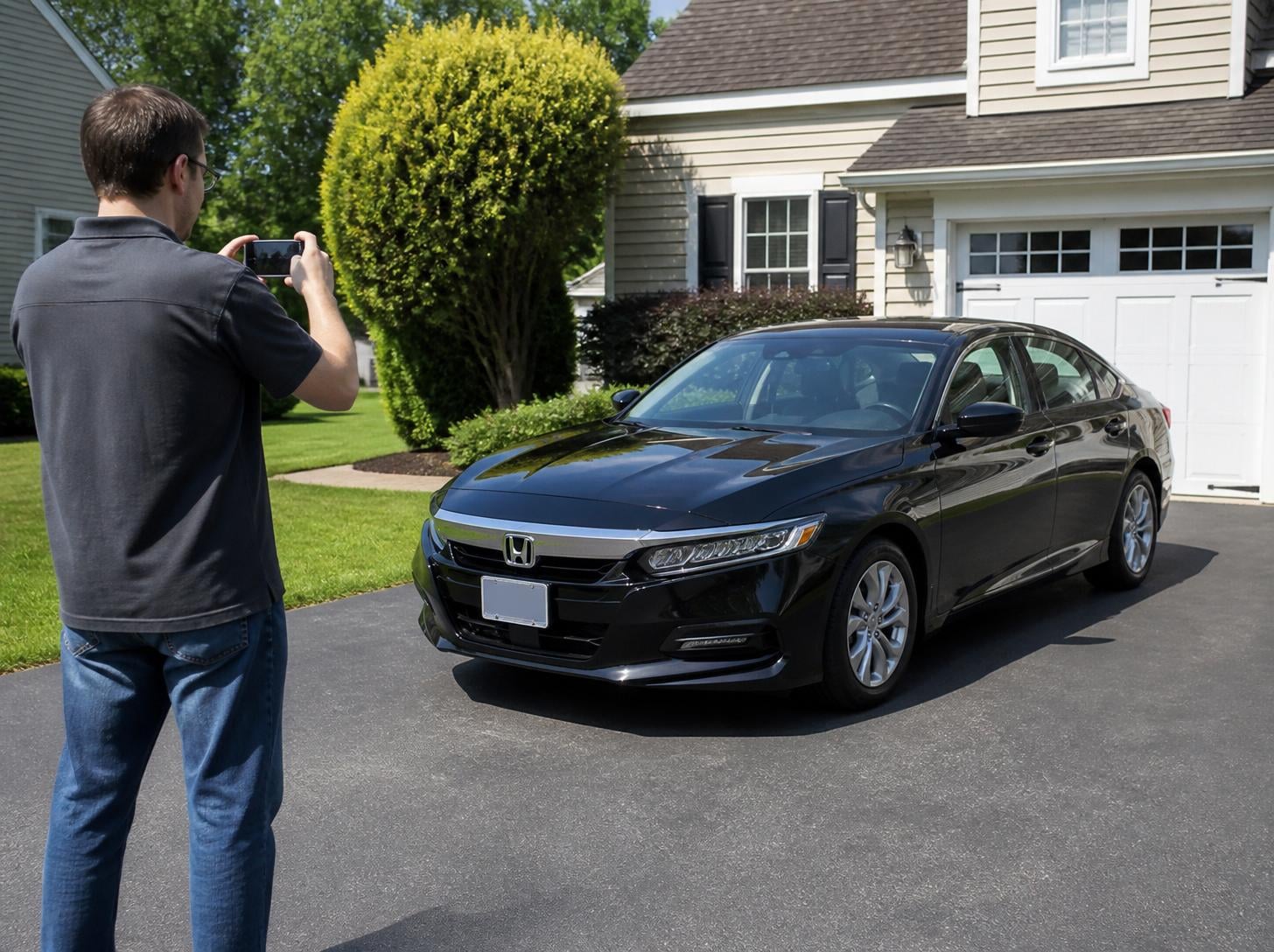
Give your vehicle a thorough interior and exterior cleaning before taking photos. Capture clear, high-quality images in daylight from multiple angles to make your listing more attractive to serious buyers.
3
Create a Complete Listing
On KarKiosk, you can upload up to 25 photos and a short video to showcase your vehicle. Write an honest description that includes the mileage, overall condition, maintenance history, and any known issues so buyers know exactly what to expect.
4
Communicate Safely with Buyers
Keep all conversations inside the KarKiosk Message Center to maintain a record of your discussions and protect your personal contact information. Be cautious of buyers who refuse to inspect the car, pressure you to accept unusual payment methods, or only want to negotiate through text messages.
5
Schedule a Safe Meeting
Arrange to meet interested buyers in a public location whenever possible, and consider bringing someone with you. Allow a test drive, but accompany the buyer during the drive and hand over the keys only when you feel comfortable.
6
Complete the Sale
After agreeing on a price, fill out the bill of sale, complete any required notarization, and accept payment using a secure method such as a verified cashier's check or a confirmed electronic transfer. Avoid accepting personal checks because they can be returned after the buyer has taken the vehicle.
7
Transfer Ownership
Sign the title over to the buyer, provide any required disclosure forms, and submit a release of liability notice to your state's DMV if required. This final step officially transfers responsibility for the vehicle and helps protect you from future liability.
Pricing Your Car to Sell Quickly and Fairly
Getting the price right is often the single biggest factor in how fast your car sells. Price too high and your listing sits untouched for weeks while buyers move on to better-priced options. Price too low and you leave money on the table that you could have kept.
Start by looking at comparable listings on KarKiosk in your area, matching make, model, year, mileage, and condition as closely as possible. Pay attention to how long similar listings have been active. If cars like yours are selling within a week or two, your target price range is probably close to the market rate. If similar listings are sitting for a month or longer, that is a sign the current asking prices may be too optimistic.
Condition-specific factors matter too. A recent set of tires, a fresh timing belt service, or a spotless service record can justify pricing toward the higher end of your comparable range. On the other hand, cosmetic issues, an upcoming major service interval, or a lapse in maintenance records should nudge your price down, since savvy buyers will factor in the cost of catching up on deferred maintenance.
It also helps to leave a small amount of room for negotiation. Listing a price with a little cushion above your true bottom line gives buyers the sense that they are getting a fair deal when you agree to come down slightly, which often leads to a faster close than a rigid, take-it-or-leave-it number.

Common Mistakes First-Time Private Sellers Make
A handful of mistakes show up again and again among private sellers, regardless of location. Skipping the release of liability filing is one of the most common, and it can leave a seller on the hook for parking tickets or worse if the new owner delays registering the vehicle.
Underestimating the value of a vehicle history report is another. Buyers increasingly expect one before they will take a listing seriously, and providing it upfront, as KarKiosk does automatically, builds trust and can speed up the sale considerably.
Sellers also sometimes accept payment methods that feel convenient in the moment but carry real risk, like personal checks or unverified digital payment apps that allow disputes and reversals after the fact. Sticking to verified cashier's checks or bank-confirmed transfers protects both sides of the transaction. Finally, rushing the paperwork at the end of a long negotiation is a common slip. Taking ten extra minutes to fill out the bill of sale correctly and double-check the odometer disclosure can save hours of frustration later.
Browse Every State Seller Guide
We have published a dedicated seller guide covering the private sale process for states across the country, including the paperwork, notarization rules, and tax details specific to each one. Below is the full directory. Click through to your state for the complete breakdown.
Alabama | Alaska | Arizona | Arkansas | California | Colorado | Connecticut | Delaware | Florida | Georgia | Hawaii | Idaho | Illinois | Indiana | Iowa | Kansas | Kentucky | Louisiana | Maine | Maryland | Massachusetts | Michigan | Minnesota | Mississippi | Missouri | Montana | Nebraska | Nevada | New Hampshire | New Jersey | New Mexico | New York | North Carolina | North Dakota | Ohio | Oklahoma | Oregon | Pennsylvania | Rhode Island | South Carolina | South Dakota | Tennessee | Texas | Utah | Vermont | Virginia | Washington | West Virginia | Wisconsin | Wyoming
Final Thoughts
Selling your car privately puts more money in your pocket and more control in your hands, but only if you handle the paperwork correctly along the way. The fundamentals, a clean title, an honest price, and a written bill of sale, apply no matter where you live. The state-specific details, from notarization to release of liability filings, are what separate a smooth sale from a lingering headache. Use this overview as your starting point, then head to your state's dedicated seller guide for the exact steps that apply to you. When you are ready to list, KarKiosk gives you the tools to sell privately with confidence, from your first photo to your final signature.