

Bill of Sale Aug 31, 2026
Searching for your next vehicle in the Sunflower State? Looking beyond traditional dealerships can uncover great deals and unique finds. Buying a car directly from a private owner in Kansas offers a different kind of experience, one that many drivers find rewarding. This guide will walk you through the process, from understanding the benefits to navigating the sale with confidence.
Why Buy a Car Directly from the Owner?
Choosing to purchase a vehicle from a private seller can be a smart move. Without the overhead costs of a dealership, private sellers can often offer their cars at a lower price. This means you might get more car for your money or simply save on your purchase. The transaction is often more straightforward and personal. You get to meet the person who drove and maintained the car, giving you a chance to ask specific questions about its history and performance.
From the bustling streets of Kansas City to the quiet roads of Wamego, you can find a wide variety of vehicles listed by private owners. Whether you need a sturdy truck for work, a reliable sedan for commuting, or a spacious SUV for the family, the private market is full of options.
Popular Cars Available from Private Sellers in Kansas
The private seller market in Kansas reflects a diverse range of needs and preferences. You'll commonly find dependable sedans like the Honda Civic and Toyota Camry, perfect for daily driving and fuel efficiency. For those needing more space and capability, SUVs like the Ford Explorer, Jeep Grand Cherokee, and Nissan Pathfinder are frequently available. Trucks, essential for both rural and urban life in Kansas, are also popular, with models like the Ford F-150 and Chevrolet Silverado often listed for sale.
Private Seller vs. Dealership: A Quick Comparison
Deciding where to buy your car is a big decision. Both private sellers and dealerships have their advantages and disadvantages. Understanding them can help you choose the right path for your needs.
Feature | Buying from a Private Seller | Buying from a Dealership |
Price | Often lower due to no overhead costs. More room for negotiation. | Generally higher to cover business expenses, salaries, and profit margins. |
Selection | Varies widely; you might find unique or older models not at dealerships. | Large inventory of new and certified pre-owned (CPO) vehicles. |
Financing | Buyer must secure their own financing through a bank or credit union. | Offers in-house financing options, but rates may be higher. |
Warranties | Cars are usually sold "as-is" with no warranty. | Often includes warranties, especially for CPO and new vehicles. |
Paperwork | Buyer and seller handle the title transfer and bill of sale themselves. | The dealership manages all paperwork, making the process simpler. |
Vehicle History | Direct access to the owner for firsthand information about the car's past. | Relies on vehicle history reports, which may not be fully comprehensive. |
Tips for a Smooth Private Car Purchase
Buying from a private owner requires a bit more diligence on your part, but these steps can ensure a secure and successful transaction.
1. Do Your Homework
Before you even contact a seller, research the make and model you are interested in. Check for common issues, typical repair costs, and the average market price. This knowledge will empower you during negotiations and help you spot a good deal.
2. Inspect the Vehicle Thoroughly
Never buy a car without seeing it in person. During the inspection, check everything. Look for rust, dents, and mismatched paint on the exterior. Inside, test all the electronics, from the radio to the power windows. Check under the hood for any leaks or frayed belts.

3. Take a Comprehensive Test Drive
A test drive is more than just a spin around the block. Drive the car on different types of roads, including city streets and highways, to see how it performs at various speeds. Listen for unusual noises from the engine, brakes, or suspension. Pay attention to how the car handles, accelerates, and brakes.
4. Get a Vehicle History Report
A Vehicle Identification Number (VIN) is your key to the car's past. Use a service like Carfax or an option available through platforms like KarKiosk to get a full report. This document will reveal if the car has been in major accidents, had its odometer rolled back, or has a salvage title.
5. Have a Mechanic Do a Pre-Purchase Inspection
For ultimate peace of mind, have a trusted mechanic perform a pre-purchase inspection (PPI). A professional can spot hidden problems that you might miss. The cost of a PPI is small compared to the potential cost of unexpected major repairs down the road.
6. Handle the Paperwork Correctly
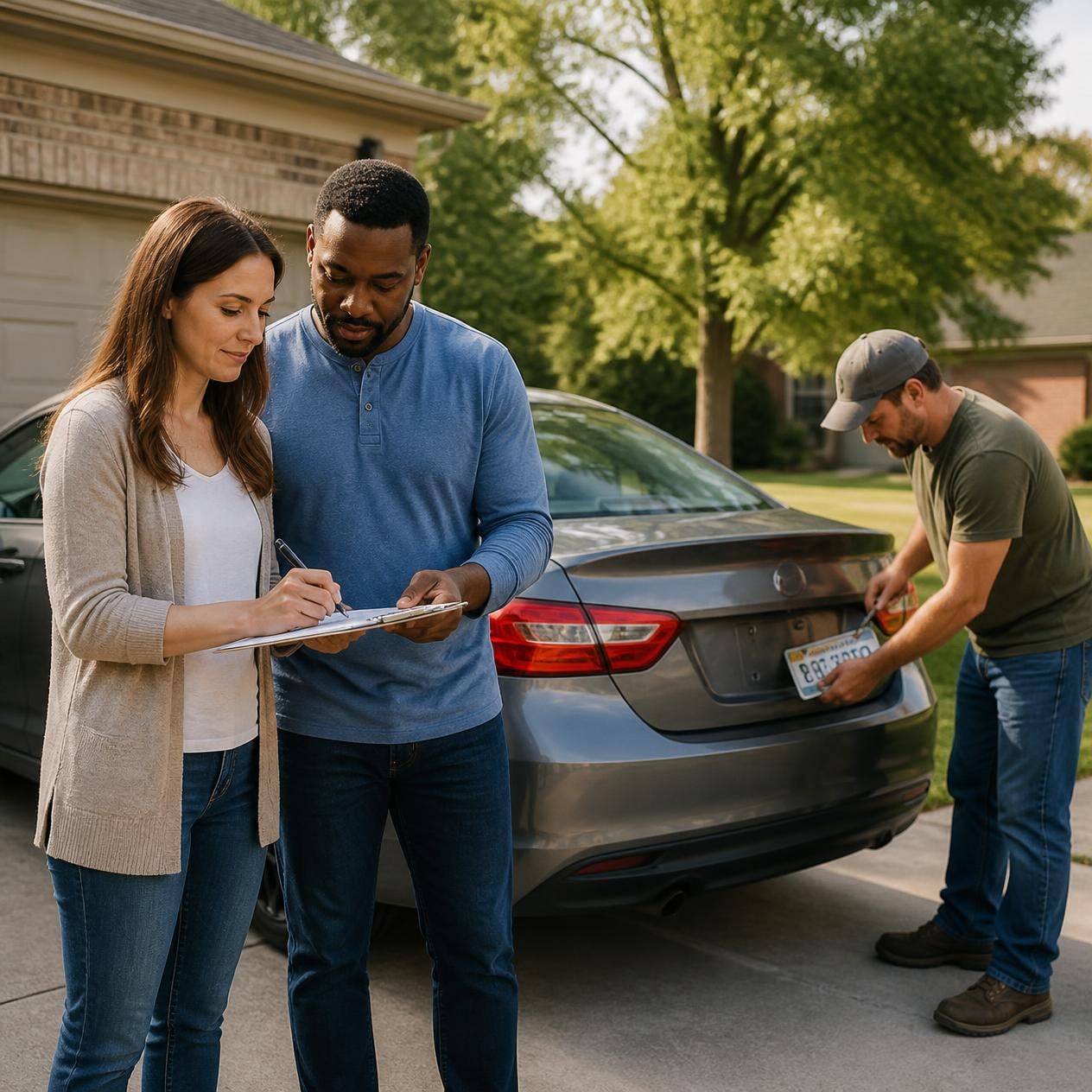
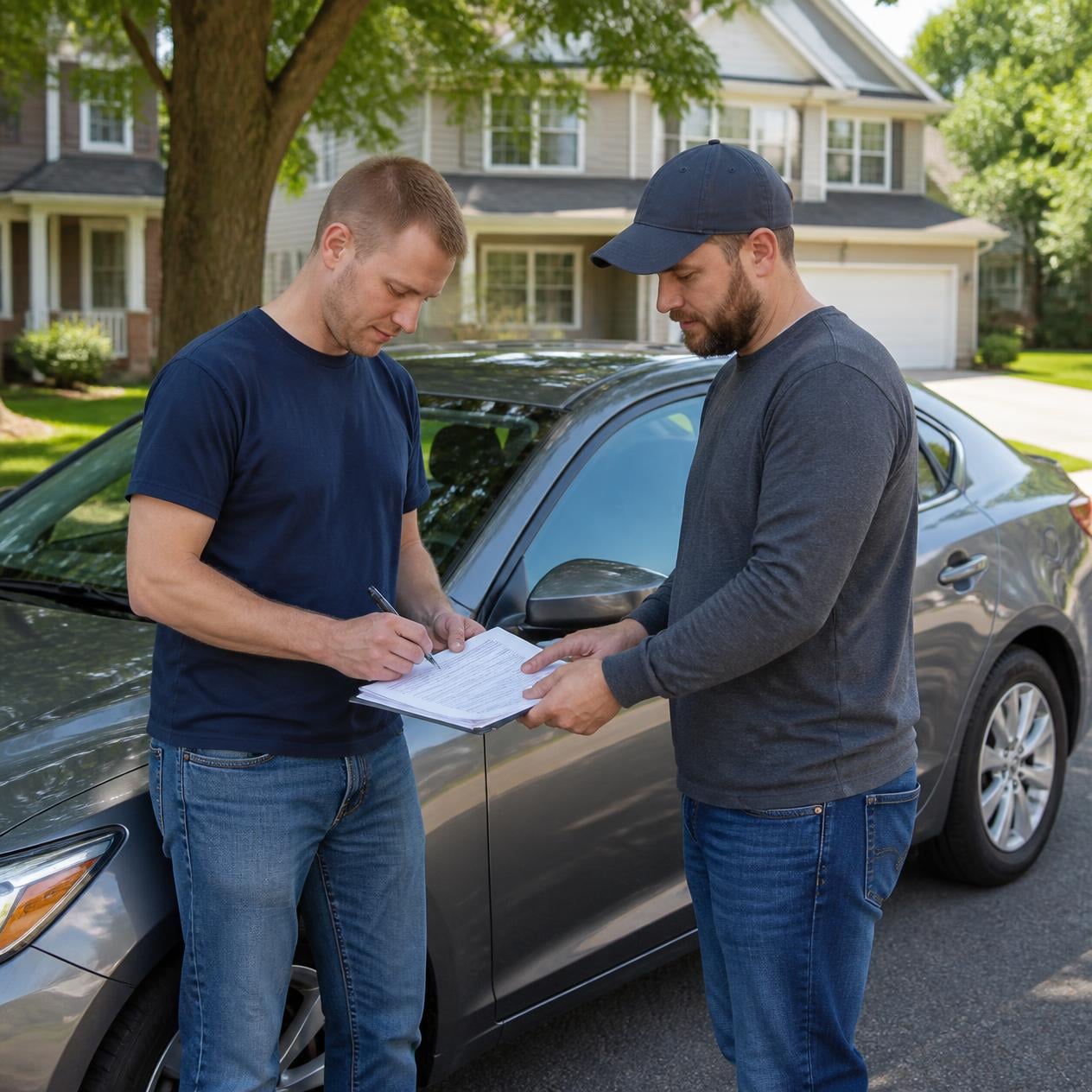
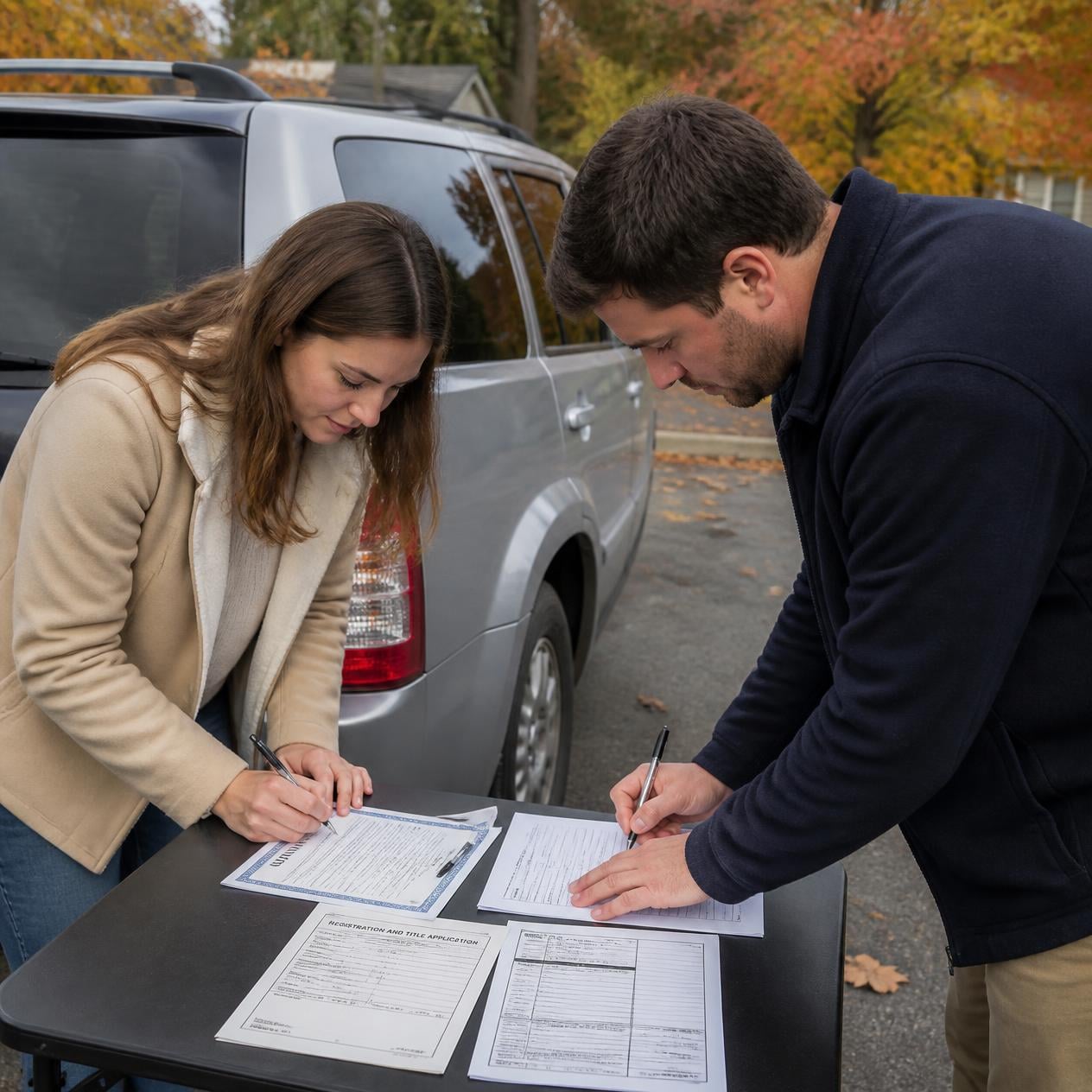
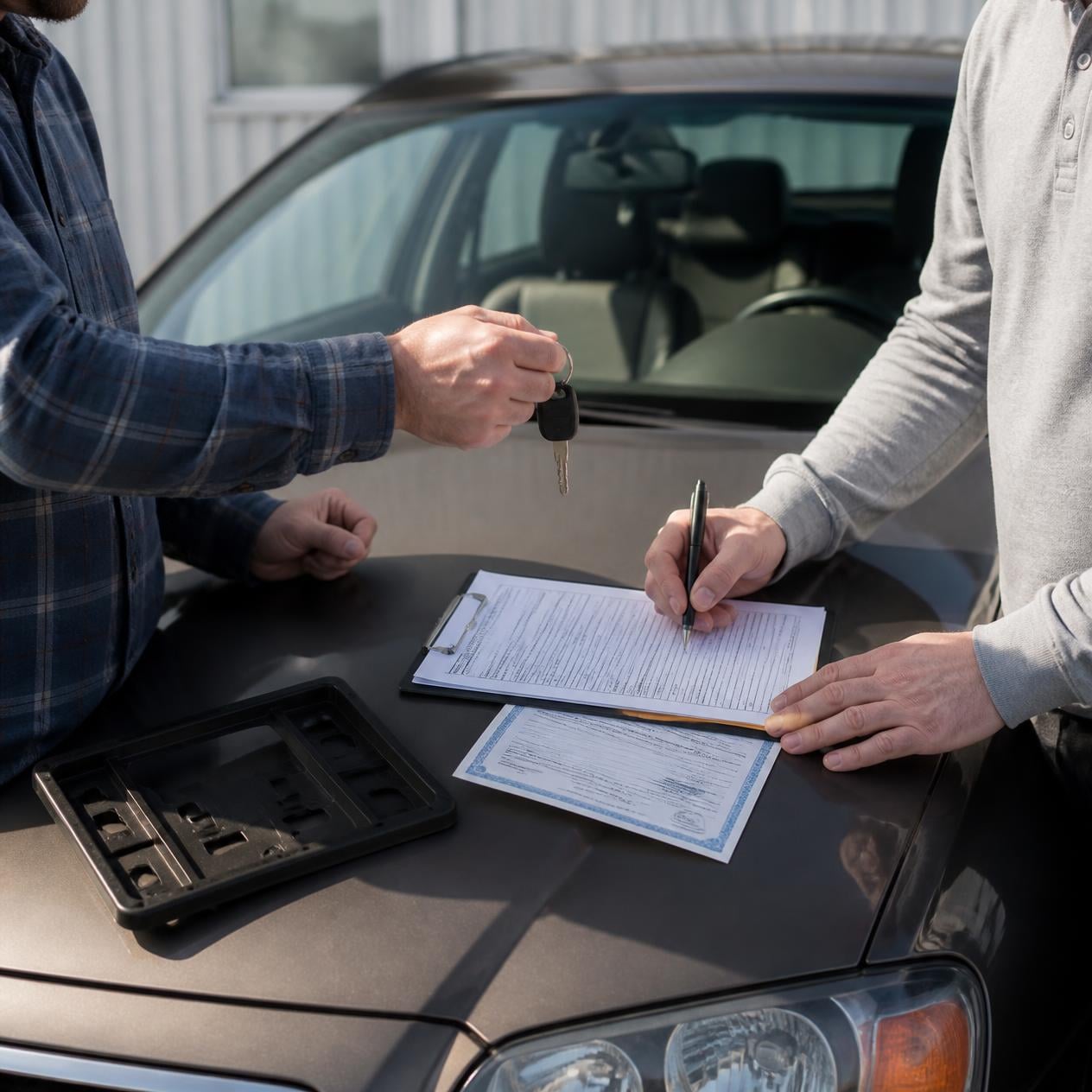
In Kansas, the seller must provide you with the original title. They need to sign it over to you. Ensure the name on the title matches the seller's ID. A bill of sale is also highly recommended. It should include the vehicle's details (year, make, model, VIN), sale price, date, and signatures from both you and the seller. You have 60 days to take this paperwork to your county treasurer's office to title and register the car in your name.
Start Your Search Today
Buying a car from a private seller in Kansas can be a fantastic way to find your next vehicle at a great price. With a bit of research and careful inspection, you can drive away with a car you love.
Platforms like KarKiosk make it easy to browse private car sales across Kansas. You can filter by make, model, price, and location to narrow down your options and find the perfect vehicle from a local owner near you.
Frequently Asked Questions (FAQs)
1. Is it safe to buy a car from a private seller?
Yes, it can be very safe if you take the proper precautions. Always meet in a public place, never go alone, and trust your instincts. Avoid sellers who pressure you into a quick decision or refuse a mechanical inspection.
2. How do I pay a private seller for a car?
Avoid carrying large amounts of cash. A cashier's check is one of the most secure methods of payment. It's drawn against the bank's funds, guaranteeing payment for the seller and providing you with a receipt.
3. What if the seller still has a loan on the car?
If there's a lien on the title, the seller must pay off the loan before they can transfer ownership to you. The safest way to handle this is to conduct the transaction at the lender's bank. You can pay the bank directly, and they will release the lien and provide the necessary paperwork.
4. Do I need to get insurance before I buy the car?
Yes. In Kansas, you must show proof of insurance to register a vehicle. Contact your insurance agent before you finalize the purchase to have coverage ready for your new car.