

Bill of Sale Aug 31, 2026
Looking for used cars for sale by owner in South Carolina can feel like a treasure hunt. Going the private seller route can be a rewarding experience, but it requires careful thought. There are many benefits to buying a car from a private seller, especially if you are on a budget. To succeed, you need to be cautious about the car itself, the paperwork involved, and the safety of the transaction. Whether this is your first car purchase or you're a long-time auto enthusiast, this guide will give you the essential tips and steps for a smooth private car purchase.
Why Choose a Private Seller Over a Dealership?
Opting for used cars for sale by owner instead of visiting a dealership can offer several significant advantages. For many buyers in South Carolina, the private market is the best way to find a great vehicle without breaking the bank.
Pros of Buying from a Private Seller | Cons of Buying from a Private Seller |
Lower Prices: Private sellers don't have overhead costs like rent and staff, so they can offer lower prices. | No Warranties: Sales are typically "as-is," meaning you have no legal recourse if something breaks. |
More Negotiation Room: You're dealing directly with the owner, which often leads to a more flexible negotiation process. | More Risk: You are responsible for inspecting the car and verifying its history. |
Unique Vehicle Choices: Find well-maintained family cars, classic models, or unique vehicles not found on dealer lots. | Complex Paperwork: You must handle all the title transfer and registration paperwork yourself. |
Transparent History: The owner can provide firsthand details about maintenance, repairs, and how the car was driven. | Safety Concerns: Meeting and transacting with strangers requires extra caution. |
If you're in South Carolina and weighing your options, choosing a private seller can lead to substantial savings and a more personal buying experience.
Essential Documents for a Private Car Sale in SC
When you buy a car from a private seller in South Carolina, you need to handle the paperwork correctly to ensure the transaction is legal and smooth. Having these documents ready will prevent headaches later when you register the vehicle.
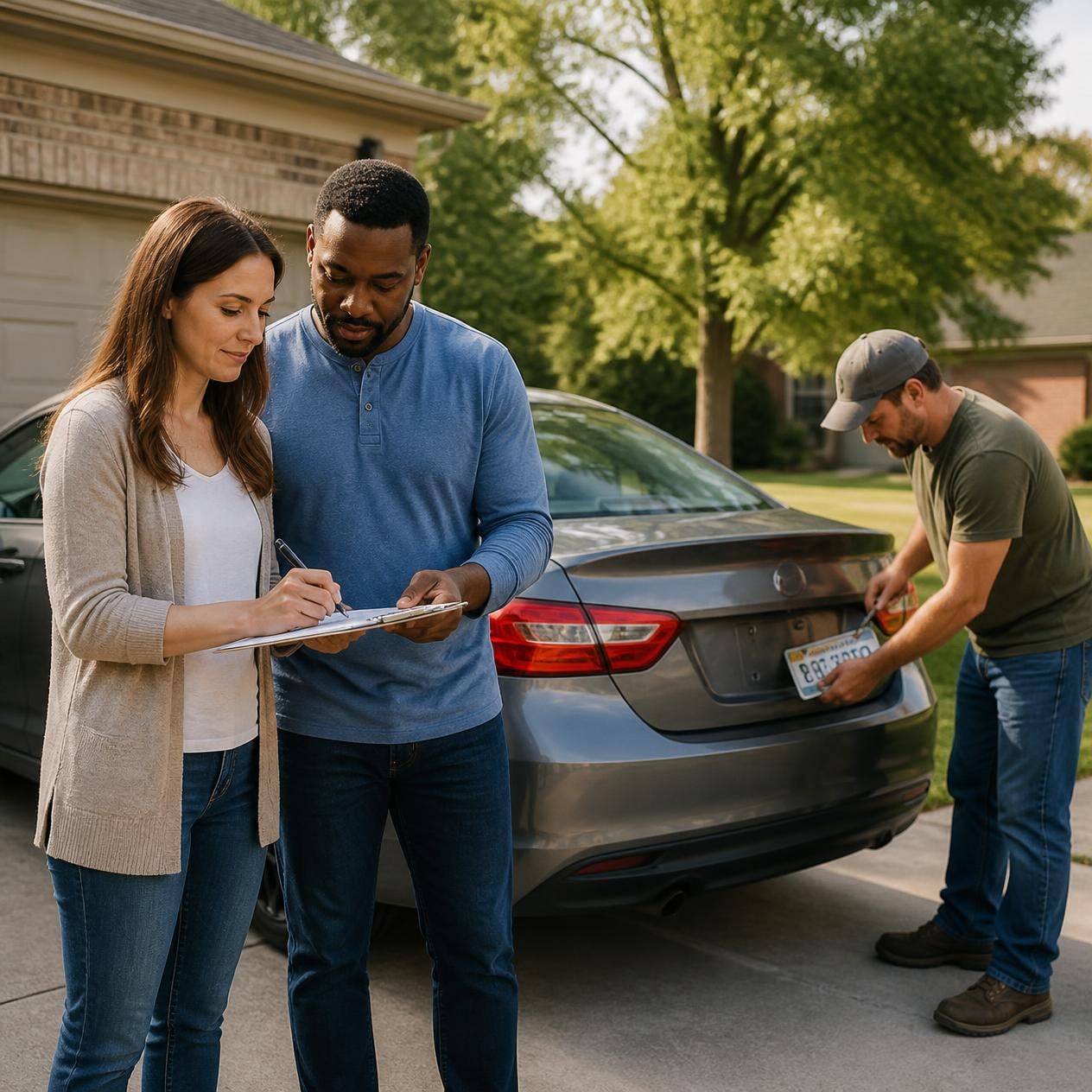
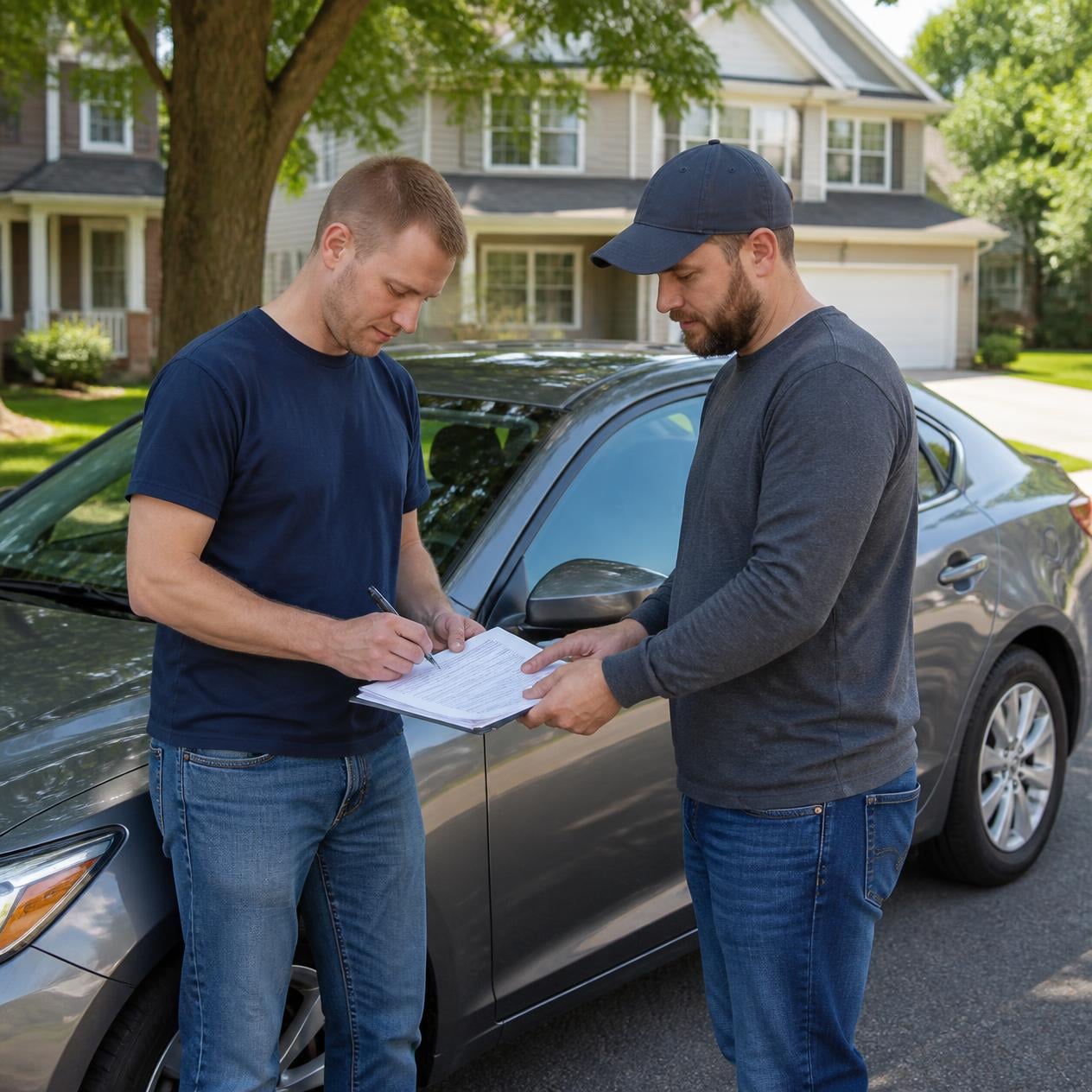
Vehicle Title: This is the most critical document. The seller must sign the title over to you. Make sure both you and the seller fill out the back of the title accurately, including the sale price, date, and odometer reading.
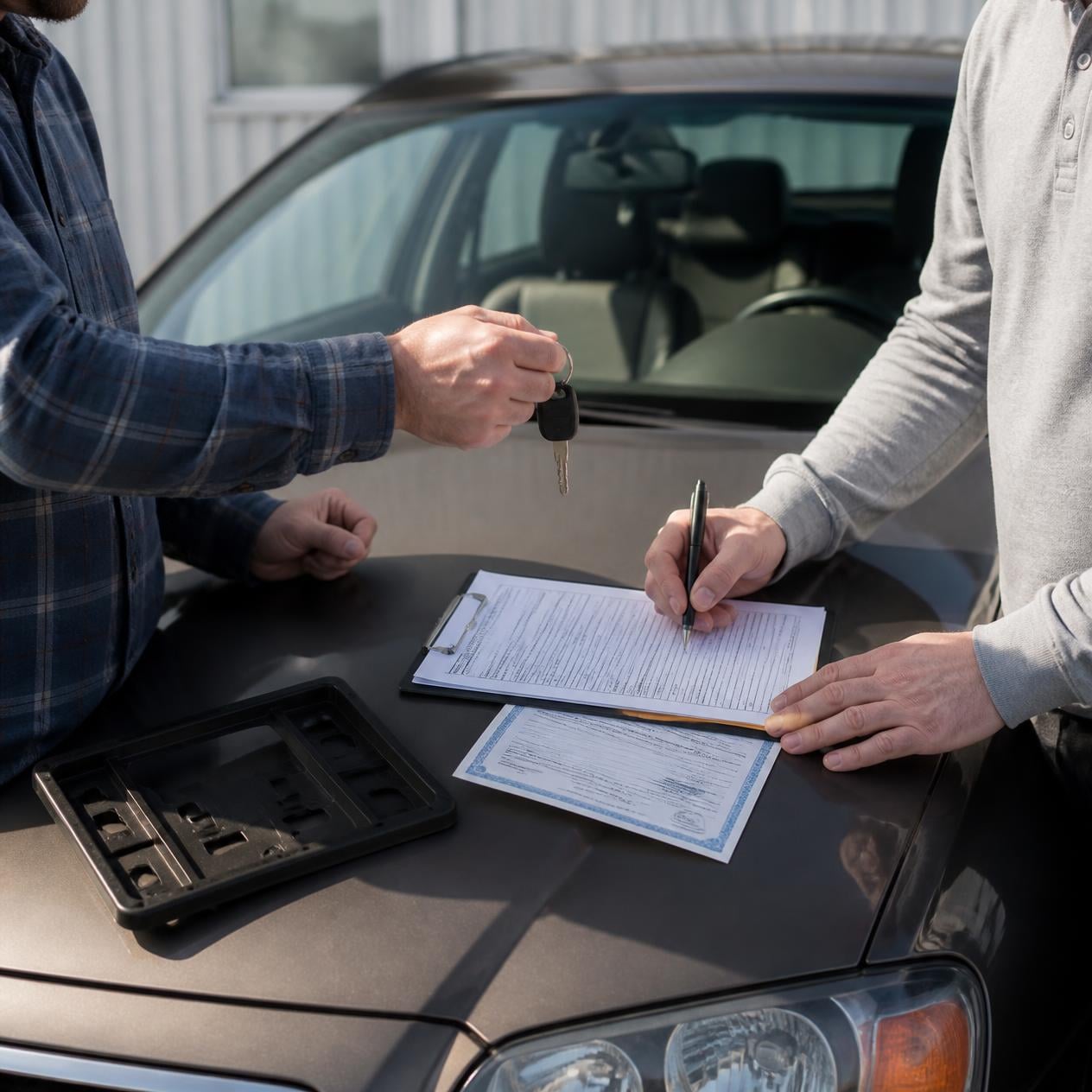
Bill of Sale: While not always mandatory in South Carolina, a bill of sale is highly recommended. It serves as a receipt for your purchase and should include the vehicle's information, sale price, and signatures from both the buyer and seller.
VIN Inspection: The Vehicle Identification Number (VIN) on the title must match the VIN on the car's dashboard or door jamb. This check confirms you are buying the correct vehicle.
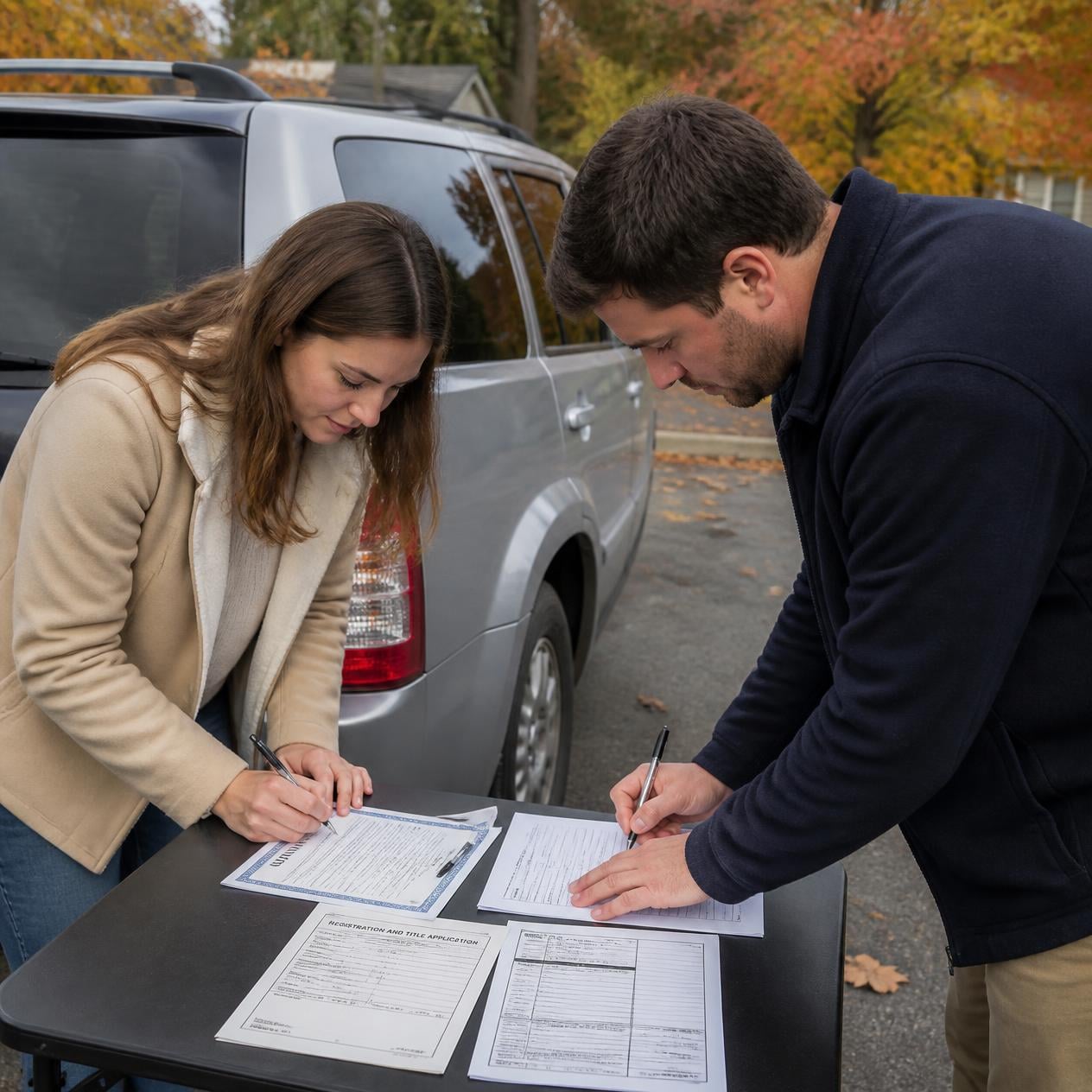
South Carolina Sales Tax Form: You will need to pay sales tax when you register the vehicle. Form 400 (Application for Certificate of Title/Registration) is typically required for this purpose.

The Critical Importance of a Thorough Inspection
When buying a used car from a private owner, a detailed inspection is your best protection against future problems. Don't just take the seller's word for it; see for yourself.
How to Properly Inspect a Vehicle
Exterior Check: Walk around the car looking for rust, dents, and mismatched paint, which could indicate a past repair. Check the tires for uneven wear and test all exterior lights, including headlights, taillights, and turn signals.
Interior Check: Sit inside and examine everything you would touch. Check the dashboard, seats, and pedals for excessive wear. Turn the key and test the air conditioning, radio, and any other electronic features.
Under the Hood: Open the hood and look for any fluid leaks or heavy dirt around the engine. Check the oil and other fluid levels. Look at the belts to see if they are cracked or look old.
The Test Drive: Never buy a car without driving it first. Pay attention to how it steers, brakes, and accelerates. Listen for any strange noises or vibrations and ask the seller about anything that feels off.
Get a Professional Opinion: If you aren't a car expert, it is always a good idea to have a trusted mechanic perform a pre-purchase inspection. The small fee can save you from buying a vehicle with hidden, costly issues.
How to Conduct a Safe Transaction
Safety should be a top priority when meeting a private seller. Following these tips will help ensure your transaction is secure.
Meet in a Public Place: Arrange to meet in a well-lit, busy public location, like the parking lot of a police station or a shopping center.
Bring a Friend: Never go alone. Having another person with you adds a layer of safety.
Verify the Seller's Identity: Ask to see the seller's driver's license and confirm that the name matches the name on the vehicle's title.
Use a Secure Payment Method: Carrying a large amount of cash can be risky. Consider using a cashier's check or an instant online payment service.
Trust Your Instincts: Be wary of deals that seem too good to be true or sellers who are hesitant to provide proper documentation.
Don't Skip the Vehicle History Report
Before you even start negotiating, one of the smartest moves you can make is to get a vehicle history report. Services like CARFAX or AutoCheck can reveal critical information for a small fee.
Accident History: See if the car has been in any reported accidents and how severe they were.
Maintenance Records: A good service history is often a sign of a reliable vehicle.
Ownership History: A car with a single owner is often better maintained than one that has changed hands multiple times.
Title Problems: The report will flag major issues like a salvage, rebuilt, or flood-damaged title that can seriously impact the car's value and safety.
Simplify Your Search with KarKiosk
Finding reputable used cars for sale by owner in South Carolina can be time-consuming. KarKiosk is designed to make the process easier and safer. With a wide selection of listings from verified private sellers, you get the transparency you need to make an informed decision. Our smart search filters help you narrow down options by make, model, price, and location, while our dedicated customer service team is ready to assist you.
Final Thoughts
Buying a used car from a private seller in South Carolina is a fantastic way to find an affordable and unique vehicle. By doing your homework, performing a thorough inspection, and handling the paperwork correctly, you can drive away in your new car with confidence. Take your time, verify every step, and always get a vehicle history report. Happy car hunting!
Frequently Asked Questions (FAQs)
1. Do I need a bill of sale to buy a car from a private seller in South Carolina?
While not legally required by the state, a bill of sale is highly recommended. It acts as a formal record of the transaction, protecting both the buyer and the seller by documenting the sale price, date, and vehicle details.
2. How do I pay the sales tax on a private car purchase in SC?
You will pay the Infrastructure Maintenance Fee (IMF), which is South Carolina's vehicle sales tax, when you register the car at the South Carolina Department of Motor Vehicles (SCDMV). The tax is 5% of the sales price, capped at $500.
3. What should I do if the seller's name doesn't match the name on the title?
You should stop the transaction immediately. If the person selling the car is not the legal owner listed on the title, they do not have the authority to sell it. This is a major red flag for potential fraud or a stolen vehicle.
4. Can I test drive the car before I agree to buy it?
Absolutely. You should never buy a car without test-driving it first. A test drive is essential for checking the vehicle's brakes, steering, acceleration, and overall performance. If a seller refuses to let you test drive the car, walk away from the deal.
5. Is it better to pay with cash or a cashier's check?
A cashier's check is generally safer for both parties than carrying a large amount of cash. It provides a verifiable and secure form of payment. Some sellers may prefer cash, but you should prioritize your safety and choose a secure method you are comfortable with.