

Bill of Sale Aug 31, 2026
Selling your vehicle privately will be a much easier task than most realize. Many drivers who choose to sell their cars privately are able to sell their cars for more money because they do not trade them in at a low trade-in value to have a dealer sell them. When you sell your vehicle privately, you control every aspect of the sale; you set your price, negotiate with potential buyers directly and sell your car for exactly what it is worth.
To sell your vehicle privately you must have an adequate amount of knowledge about how to handle private car sales in Vermont – this includes all of the state-specific paperwork needed to complete the transaction, pricing strategies that provide you with the best return on investment, and security measures to protect yourself during the sale. This guide will provide you with all the information you need to successfully complete a private sale of your vehicle in Vermont.
This guide will provide you with all of the steps you need to take, what documents the Vermont DMV requires, and how to make the private sale process easier than ever with the help of modern selling platforms.

The Procedure for Selling Your Vehicle Privately in Vermont
The process for selling your vehicle privately will follow a specific sequence of events. Follow the steps below to sell your vehicle privately and have a successful, lawful, profitable transaction.
1. Get Your Vehicle Ready for Sale
Having a good first impression on your potential buyers is the key to making a sale. The first step in the selling process is to prepare your vehicle for sale by achieving a high degree of cleanliness inside and out. You may also want to get your vehicle professionally waxed to make it shine. You should also consider cleaning your vehicle’s interior to remove any odors.
You should take care of any minor problems with your vehicle, such as replacing any burned-out bulbs and ensuring your vehicle has full fluid levels. A well-maintained vehicle is indicative of how much you cared for your vehicle.
2. Offer an Attractive Offering for Your Vehicle
Consider finding a sale price that is likely to be an attractive offer at an agreed upon selling price. Use the Internet to get an estimate of your vehicle's "market value," and compare your car to the sales prices of other similar-quality vehicles sold in your area of Vermont recently. Price your vehicle at a somewhat above your lowest price to provide for negotiation when selling your vehicle.
3. Compose A Compelling Listing
Your car listing will serve as your sales pitch to potential buyers; therefore, it is important that you provide a clear and detailed accounting of all the benefits associated with your vehicle (recent maintenance, fuel economy, etc.). To build trust with potential buyers, it is helpful to disclose to them all known defects, regardless of how minor they may be.

4. Take High Quality Photographs
You should take a minimum of 15-20 photographs (in good lighting) of the car, showcasing multiple angles of the exterior, detailed views of the interior, a dashboard photograph (indicating mileage) and an engine bay photograph. Clear and professional quality photos have the very real potential to significantly increase the interest of potential buyers in your vehicle.
5. Screen Potential Buyers and Schedule Test Drives
Once you begin to receive inquiries regarding the sale of your vehicle, you should respond to all inquiries as quickly as possible. Before you schedule a meeting with any potential buyers, you should ensure that they are serious buyers. You should select a safe and publicly accessible location in Vermont (such as a large shopping mall or a police station parking lot) to conduct any test drives.
6. Negotiate and Sell the Car
Expect potential buyers to attempt to negotiate the sales price down from the actual value of your vehicle. Being firm and confident regarding the value of your vehicle will demonstrate your seriousness as a seller to the buyer, and price negotiations will be conducted in as respectful and polite a manner as possible (within your predetermined price range). Once you have agreed to the sale price of your vehicle, you will begin the paperwork process associated with the transaction.
Documentation Needed to Complete the Transfer in Vermont:
In order to complete the title transfer of a car in Vermont, you must have all the right documentation prior to the test drive or the actual sale of the car. Having this documentation prepared in advance will help facilitate the timely and efficient transfer of ownership from the Seller to the Buyer.
The Certificate of Title:
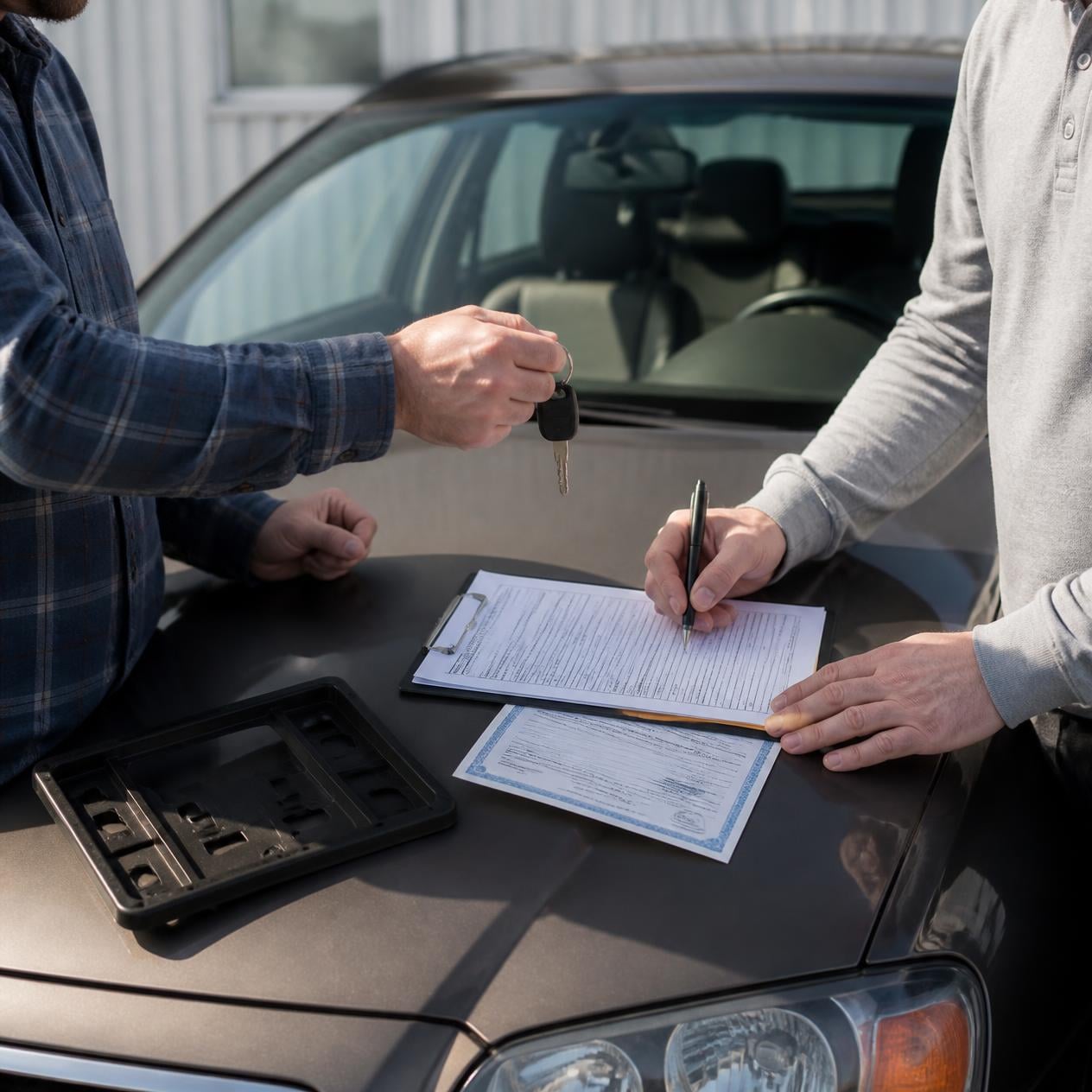
On the back of the Certificate of Title, complete the section titled “Assignment of Title” in full. Record the Buyer’s full name, Buyer’s address, Buyer’s current odometer reading and, the date Sale is completed.All titled owners must sign exactly as it appears on the front of the certificate. You cannot use white-out and any changes will void the title.
Bill of Sale & Odometer disclosure statement (TA-VT-05):
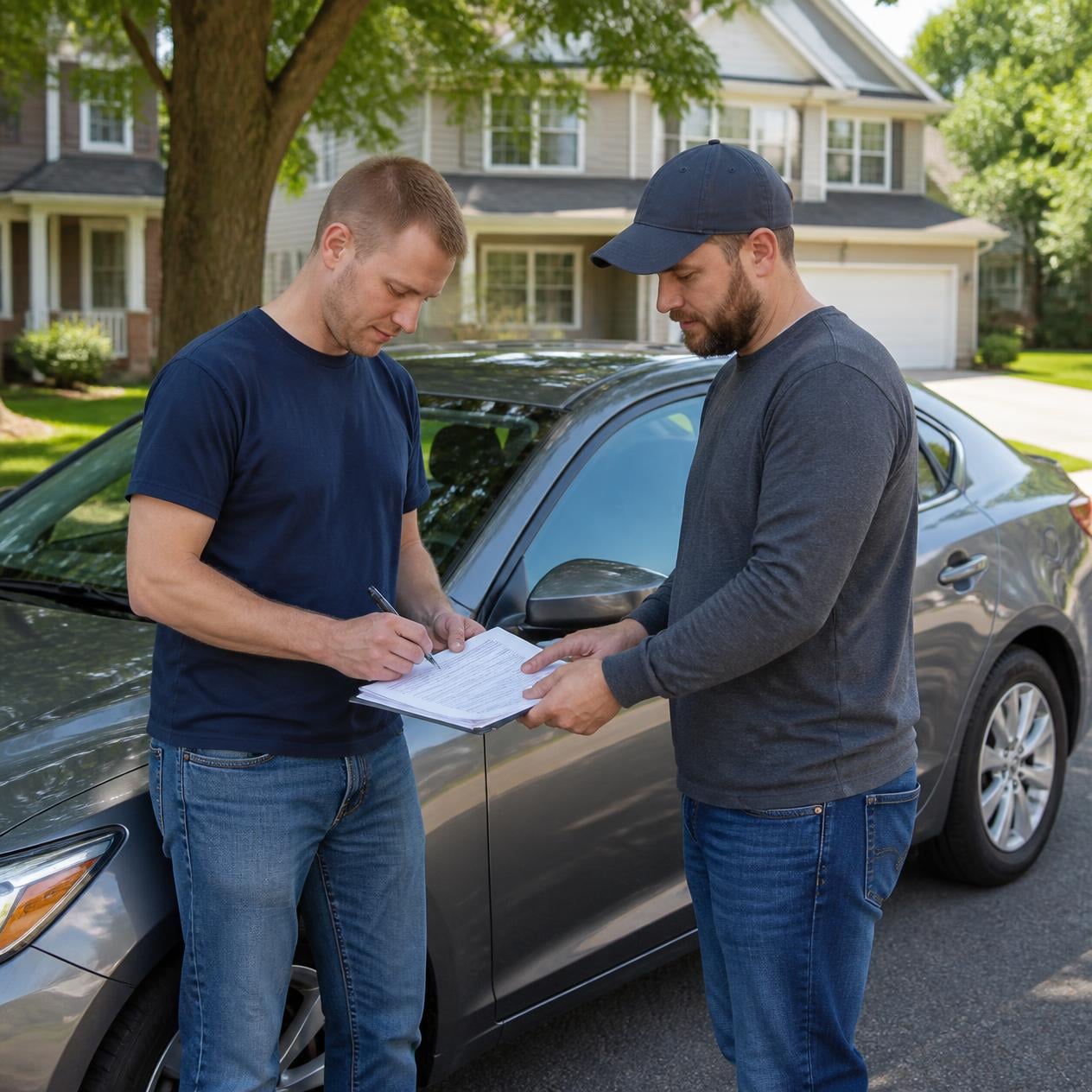
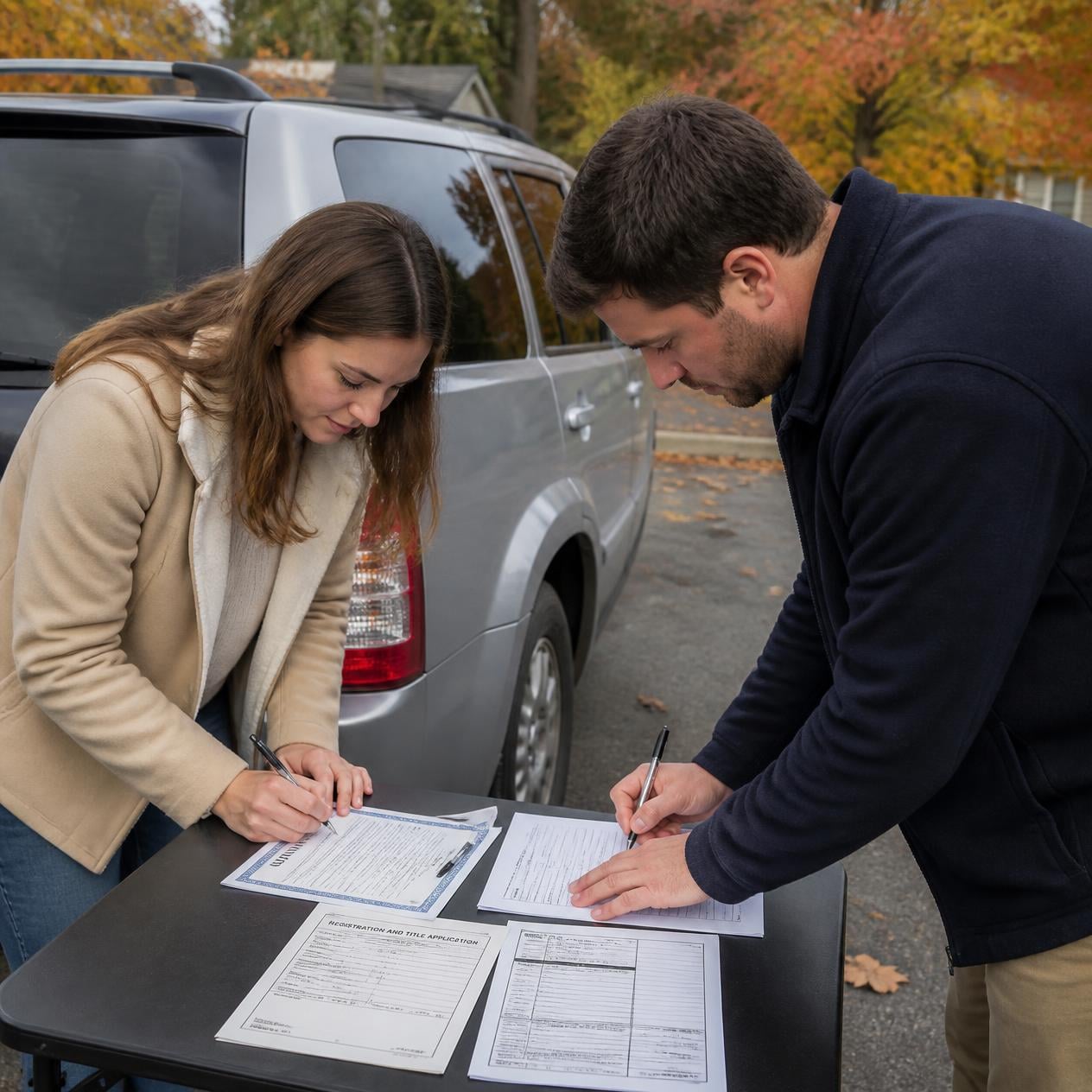
It is necessary also for you to provide a Bill of Sale & Odometer disclosure statement (TA-VT-05). In Vermont every sale of a privately owned vehicle must be initiated with an official Bill of Sale as your legal receipt; The Bill of Sale must contain at a minimum a year, make, model, VIN#, purchase price, date of sale, and signatures from both the seller and buyer.
Lien Release (when applicable):
If you owe money on the vehicle, the note must be paid in full before the sale is completed and you must give the buyer proof from the lending institution that you have paid off the lien.
Title Exemptions;
Vehicles made on or before 2008 are not required to be titled in Vermont. You will have to give your buyer an official Bill of Sale, as well as a copy of your last registration certificate.
License Plates:
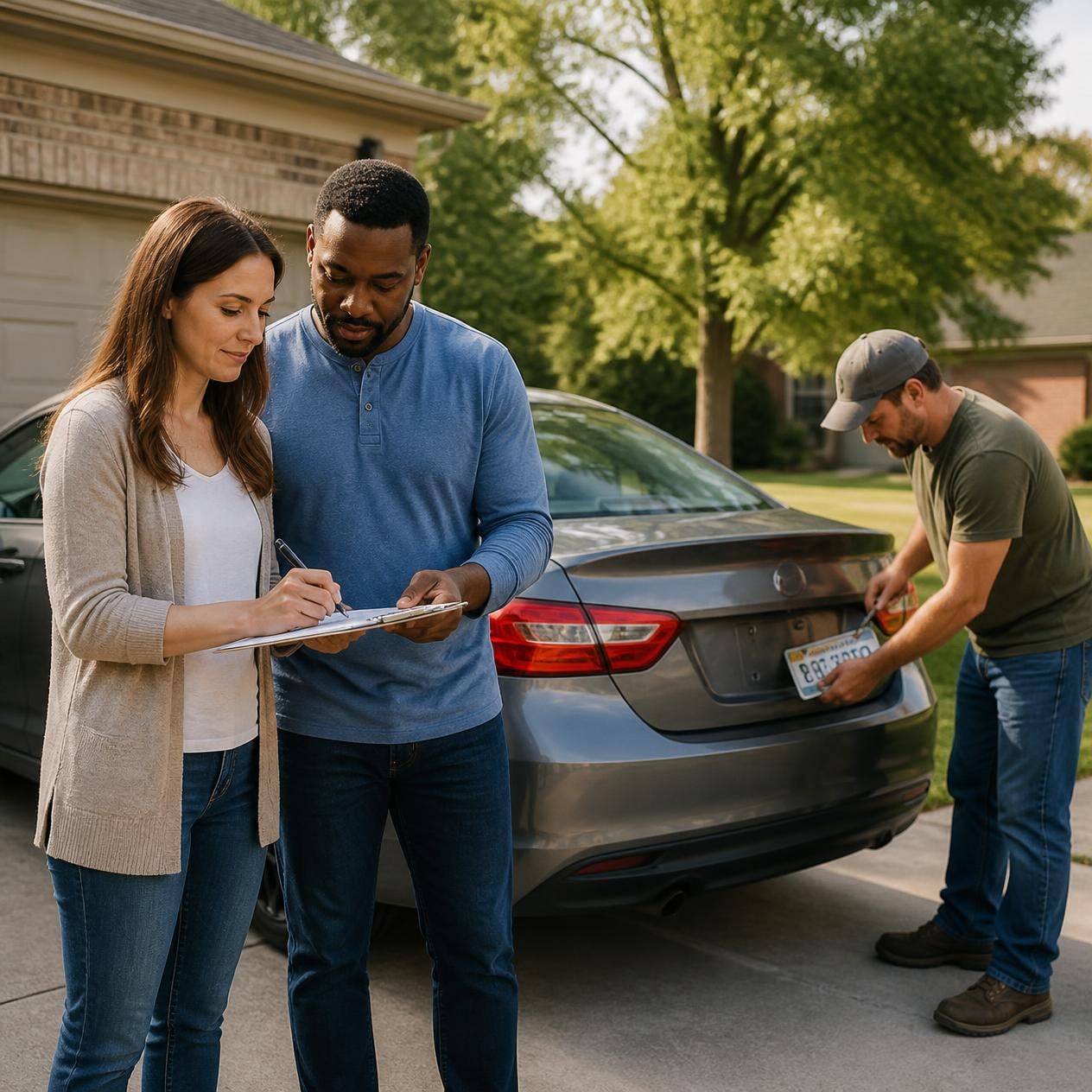
The seller owns the plate, so the seller should remove the plate from the vehicle prior to transferring possession to the buyer. The seller may transfer the plate to their new vehicle or return it to the DMV.
Safe Conduct Guidelines for Private Vehicle Sales:
When conducting any type of vehicle sale transaction with an individual you don't know, safety for yourself and the security of your money should be your priority. Here are some guidelines to help ensure that both you and your money are secure:
Public Meeting Area:
Do not allow a stranger into your home. Meet in a safe, well-lighted location that has many people around you. Most local police departments in Vermont have designated safe exchange zones for conducting safe online transactions.
Take Someone With You:
Bringing another person with you adds an additional layer of security and provides a witness to the sale.
Confirm Identity:
Before allowing the buyer to take the vehicle for a test drive, check to see the buyer's Driver's License.Take a photo of the area for reference.
Test Drive:
Always accompany the buyer on the test drive and agree on a short, set route before the test drive.
Payment:
Do not accept personal checks. For lower-priced cars, you can accept cash, but for more expensive cars, you will require a cashier’s check from a local bank. For the quickest transfer of ownership, arrange to complete the transaction at the buyer’s bank, giving you instant confirmation of funds.

Advantages of Selling Cars Through KarKiosk in Vermont
If you choose to sell your car independent of a platform you will need to coordinate various platforms and types of content. Using a professional dedicated platform, such as KarKiosk, simplifies the entire experience for you as a seller.
Multiple Platforms with One Listing: On a single listing, KarKiosk lists your vehicle in multiple places, providing you with maximum visibility to potential local Vermont buyers.
Private Communication: You will keep your phone number private and you will be able to communicate safely with potential buyers through a built-in message center using either voice or text.
Free Vehicle History Report: When listing your vehicle with KarKiosk, we will provide you with a free vehicle history report. This report can be viewed by potential buyers to build their confidence and help establish the price you request for your vehicle.
Instant Offers: If you want to sell your vehicle quickly, you will have the ability to connect with direct buyers and partner buyers on KarKiosk to receive an instant offer.
Professionally Enhanced Photos: As a KarKiosk seller, you will receive free KarStudio credits to enhance your vehicle’s photos professionally. Enhanced images will have distracting background elements removed from the images, making your vehicle stand out.
Additional Tips for Selling Your Car
If you want to sell your car fast and for a high price, here are some additional tips.

Organize Maintenance Records: Keeping receipts for engine oil changes and repair work will show a potential buyer that you have kept up the care of the vehicle they are considering purchasing from you. Buyers also particularly appreciate documentation showing separate history.
Be Upfront: You want to tell the buyer if there is a grinding noise in the brakes or if the air conditioner is not working properly. Telling the buyer prior to them test driving your car builds tremendous.
Amount of Trust: It can also keep the buyer from deciding not to purchase your vehicle once they take it for a test drive.
Make It Neat: Removing any personal belongings, bumper stickers, and trash from inside the vehicle allows a potential buyer to envision themselves owning the car you are selling to them.
Know the Market: Winter in Vermont means cars with all wheel drive. If you are selling a Subaru or SUV, make sure to emphasize what your vehicle can do in winter conditions. Also, selling your vehicle prior to winter can increase your sales price.