

Bill of Sale Aug 31, 2026
If you are traveling throughout the Washington State, also known as The Evergreen State, and planning to purchase a vehicle, it is important to find a car that fits your budget, whether you are experiencing the big city sights of Seattle, taking off for a San Juan Island weekend getaway, or commuting in Spokane.
Many people believe that the only trustworthy place to purchase a new or used vehicle is from a dealership. What most people don't know is that there is a significant market existing for private sales of vehicles that generally goes overlooked. In this article, you will learn how to make a successful purchase of a used car from the car's owner in Washington State while saving money and avoiding the common mistakes made by most vehicle buyers.
Purchasing from a private seller is like going camping in the woods without a map; with the right tools and information, you will be able to navigate confidently through the forest to get you to the right home behind the wheel of a vehicle without having to pay the dealer markup.
We will help you identify online sources for hidden treasures, perform safe transactions with private sellers, and complete the necessary paperwork for your state of residence to finalize your purchase. You are going to become an expert at buying used vehicles from private sellers in Washington.

Benefits of Buying from a Private Seller
While it may be easy to purchase a vehicle from a dealership because of the convenience, purchasing from the seller directly has its own benefits. If you are looking to save money on a vehicle in Washington State, you will want to take time to consider these benefits.
Potential for Cost Savings: This is the best perk! A private seller has no operating expenses associated with operating a dealership, such as paying for the rent associated with the dealership's showroom, sales commission, or high marketing expenses, and therefore these savings are transferred directly to the buyer. You may find that you can buy a car from a private seller at hundreds or even thousands of dollars less than you would from a dealer.
Less Pressure: You’ll experience less pressure selling techniques from "hard-sell" salespeople when buying a car from a private seller vs. from a dealer. Private sellers are interested in selling their vehicle; they're not going to pressure you to consider extended warranties, financing options, or expensive add-ons that you probably do not need. You’ll feel far less anxious negotiating with a private seller; you're just having a casual conversation with another individual.
You’ll Have More Knowledge of the Vehicle's Past: The person who drives a vehicle every day knows the vehicle inside-out, better than anyone else. A private seller will be able to give you insight into the vehicle's maintenance history, how they drive, and any quirks or characteristics that have developed over its lifespan.
This type of knowledge is something that you will not get from a salesperson who has only driven the car for a few days. The openness and transparency of a private seller can provide you with the reassurance you need while making a purchase.
On the other hand, buying privately does present some challenges. You'll need to put in more effort when buying from a private seller than if you buy from a dealer, including the need for inspection and paperwork.
Pros of Buying from a Private Seller | Cons of Buying from a Private Seller |
Lower prices due to no overhead costs. | No warranties or guarantees are offered. |
No pressure from commissioned salespeople. | The buyer is responsible for all paperwork. |
Direct access to the vehicle's history from the owner. | Higher risk of fraud or scams if not careful. |
Simpler, more direct negotiation process. | Limited or no financing options available. |
Potential to find unique or well-maintained vehicles. | The inspection process falls entirely on the buyer. |
Finding the Right Private Car in Washington: Your Search Strategy
Now that you know what you want in a privately-owned vehicle, how do you start your search? The best way to find a privately-owned car in Washington will require more than one method.
Specialty Websites: KarKiosk and other similar websites provide potential buyers and sellers with a safe way to buy and sell cars. You can find many different makes and models, priced according to your location and budget, in a matter of seconds. These websites also help to create a safe buying/selling experience for both the buyer and seller.
General Websites: Facebook Marketplace, Craigslist, and all of the other large classifieds websites have become popular places for sellers to advertise their cars for sale. To use these types of sites effectively, make sure to use specific searches such as "For Sale By Owner Washington" or "Private Vehicle Sale Seattle" when searching. Keep an eye out for scams on these larger sites.
Word-of-Mouth: You should always consider the power of your personal network. Ask friends, family, and coworkers if they know someone who is selling a used car. You may be surprised by how many people in your network are looking for the same type of vehicle that you want to purchase. After you see a vehicle that you’re interested in, get it inspected!
Car Inspections Prior To a Purchase Checklist
Having a thorough inspection done on a car is the best way to protect yourself from purchasing a car with unknown issues. While you may not be an expert at mechanic work, if you take time to complete a good visual inspection, you can learn a lot about the car. If you're serious about purchasing a vehicle, always check to see if a qualified mechanic will provide a pre-purchase inspection on the vehicle you wish to purchase; this is a relatively small cost that could save you tens of thousands of dollars in repairs later.
Here is a simple checklist to use:
1. Exterior Inspection:
Walk around the vehicle and inspect the exterior of the vehicle for dents, significant scratches and rust damage.
Look for any signs that there is an uneven gap between the panels where the body of the car is attached together, which might be indicative of an accident in the past.
Inspect the tires for wear and any signs of uneven wear on the tires may indicate that the vehicle is out of alignment.
Make sure you check all of the lights, including head and tail lights, brake lights and turn signals.
2. Interior Inspection:
Inspect the upholstery for any rips, stains or noticeable wear.
Turn the ignition on and test all of the electronics, including the air conditioning, heat, radio, power windows and locks.
Check the dashboard for any warning lights that remain illuminated after starting the car.
3. Road Test:
Be sure to plan a route where you can test the vehicle on both city streets and highway driving conditions.
Listen carefully for any sounds that appear to be out of the ordinary from the engine or the brakes (ex. squeaking, grinding, knocking).
Testing the handling of the vehicle is just as important. If the car wants to pull away from you while driving, this is a good indication that something is not quite correct; likewise, when turning the steering wheel to the left or right and the steering wheel feels unresponsive, or requires more effort than expected.
Have a safe, open area to test the brakes. When using the brakes, if they are not firm, they don't work.

Exposing the Past: The Significance of Vehicle History Reports (VHRs)
Although you may visually inspect a vehicle for condition, there is only so much that can be observed visually. The VHR will provide you with information about the complete history of a vehicle. The Vehicle Identification Number (VIN) on the vehicle can be utilized by publications like CARFAX or AutoCheck to provide you with important facts about that vehicle. Some of the information a VHR includes are:
Accident History: The VHR will indicate whether a vehicle was ever involved in any reported accidents (including both minor fender benders and major accidents).
Title Status: The VHR will indicate if the title is "clean," or whether the title has a "salvage," "rebuilt," or "flood-damaged" designation; all branded titles are considered major warning signs.
Odometer Verification: The VHR will show you at what mileage each inspection and sale occurred; therefore, you can use this to help verify odometer readings and find any possible odometer discrepancies.
Service Records: The service records may be included in the VHR, which will allow you to get more insight into how well the vehicle was maintained.
Do not ever agree to purchase a used vehicle before first reviewing its Vehicle History Report. It is an inexpensive way to obtain vital information about a used vehicle.
Data Point | What It Tells You | Why It's Important for Washington Buyers |
Title Brands | Salvage, Rebuilt, Flood, Lemon | Crucial for identifying cars damaged by Washington's wet climate or from other states. |
Accident Indicators | Reports of minor to severe accidents | Helps you know what to look for during a mechanical inspection (e.g., frame damage). |
Last Reported Mileage | Odometer readings over time | Protects you from odometer rollback fraud, ensuring you pay a fair price. |
Number of Owners | How many people have owned the car | A car with one or two long-term owners is often a better bet than one with many owners. |
Lien Information | If there is an outstanding loan on the car | You cannot get a clean title in Washington if the previous owner's loan isn't fully paid off. |
The Last Steps For a Safe Transaction, and Paperwork for Washington State
You've selected your ideal vehicle, thoroughly inspected it, and examined its history; now, you need to complete the transaction. Safety and following appropriate procedures are the most important aspects of this step.
Safety First
Schedule a Public Meeting: Make sure to schedule a time and meet with your vehicle seller in a safe, public location when completing your transaction with that seller. For example, some police departments in cities such as Tacoma, and Vancouver have "safe exchange" locations in their parking lots.
Bring a Friend with You: Do not go alone. A companion (friend or family member) traveling with you enhances your safety.
Avoid Cash Payments: Carrying a large amount of cash is not recommended; therefore, the best option for payment is a cashier's check. Verify the seller's identity through their driver's license; confirm that the name on the driver's license matches the name on the title.

Paperwork for the Sale of a Vehicle in Washington
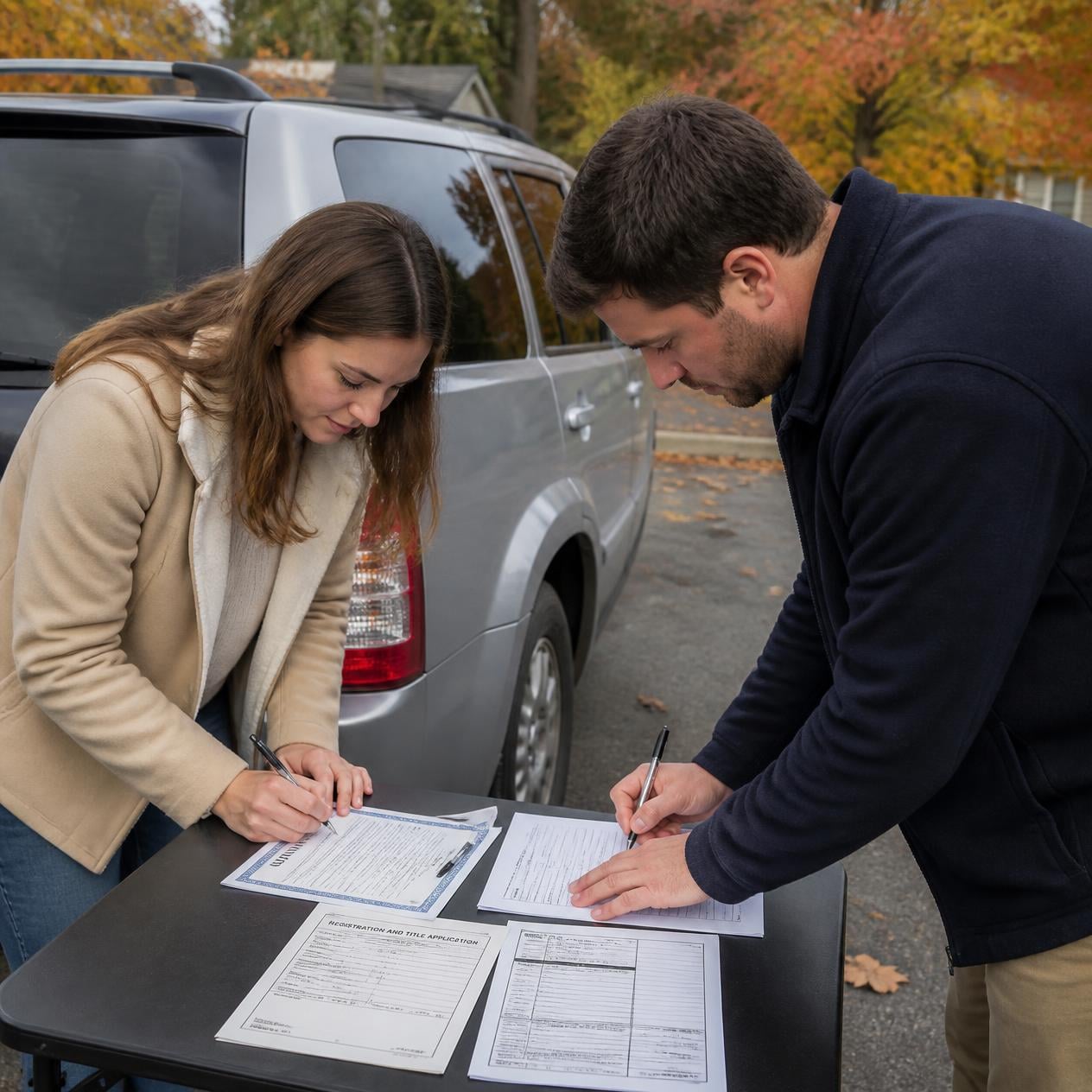
The correct paperwork must be completed to legally transfer ownership of a vehicle in Washington. To do this you will need:
Title - The title is the single most important piece of documentation that should be executed for the sale of a vehicle as it establishes ownership. The seller must sign the title to you as well as the lienholder (if applicable). Make sure to confirm that any lienholder on the front of the title has signed the release section. If the title is lost, a duplicate must be obtained from the seller before they can sell the vehicle to you.
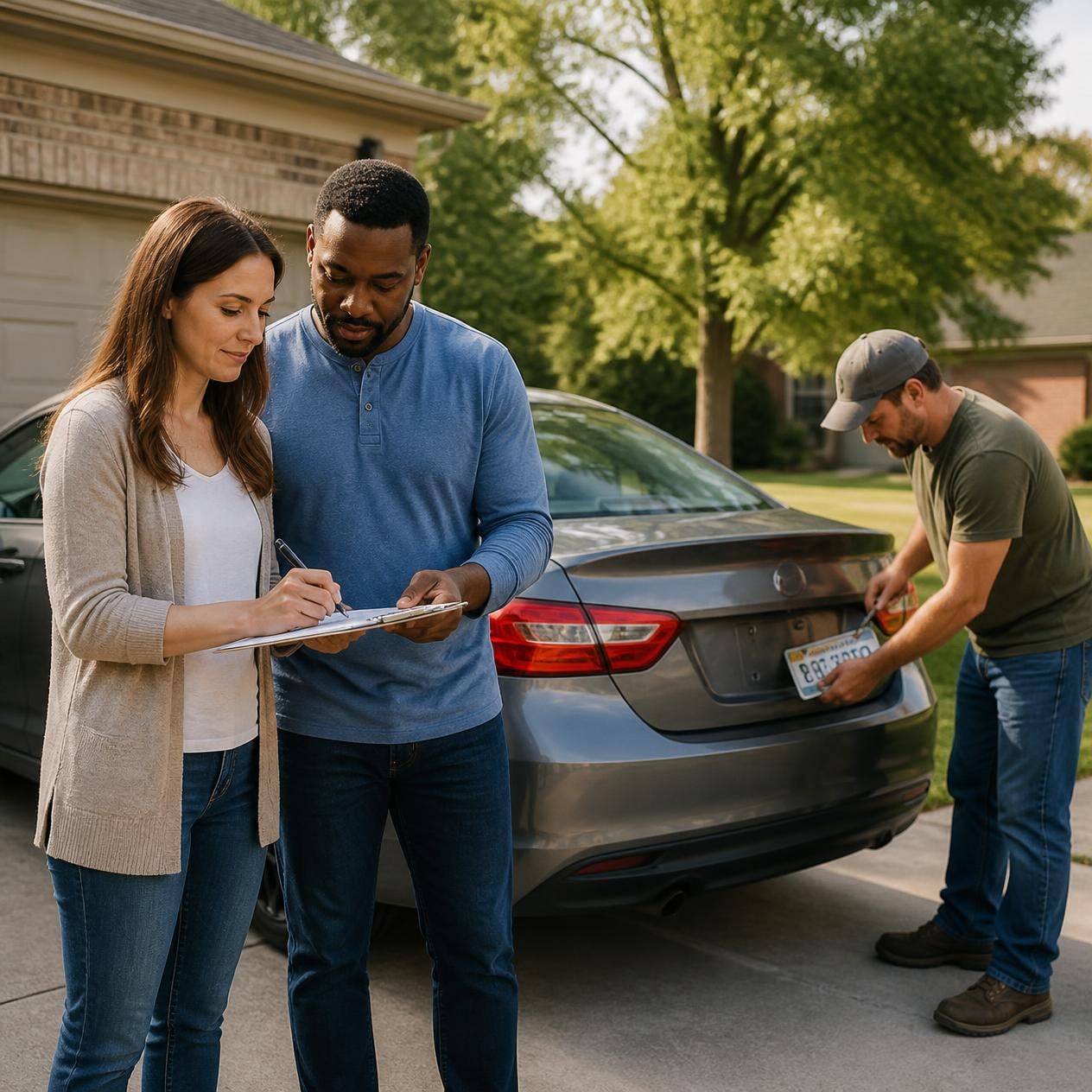
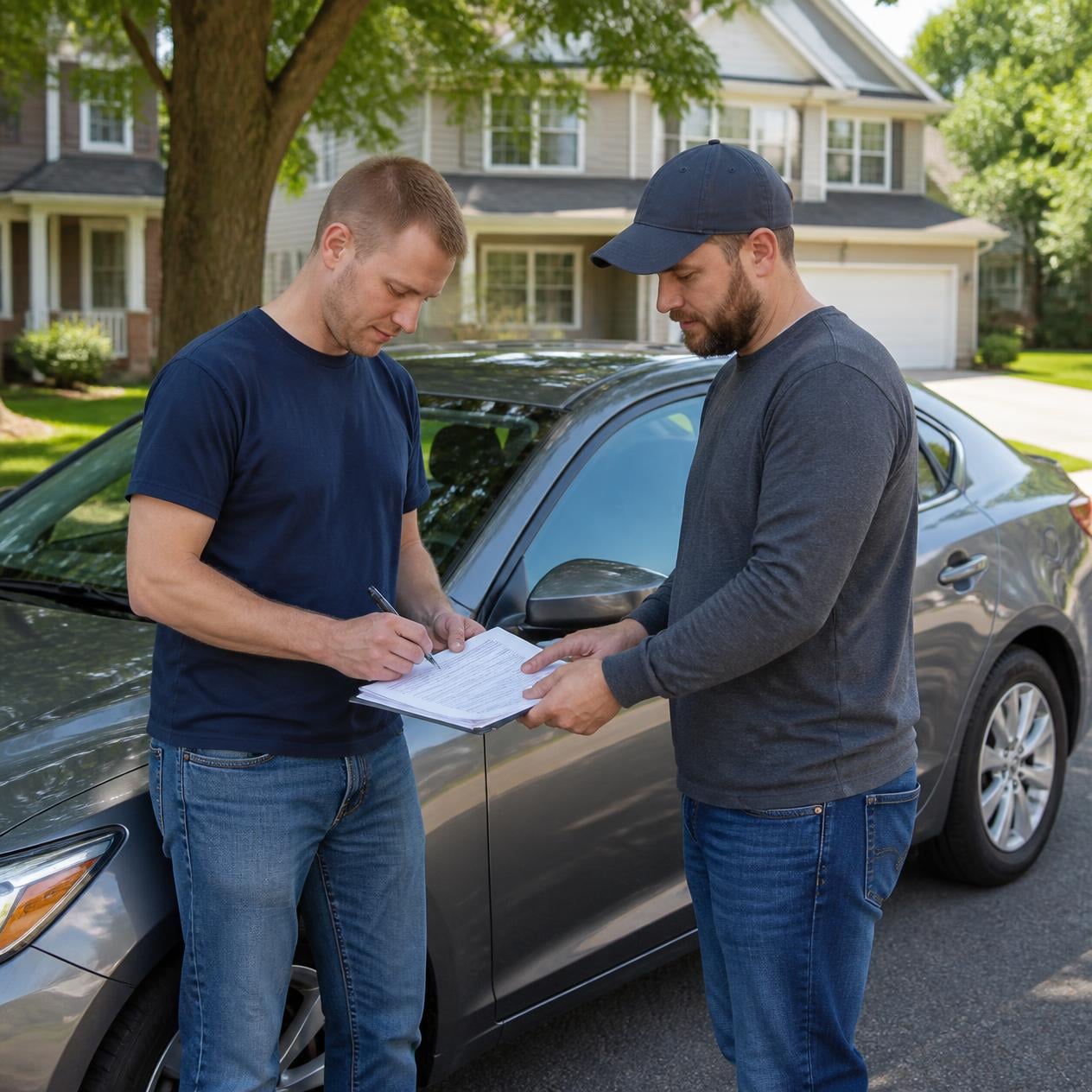
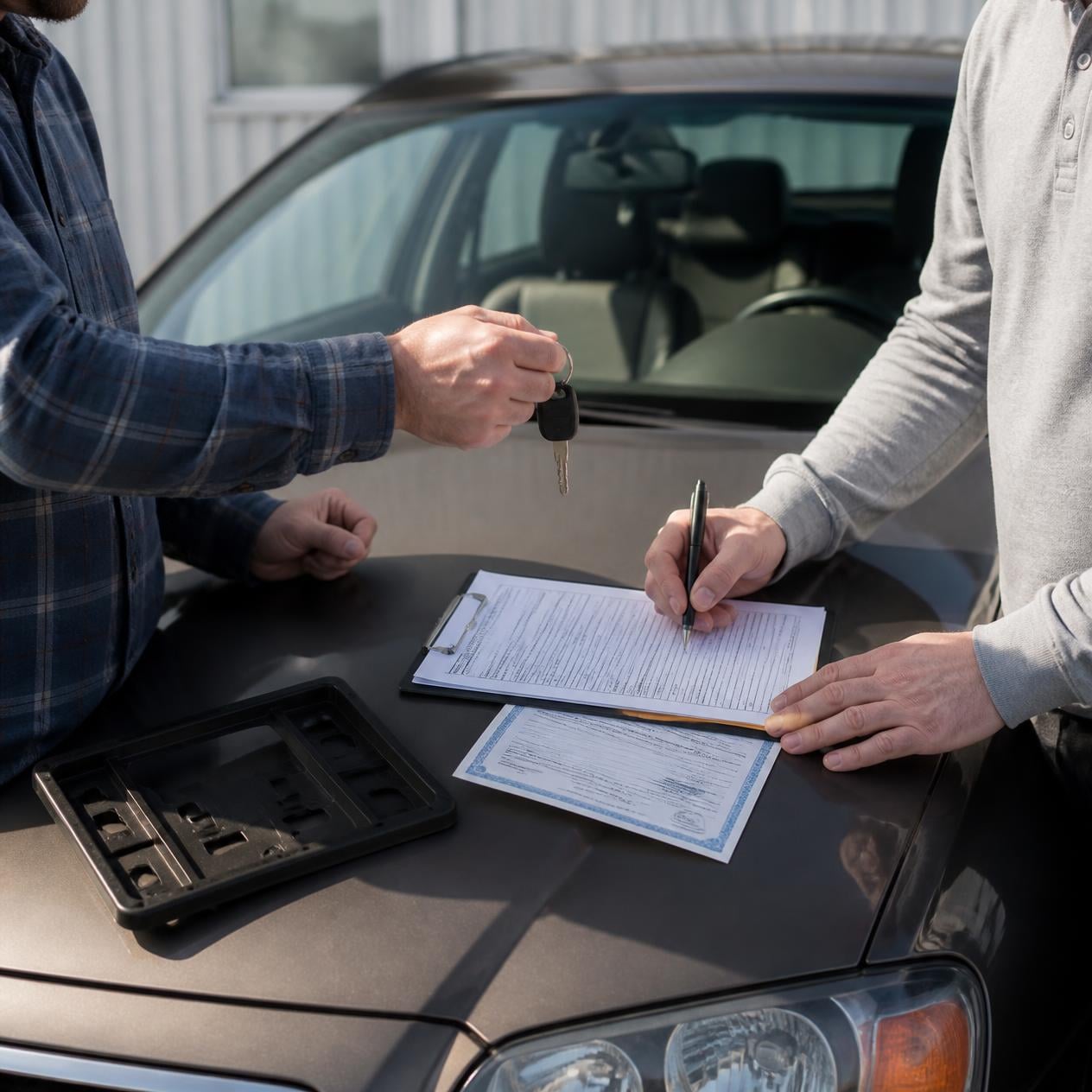
Bill of Sale - Although a bill of sale is not always required by law when the purchase price is written on the title, it is highly recommended. The bill of sale should identify the year, make, model, VIN, and purchase price of the vehicle, the date of the sale, as well as the full name and signatures of both the buyer and seller. The Washington State Department of Licensing has an official Bill of Sale form available.
Odometer Disclosure - For all vehicles that are ten years old or newer, both you and the seller must sign an Odometer Disclosure Statement. This statement can be found on the title, or it may be a separate form that the federal government provides.
After the sale of the vehicle, you have fifteen days to transfer the title into your name at a Washington Department of Licensing office or you'll be subject to financial penalties.

Now, let's find your next vehicle.
Finding a great deal on a used car by purchasing from a private seller in the state of Washington can be an excellent opportunity. If you are diligent in your search, thorough in your inspection process, and careful when it comes time to complete the transaction, you should be able to avoid the common mistakes associated with used car purchases and drive away satisfied with your new vehicle.
Websites like KarKiosk can help to streamline your search for a vehicle by providing a safe, dedicated space to connect with private sellers throughout the state of Washington.
With this information, you will now have everything you need to successfully navigate the private used car market as if you were a professional. Good luck and enjoy your car search!