

Bill of Sale Aug 31, 2026
Although it may initially feel daunting to sell your car through a private transaction in Connecticut, the outcome usually will be much better than trading it in at a dealership because of how dealerships operate. When you sell your car privately, you have control of what price you want to sell your car for, how you negotiate with the prospective buyer(s), and how long you want the transaction to take place.
You'll find all the necessary steps in the guide below, which will explain how to prepare your car for sale, how to handle the paperwork involved in selling your car, and once you find a buyer, how to complete the transaction in an effective way. In addition, there are many requirements by the state that a seller must be aware of before attempting a private sale in Connecticut. Therefore, in this guide, you will find all of the pertinent information needed to make your sale as smooth and profitable as possible.
Getting Started with Selling Your Car Privately
The benefits that come with a more profitable price point are one of the key benefits of making a private sale and selling directly to a buyer, rather than trading-in your vehicle. Because dealerships operate under the premise of making a profit, therefore the dealership will only pay you a wholesale value for your trade-in; In contrast by selling directly to the person who will ultimately be driving your vehicle, you can price it closer to the retail market value (the difference is yours to keep).
Selling privately not only gives you more financial advantages, but it also gives you full control over the sale process. You will determine the asking price, you will pre-qualify buyers, and you ultimately make the decision on who is permitted to test drive your vehicle. Although, there is a bit more work involved with doing things in this manner; there is the potential for significantly greater rewards.
With the help of platforms like KarKiosk, the steps to successfully connect with and sell to serious vehicle purchasers across Connecticut can be streamlined and create the tools necessary to securely facilitate the sale to multiple buyers.
Pros & Cons for Private Sale of Your Car in Connecticut
It is a big step when deciding to sell your car privately. However, when making this decision, you should weigh the pros and cons of selling your car privately vs. a dealership and then make an informed decision. The following is a breakdown of the pros and cons associated with selling your car through a private sale in Connecticut.
Pros of Selling Privately | Cons of Selling Privately |
Higher Profit Margin: You can set your price based on retail market value, not a lower trade-in offer. | Time-Consuming: The process involves creating listings, responding to inquiries, and meeting buyers. |
Full Control: You manage the entire sale process, from listing to final negotiation. | Handling Paperwork: You are responsible for correctly completing all legal documents, like the title and Bill of Sale. |
Direct Communication: You can talk directly with potential buyers, building trust and ensuring a good fit. | Safety Concerns: Meeting with strangers for test drives requires careful planning and safety precautions. |
Flexibility: You can choose when and where to meet buyers and are not tied to dealership hours. | Dealing with Non-Serious Buyers: You may have to filter through many inquiries to find a legitimate buyer. |
The Step-by-Step Process to Selling Your Car in Connecticut
Selling your vehicle privately is a simple process, but it involves a lot of steps. If you understand the steps, you will feel confident during this entire process so that you can have a successful sale.
Step 1: Get your vehicle ready for sale.
You will have more interested parties if the vehicle is cleaner and in better condition than if it had some wear. Also, you can charge more if you present your vehicle in excellent shape.
Deep Cleaning: Before selling your car, you should deep clean it. Wash and wax the outside of your vehicle, clean your windows, tires, and rims. On the inside of your vehicle, vacuum out your carpets, seats, and your trunk. Wipe down all of your surfaces including your dashboard and door panels. Consider hiring a professional detailer to detail your vehicle before selling it, as this can produce an excellent return on your investment.
Minor Repairs: You will not need to do a major overhaul to your vehicle, but you will want to make small repairs to help make your vehicle more appealing to potential buyers. Examples of minor repairs you may want to make include changing burnt out headlight bulbs, changing windshield wiper blades, and adding fluid (oil, windshield washer, brake fluid, etc.).
Collect All of Your Records: You should collect all of your maintenance and service records. Having all of your maintenance records collected and available to your potential buyers will build trust and confidence with your buyers regarding your vehicle's history.

Step 2: Gather the Required Documents
Having the paperwork you need to complete the sale is very important for a smooth and legal sale in CT. This is also very important, as lack of documents when selling can kill a sale; therefore, it is best to have the following documents completed before finding a buyer for your car.
Certificate of Title: This document proves that you are the legal owner of your vehicle and is the most important document you will need to sell your vehicle. If you owe on the vehicle (have a lien), you will need to pay off the lien before you can sell the vehicle and then have the lien holder remove the lien on your vehicle before they can give you the "clean title." If you have lost your title or your title has been damaged, you can get a duplicate title through the CT DMV, by completing a form H-6B.
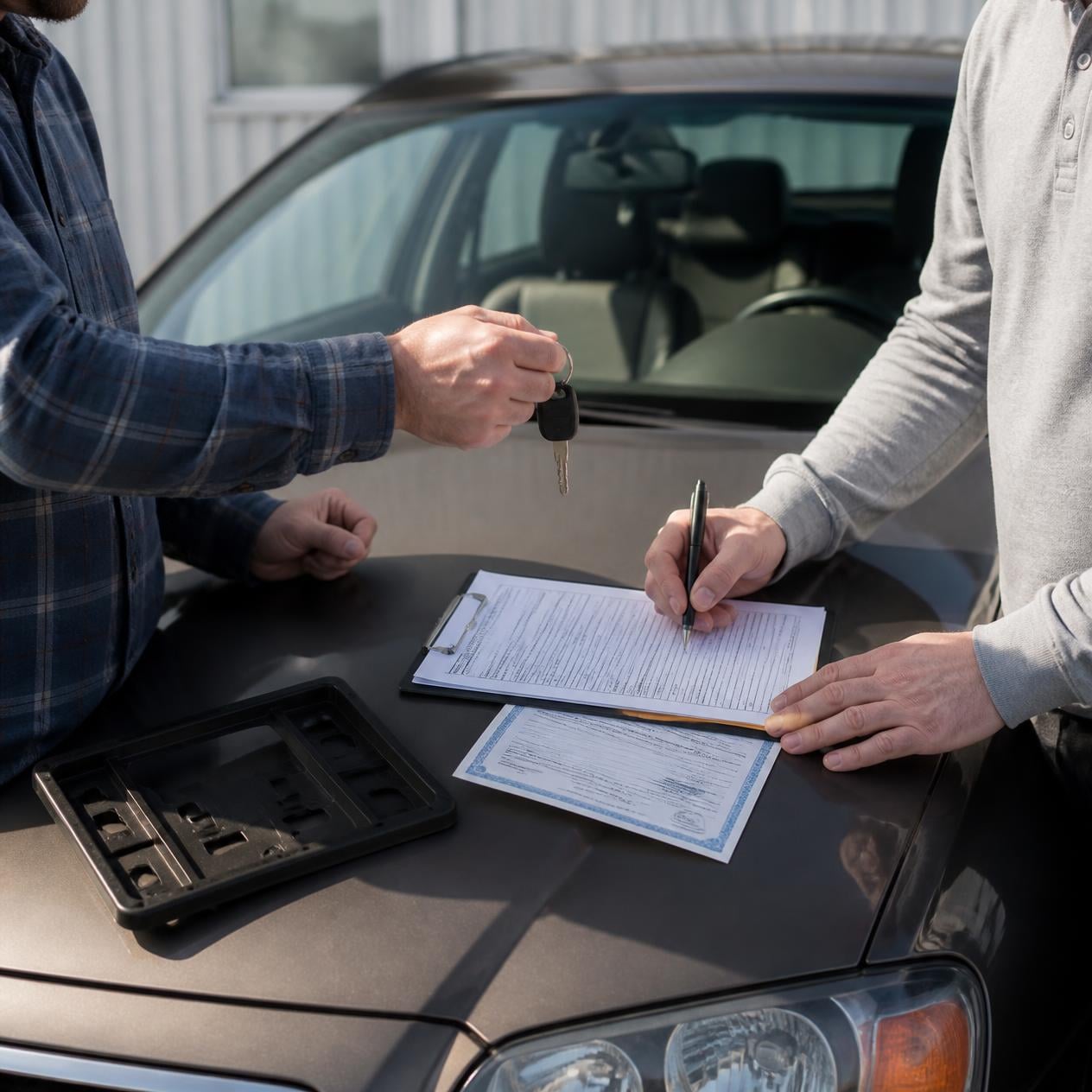
Bill of Sale (H-31): In CT, a Bill of Sale is required for all private sales of vehicles. The Bill of Sale must include the VIN, make, model, purchase price, sale date, signature of the buyer, and signature of the seller. Both you and the buyer must keep a signed copy of the Bill of Sale.
Emissions Testing Report: If your vehicle has a model year that is older than 4 years old and the last emissions test has expired, the buyer will need to obtain a new emissions test in order to register their vehicle. To make your vehicle more appealing, you should provide the buyer with documentation showing that the vehicle recently passed inspection.
Title Requirements for Older Vehicles
Connecticut has specific requirements for older vehicles.
Vehicle Age | Title Required? | Transfer Document |
Under 20 Model Years Old | Yes | Certificate of Title (signed over) |
20 Model Years Old or Older | No | Supplemental Assignment of Ownership (Form Q-1) or Bill of Sale + Last Registration |
Step 3: Determine a Competitive Price for Your Car
Finding the right price can be tricky. You don't want to scare buyers away by pricing it too high but you also don't want to sell it for less than what you should.
Research Similar Vehicles in Your Area: Use Kelley Blue Book (KBB) and Edmunds.com so that you have a base price. After you have a base price, compare similar vehicles priced in your area (Hartford, Stamford, New Haven...) and see how they are priced based on year, make, model, mileage, and condition of the car of the vehicle you have.
Determine Condition: You need to be honest about the condition of the car you are selling (excellent, good, or fair). The condition of one vehicle will determine that vehicle’s price depending on the condition (i.e., cosmetic damage, mechanical issues, upgrades).
Base Your Price Off of What You Are Willing to Sell For: Price your vehicle slightly above what you are willing to sell it for so that you can negotiate. For example, if you want to get $10,000 for your vehicle, list it for $10,800.

Step 4: Create an Eye-Catching Vehicle Listing
The listing is your vehicle's main selling point, so make it count. Listing services like KarKiosk will give you access to multiple sites to list your vehicle and expose it to as many potential buyers as possible, including social media sites.
Photo Quality: Photos will be your most important and final aspect of your vehicle’s advertising. Take at least 25 photos of your vehicle from every angle—front, rear, driver side, passenger side, interior, dashboard (reading odometer), engine, and trunk. A 30-second video walk-around of your vehicle is also a great tool.
Listing Detail: Provide as much detail as possible about your vehicle when creating your listing. Include the year, manufacturer, make, model, trim and mileage.Next, list features about the vehicle that will appeal to potential buyers (for example, four-wheel drive, brand new tires, or leather seating). Providing information about any issues or defects that you are aware of with the vehicle as being honest with potential buyers will help you to earn their trust.
Provide a Call to Action: At the end of the listing, you will want to tell potential buyers to reach out to you via a secure messaging system (ex. use a service provided by KarKiosk) in order to set up a time to see the car in person.

Step 5: Be Safe When Managing Buyers and Test Drives
This is where your interpersonal skills will come into play as you will likely receive many inquiries and you want to be organized and keep safety a top priority.
Screen Potential Buyers: Before you meet with a potential buyer in person, you should use a secure messaging system to communicate with them first. You can ask them some basic questions to figure out if they are a qualified buyer (e.g. have they been preapproved for a car loan? When are they ready to buy?)
Choose a Safe Area to Meet: You should never have a potential buyer come to your home and meet you there. You should always meet in a public area that is well lit. Many local police departments have designated areas for "safe exchanges," which you could also use to meet up with your potential buyer. Busy retail areas during daylight hours are also recommended locations to meet with your buyer.
Accompany Buyer on Test Drive: You should always accompany a potential buyer during any test drive. Always ask the buyer for their driver's license before they get in the vehicle for the test drive and take a picture of their driver's license with your cell phone prior to the test drive.
Step 6: Complete the Sale
Once you and the buyer have agreed on a price, it is time for you to complete the transaction.
Secure Payment: Only accept secure payment forms.Cashier's checks issued by banks offer one of the safest ways to receive payment. You could also meet the buyer at his or her bank for an in-person witness of the check's issuance. Personal checks and wire transfers are not recommended due to the potential for fraud.
Complete the Paperwork
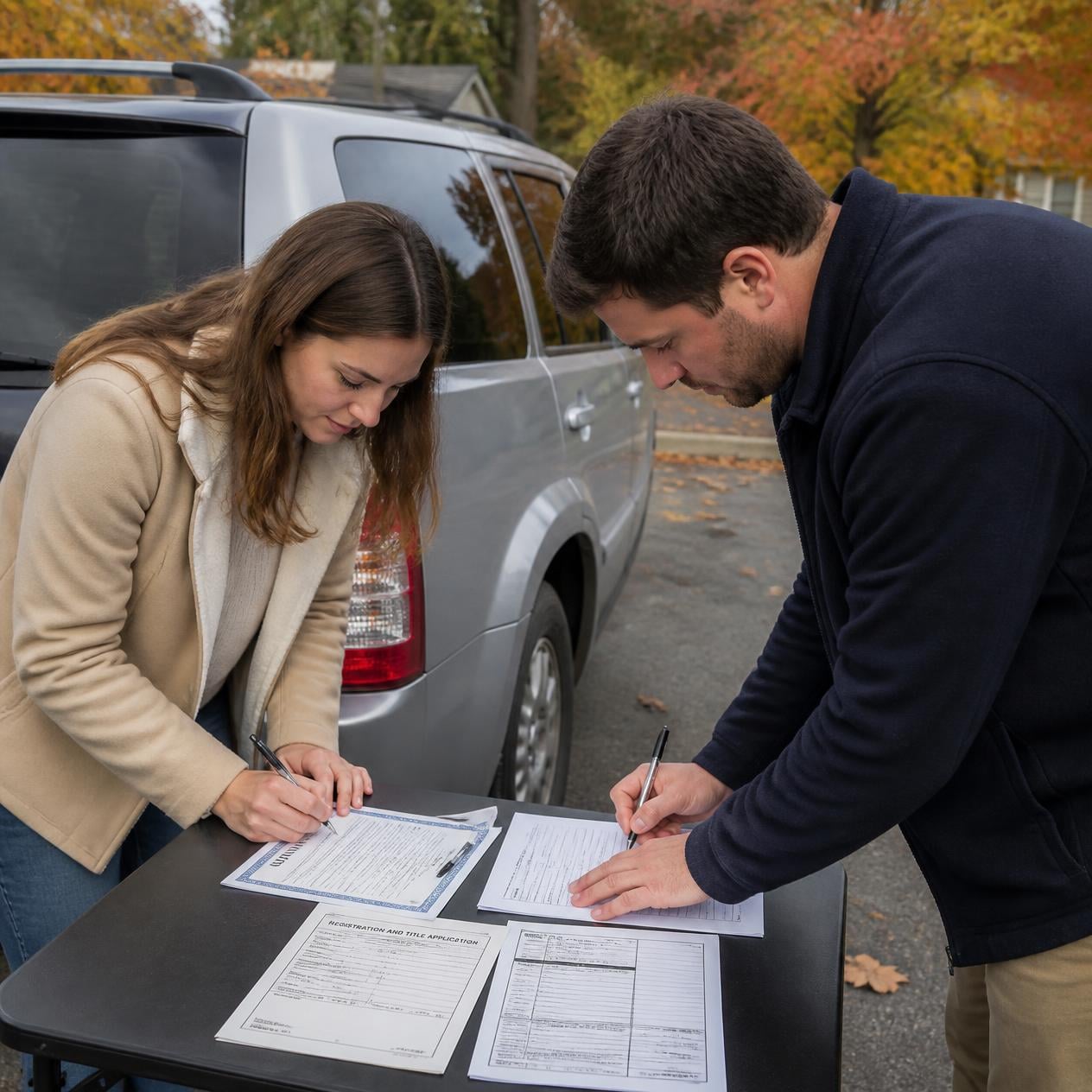
Sign the Title: In Connecticut, you need to complete your Certificate of Title and record all pertinent information in the Transfer by Owner section on the back of your title. Be sure to write the buyer's full legal name, complete address, current odometer reading, date of sale and your signature without using white-out. Any errors in this section may cause the purchaser to be unable to transfer an automobile out of your name or transfer the title into his/her name respectively; therefore, it is best if there is no chance of you making an error in this section.
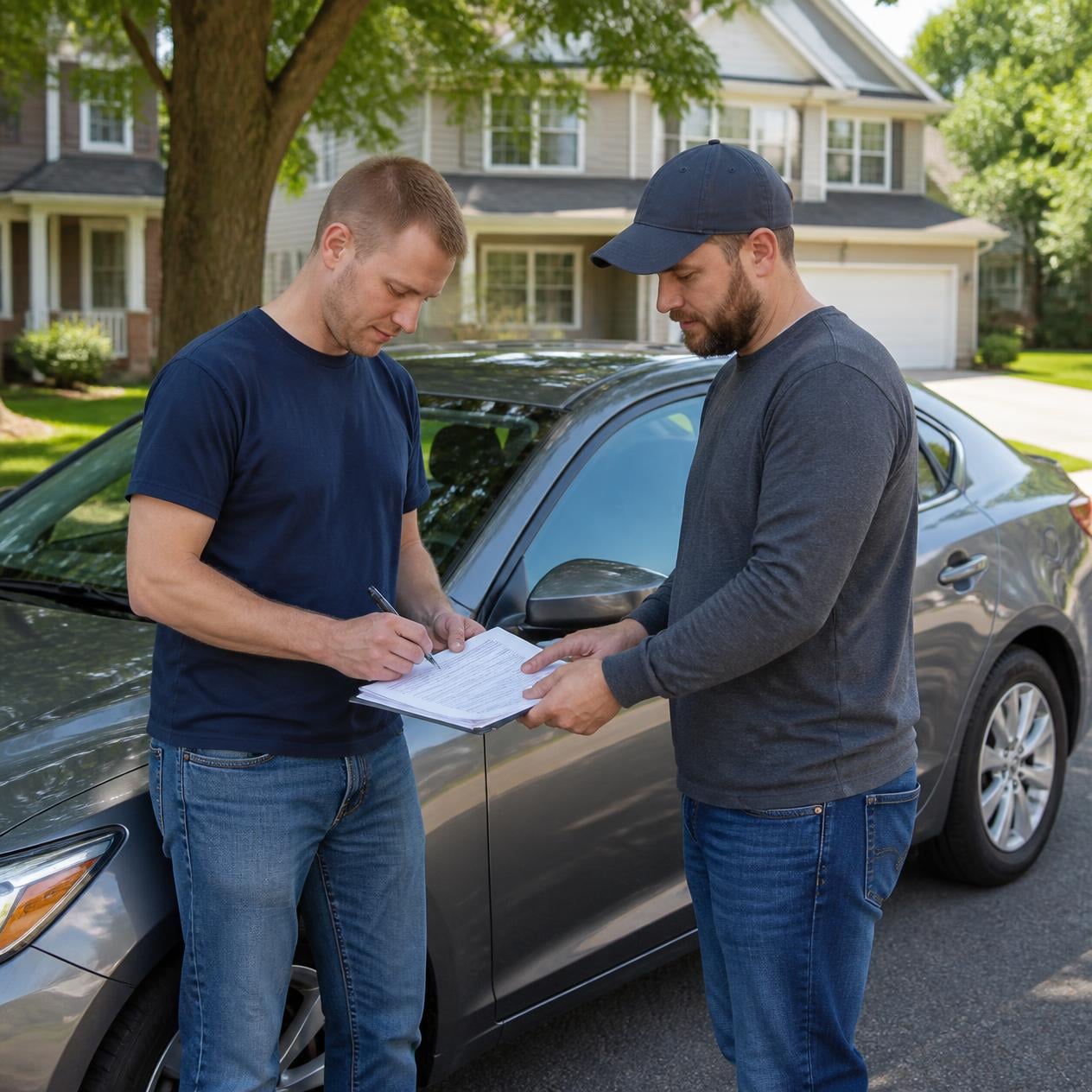
Complete the Bill of Sale: In Connecticut, you must prepare a Bill of Sale (form H-31) when selling your car. A Bill of Sale is required by law, and it provides the buyer with proof of purchase for calculating the sales tax they will have to pay to the DMV when registering their motor vehicle. Both parties must sign their name on the Bill of Sale; therefore, keep a copy of the Bill of Sale for your records.

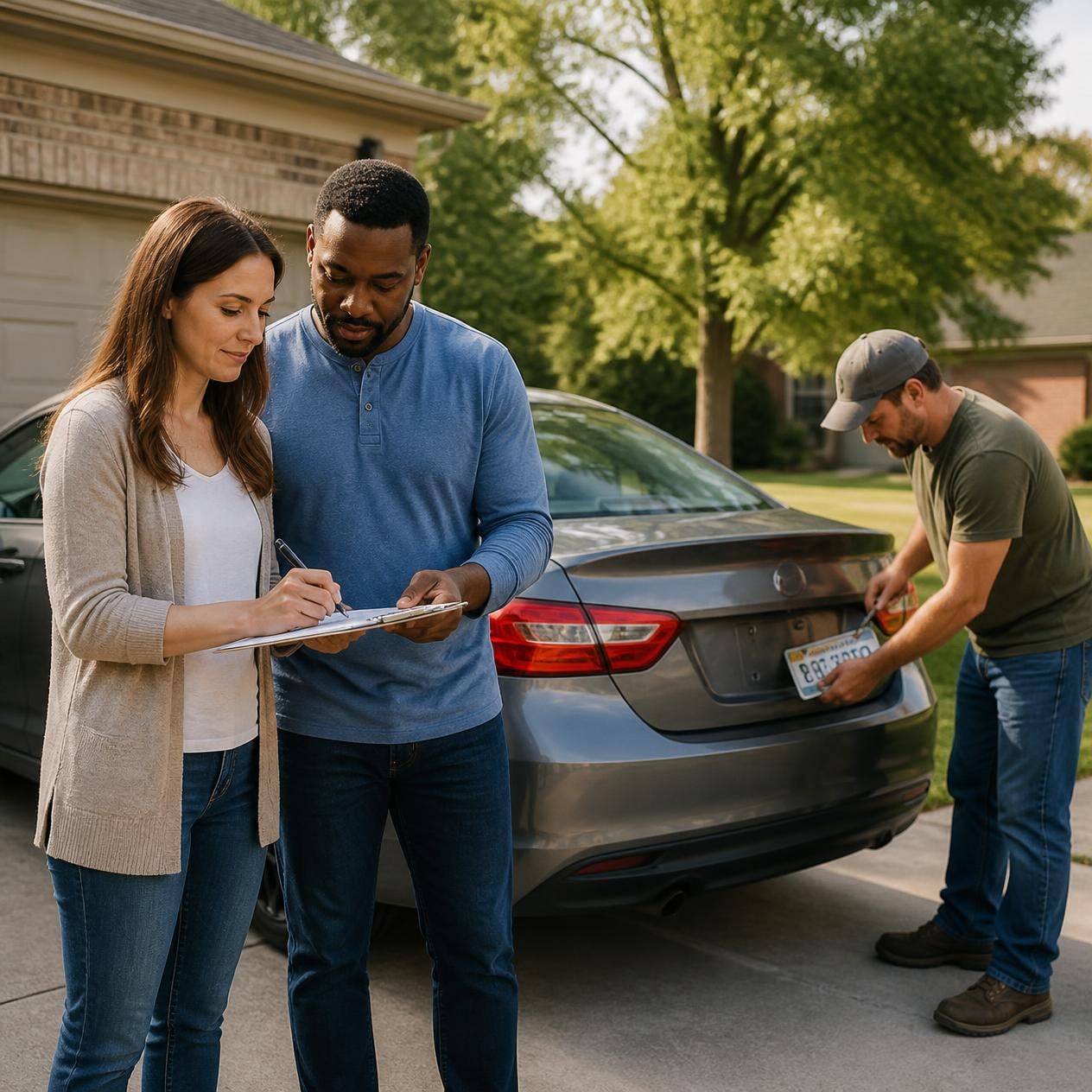
Remove Your License Plates: License plates belong to the seller in Connecticut, therefore it is important for you to remove your license plates from the car before they leave with the car. For example, once the buyer takes possession of the vehicle, it will be illegal for them to drive away with your plates attached to the car. After removing your plates from the vehicle, you may transfer your plates to any vehicle that you own or cancel your registration and insurance with the DMV.