

Bill of Sale Aug 31, 2026
If you're considering selling your current vehicle, you may want to consider selling it privately rather than trading it in at a Massachusetts car dealership for ease and convenience. It’s important to point out selling your vehicle privately typically gives you more money than trading it in.
The used car market is thriving in Massachusetts and there are hundreds of buyers looking for good deals with private sellers. Whether you’re in Boston, Worcester or even as far as the Berkshires, there will likely be someone interested in your car. After all, it’s a nice opportunity for both sides to take advantage of.
We know that the process of selling a car privately can cause some anxiety due to the paperwork, meeting with strangers, and knowing what you need to do to comply with the Massachusetts RMV laws/regulations.
This guide is intended to help you through the process step-by-step of selling your car privately as a Massachusetts resident. It will go through everything you need to know from properly listing your vehicle to fulfilling the requirements of transferring your vehicle title through the Massachusetts Registry of Motor Vehicles. After reading this article you should feel more confident placing a "For Sale" sign on your vehicle for the price you deserve.
When Selling Your Car Privately
Before we get into the "how", let's talk about the "why" when it comes to selling privately. The reason for this is because when you opt to sell privately; you have complete control over who will be driving your vehicle, when they will be viewing, and most importantly the price you are asking.
Dealerships have overhead costs they need to make a profit from (ie. they need to purchase your vehicle for as low as possible and sell it for as high as possible). When you sell privately, you are eliminating the middleman (dealerships). You and the buyer are able to split the profit margin, the buyer gets a fair deal and you will receive more money than you would have if you had traded your vehicle into a dealer.
But, you will not be able to obtain a high price for your vehicle by purely relying on 'luck'. You will need to put in some work to maximize your proceeds, and we have provided a simple breakdown of some advantages and disadvantages of selling your vehicle privately.
Pros | Cons |
Higher Profit: You keep 100% of the sale price, often thousands more than a trade-in offer. | Time Consuming: It takes time to list, communicate, and meet buyers. |
Control: You set the price and negotiate directly. No pressure from sales managers. | Paperwork: You are responsible for ensuring the Title and Bill of Sale are correct. |
Flexibility: You schedule test drives and meetings on your own time. | Safety Concerns: You have to meet strangers (though safe zones minimize this risk). |
No "Upselling": You aren't pressured into buying another car immediately from a dealer. | Marketing Effort: You need to take good photos and write the description yourself. |
Step 1: Preparing Your Vehicle for the Massachusetts Market
To get your vehicle ready for sale in Massachusetts, the first step is to prepare it properly so that it makes a good first impression because first impressions are really important. You want to present a vehicle that has been well taken care of to potential buyers, especially given the harsh winters and heat/humidity of the summer months.
Once your vehicle is clean you also want to ensure that your pictures are great because many of your potential buyers will be searching for vehicles on their cell phones.
Visual Appeal is Key
These pictures need to grab their attention while they are also scrolling through hundreds of other pictures on their phones.
Use soft lighting, such as on a cloudy day, to prevent harsh shadows when taking your pictures of the vehicle's exterior.
Be sure to capture every angle of the vehicle. For example, make sure that you include pictures showing each of the four sides of the vehicle (front, back, right & left).
Additionally, you will need to capture pictures of the vehicle's interior also. Include pictures of all of the seats, the odometer and the dashboard when photographing the interior.
Tip: If you use something like KarKiosk to sell your vehicle online, they will give you free credits towards obtaining professional images of your vehicle using their KarStudio service!

Step 2: Collection of Appropriate Documentation
Massachusetts has stringent regulations relating to documentation; thus, it is unlawful to sell a vehicle absent proper documentation. Collecting the above documentation prior to placing the vehicle for sale may prevent future headaches.
Certificate of Title
The title is the most important document. A title is needed for every vehicle model year 1981 or newer.
If Liens are Present: If your bank holds your vehicle title because you have a lien placed against your vehicle (due to an outstanding loan), you must pay off your loan to secure a lien release from your bank to obtain a clear title.
If Title Lost: If your title is lost, you cannot sell your vehicle until you have requested a duplicate title from the RMV.
Bill of Sale
Although your vehicle title is the primary legal document, the use of a Bill of Sale is strongly encouraged by the Commonwealth of Massachusetts for documentation purposes and serves as evidence of terms of sale (receipt) for both parties.
Vehicle History Report
Although not legally required, you may provide a potential buyer with a free history report (such as a Report from KarKiosk) which provides buyers with confidence that you are not concealing a history of accidents and/or altered odometer readings.
Essential Document Checklist.
Document Name | Purpose | Who Needs It? |
Certificate of Title | Proof of ownership and transfer instrument. | Essential for buyer to register. |
Bill of Sale | Receipt of transaction details (Price, VIN, Date). | Recommended for both parties. |
Lien Release | Proof that the loan is paid off. | Seller needs this if the car was financed. |
Maintenance Records | Proof of care (oil changes, repairs). | Helps justify your asking price. |
Step 3: Make a Listing & Market Your Vehicle
At this point, you have accomplished making your vehicle shine and accomplished all of the paperwork, now it is time to get your listing up.
The ultimate goal is to have the listing be visible to as many potential buyers as possible. Some platforms primarily known for advertising vehicles are KarKiosk which has the ability to post your vehicle listing across multiple platforms as well as syndicating your ad to multiple social media platforms.
Writing the Description
Be Honest; If your vehicle has damage such as a scratch on a bumper, needs new tires shortly after selling, inform the prospective buyers of the damage. This is an important detail for Massachusetts buyers.
Highlight Features; Providing details about your vehicle's features to assist potential buyers in making an informed choice—such as ‘low mileage, recent service and fuel efficiency.
Be Specific; When you state the condition of the vehicle's brakes for example, it is more informative to state ‘Brakes installed in 2024’ than to state ‘good brakes’.
Stating the Terms Of Sale; To eliminate potential scammers, specify terms of sale such as Cash Only or Bank Check Only.
Setting Your List Price
To determine your price, use online resources to identify what other vehicles of similar condition and year as yours are for sale in your zip code (i.e. Massachusetts). Pricing for a convertible may differ between Barnstable than Pittsfield in the summer months.

Step 4: Screening buyers & Keep Safety First
Your listing will be live soon and your phone may begin ringing with interest. It is exciting to receive these calls (and messages) but be on guard.
Screening Possible Buyers
Request their full name and contact details.
Confirm that they have a current and valid driver's license before allowing them to drive your vehicle.
Follow your instincts. A person wanting to rush you into a sale or wants to pay by a complex Wire Transfer before seeing the vehicle is likely a scammer.
The Test Drive
If you can't take a friend or your family member along, do not drive alone with the buyer for the test drive.
Location: Meet in a safe, well-lit area or a well-populated area (for example - the parking lot of the local police department in MA has been designated as a "safe exchange zone" for internet sales.)
Route: Use populated roadways and streets when taking buyers on the test drive.
Notify someone of where you are going and with whom you are going.

Step 5: Concluding the Transaction - The way it works in MA
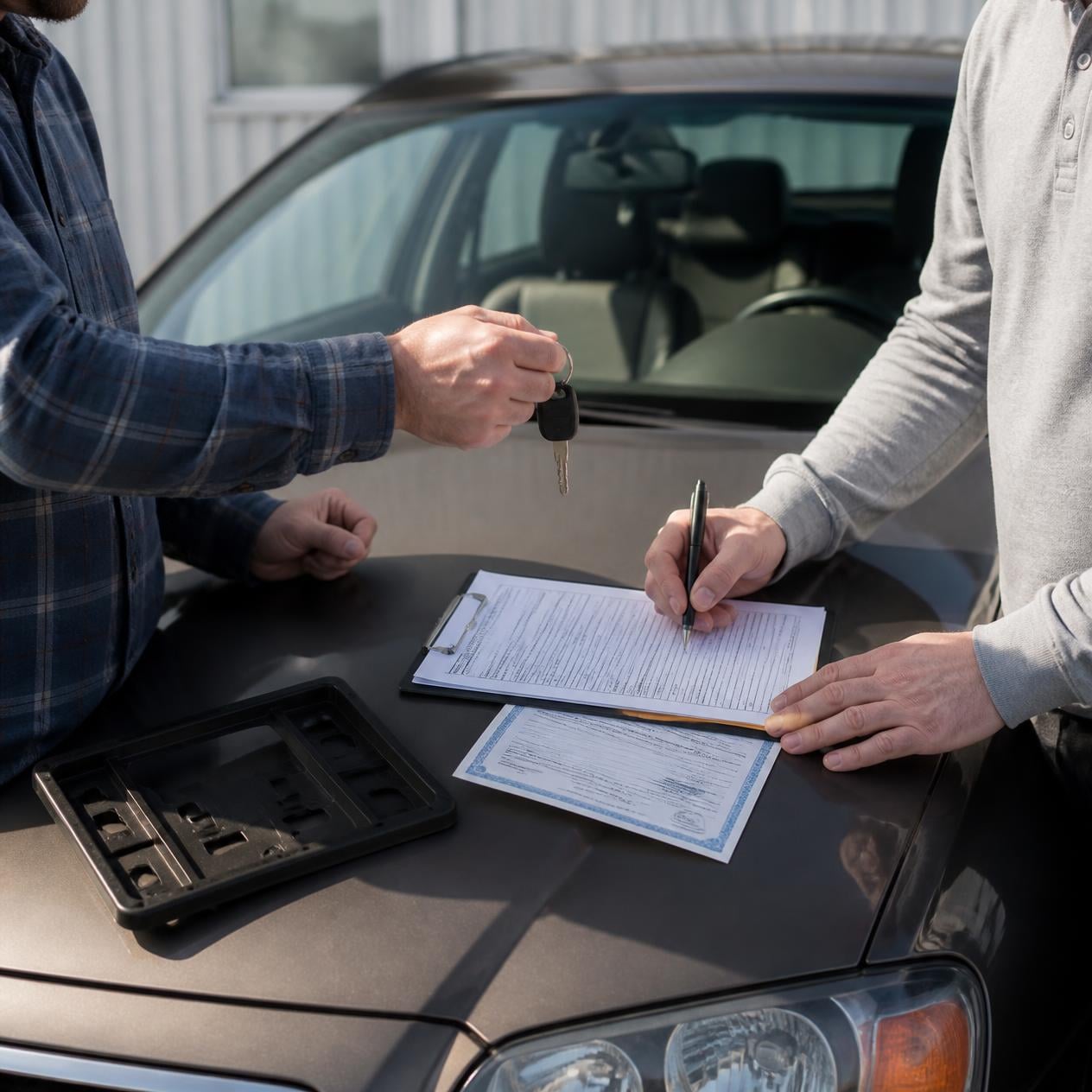
You have an agreed upon buyer and price and now you are ready to give the buyer the keys to the vehicle. At this point you must take special care to make sure that the RMV will accept the transfer.
The Title Signing Process
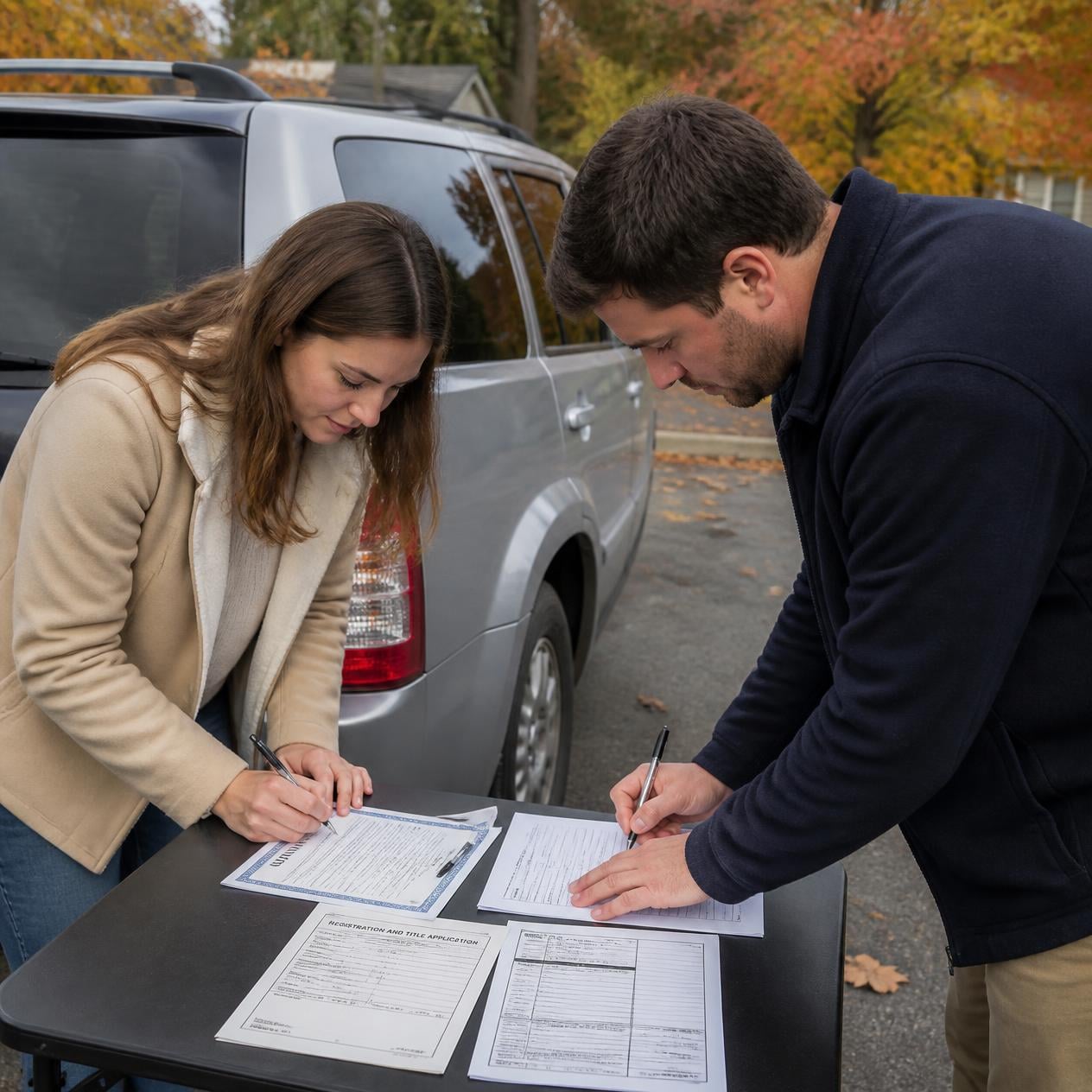
On the back of the Certificate of Title, find the “Assignment of Title” section.
Enter the name of the buyer and their address exactly as they provide.
Make sure to write the odometer reading exactly as stated. Do not estimate.
Enter the date of sale and sales price.
You and any other name(s) listed on the front must sign and print your name(s).
IMPORTANT WARNING: Do not use Wite-Out, Erasers or Cross-out mistakes. The Massachusetts RMV will refuse to accept the title; and you must apply for a duplicate title, thereby delaying the sale weeks.
Payment
All funds must be paid in full at the time of sale.
Best: Cash (in lower amounts) or Cashier's Check (from bank) will be the best form of payment.
Avoid: Personal checks or payment agreements.
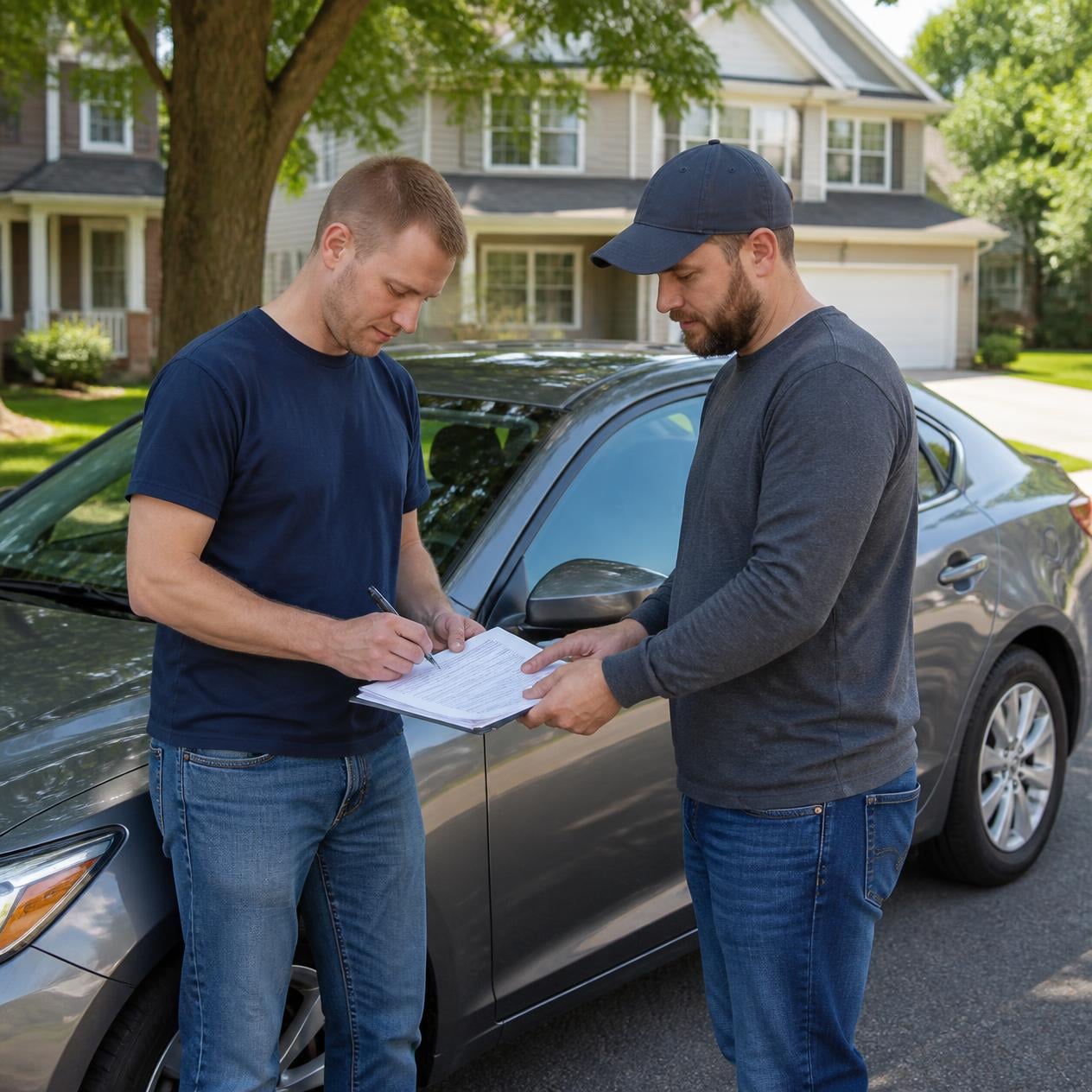
Bill of Sale: This should be filled out at the same time as the payment. Include the VIN, make, model, year, sale price, date, and both your and the buyer's signature on the Bill of Sale.
Sales Tax
You do not collect sales tax.
In MA, the buyer pays 6.25% sales tax directly to the RMV when he/she goes to register the vehicle and obtain a license plate. You will need to accurately record the sale price on both the Title and Bill of Sale.
Step 6: Responsibilities after the Sale
Once you have received your payment and your buyer is thrilled, you still have some things to do.
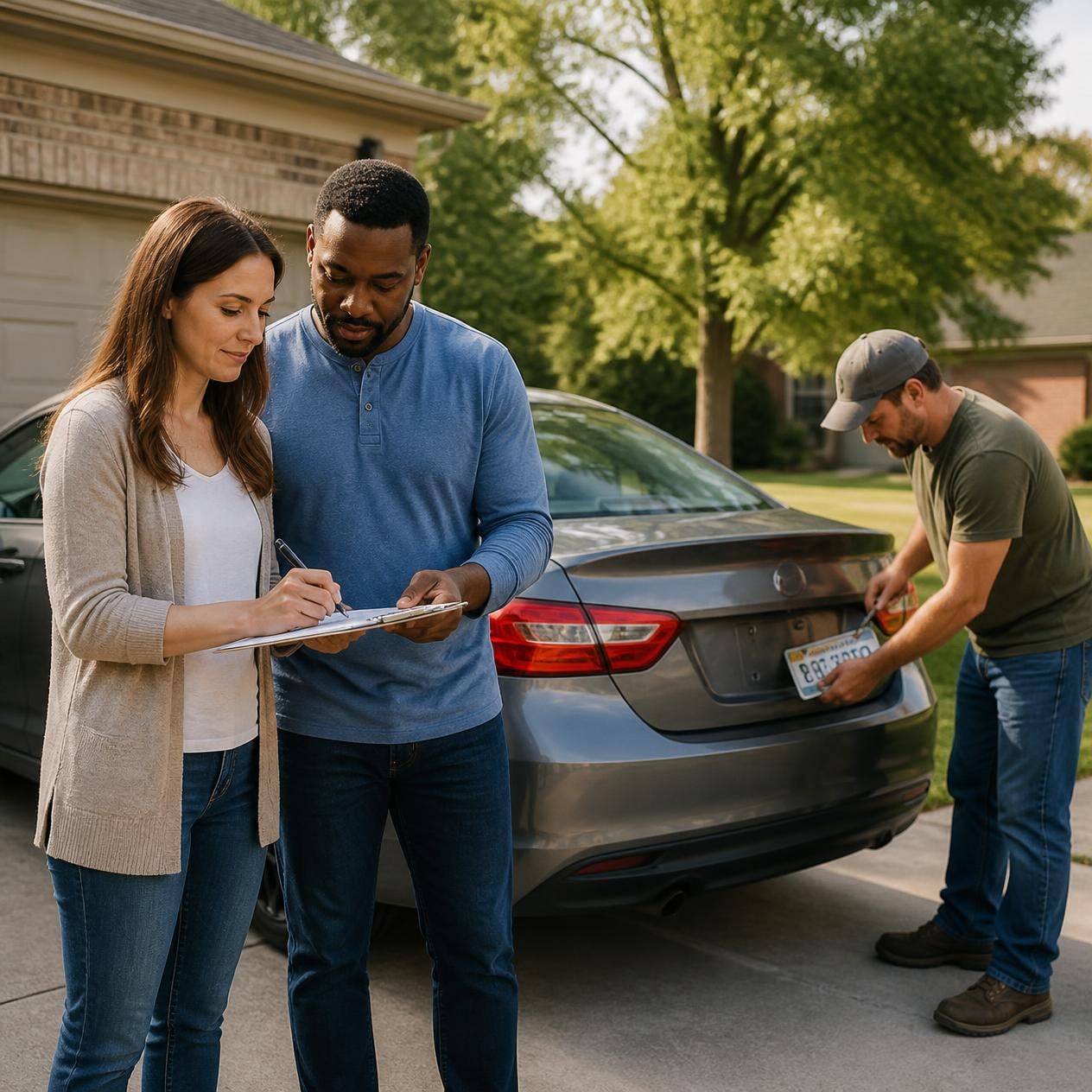
Remove Your License Plates
Never allow the buyer to leave your property with your license plates attached to the vehicle. The registry in Massachusetts associates the license plate with the individual, not with the vehicle. If the buyer runs a red light or has an accident while using your license plate, you will be liable.
Cancel Registration and Insurance
Remove your license plates from the vehicle.
If you are not going to place your license plates on a different vehicle, are cancel your vehicle’s registration with the Registry of Motor Vehicles (online or in person).
After you have cancelled your registration, contact your insurance company to cancel your insurance coverage on this vehicle.
Notify the Registry of Motor Vehicles
To unlink yourself from the vehicle you sold, it is a good idea to file a notification of sale with the R.M.V. to create a formal record of your divestiture of the vehicle.

Conclusion
If you replicate the process outlined here for selling your automobile privately in Massachusetts, you will face minimal challenges in the sale of your vehicle. Many steps of the process are interdependent; if executed properly, it is possible for you to receive a superior financial outcome from your sale than you would have if you had traded-in your vehicle at a dealership.
You will also take steps to safeguard yourself and develop a smooth transition to the buyer by preparing your vehicle, obtaining all necessary documents (e.g., Title, Bill of Sale), and keeping safety a priority throughout the sale process.
When selling your automobile, you want the process to be as easy and safe as possible; therefore, Karkiosk and other companies like it provide tools to help you create a positive selling experience (e.g., vehicle history reports, safe and secure messaging options to communicate with potential buyers).
You drove your car; you should receive the benefit of its value. With this guide, you can navigate the Massachusetts private automobile marketplace with confidence. Best of luck with your sale!