

Bill of Sale Aug 31, 2026
Finding a dependable automobile can feel as difficult as finding parking in Newport during peak months if you are an Ocean State resident. However, hidden within plain sight, a significant market exists for locating private sellers of automobiles.
Whereas dealerships provide you with well-presented showrooms, free coffee, etc., the costs associated with dealership operations are passed on to consumers. Because of this, there are many opportunities to locate fantastic bargains on everything from winterized SUVs to stylish commuting vehicles suitable for use in Providence's heavy commuting traffic.
This Guide outlines why purchasing through a private vehicle seller is the best method of spending your money in Rhode Island in 2023, how to protect yourself when making a purchase and what specific State laws apply that allow you to drive legally in Rhode Island.
Rhode Islanders switching from dealerships to Private Sellers
Across the state, people from Woonsocket to Westerly are following this trend: private customers have discovered that there is a premium cost associated with the convenience of obtaining a vehicle from a dealer which is generally unnecessary.
When you buy a vehicle from an individual seller, you won't be paying for a dealer's marketing expenses, salesperson commissions, or lot maintenance costs. Instead, you'll simply pay for the practical components making up your new automobile (i.e., metal and rubber).
Greater Freedom to Use Negotiating Skills
Because private sellers are individuals rather than large corporations (dealerships), customers have more negotiating options. Private sellers may be relocating, upgrading to a bigger family vehicle, or in need of cash quickly; hence, there is greater potential to negotiate prices below market value.
Unique Car Culture in Rhode Island
In Rhode Island there is a unique car culture. People look for a classic convertible to cruise on Ocean Drive or a rugged truck they obtained from their friend or family in the rural areas of Foster or Glocester. Many of these vehicles do not make it to dealership lots, as they are usually sold through personal connections.
The Benefits and Disadvantages of Buying a Vehicle Privately
Before making a decision about whether to purchase a vehicle privately, consumers must consider the advantages and disadvantages of doing so. Most consumers will be able to identify enough benefits between these two methods to make purchasing a vehicle privately a good decision.
Pros of Private Sellers | Cons of Private Sellers |
Lower Prices: No dealer markups or hidden facility fees. | No Warranty: You typically buy the car "as-is" with no guarantees. |
Direct History: Talk directly to the person who drove and maintained the car. | Paperwork Legwork: You handle the DMV registration and title transfer yourself. |
Less Pressure: Avoid aggressive sales tactics and upsells. | Financing Hurdles: Banks may have stricter rules for private party loans. |
Negotiation: Easier to haggle on price with an individual. | Safety Concerns: Meeting strangers requires caution and planning. |
Navigating RI Private Market Safely
Despite Rhode Island being a relatively small state, safety should always be kept at the forefront while engaging in high-value transactions with strangers.
1. Public Meeting Places are Required
If possible, you should never have your first interaction at someone's private residence. You want to select a location that is public and well-lit. A lot of police departments in cities such as Cranston, Warwick, and Pawtucket have designated "Safe Exchange Zones" for online exchanges specifically.
2. Test Driving is Important
You probably already know that the roads in Rhode Island are covered with potholes. Use this information to your advantage and take the car on test drives that include sections of smooth highway (such as I-95 and I-295) and then transition to less maintained side streets that show how well the suspension of the vehicle will react to our "special" road conditions.
While test driving, listen for any noises, such as rattles, squeaks, or noises when turning or braking. Also check to see that the vehicle's alignment stays true throughout the test drive.
3. Checking the Paperwork
Prior to paying for a vehicle, check the title to make sure that it is in the same name as the seller. If the title has a lienholder listed (such as a bank), the seller must have an official release letter showing that the lien has been satisfied. If the seller does not provide an official release letter, you will not be able to register the vehicle in the State of Rhode Island.

How to Understand Your Vehicle's Financials: The Cost of Your Purchase
Most buyers go to a dealer and are surprised by the costs associated with buying a vehicle. In Rhode Island, the price you agree to pay for your vehicle is not the end of the cost for owning one.
Taxing the Vehicle: A 7% Tax
There is a 7% sales tax that will be assessed on your vehicle. Furthermore, the Rhode Island DMV calculates this sales tax from two numbers: your actual purchase price or the NADA clean trade-in value of the vehicle. Therefore, if you receive a vehicle as a gift and pay $1 for it, the state will still charge you for its NADA clean trade-in value when assessing your sales tax.
The Cost of a Title Transfer and Registration
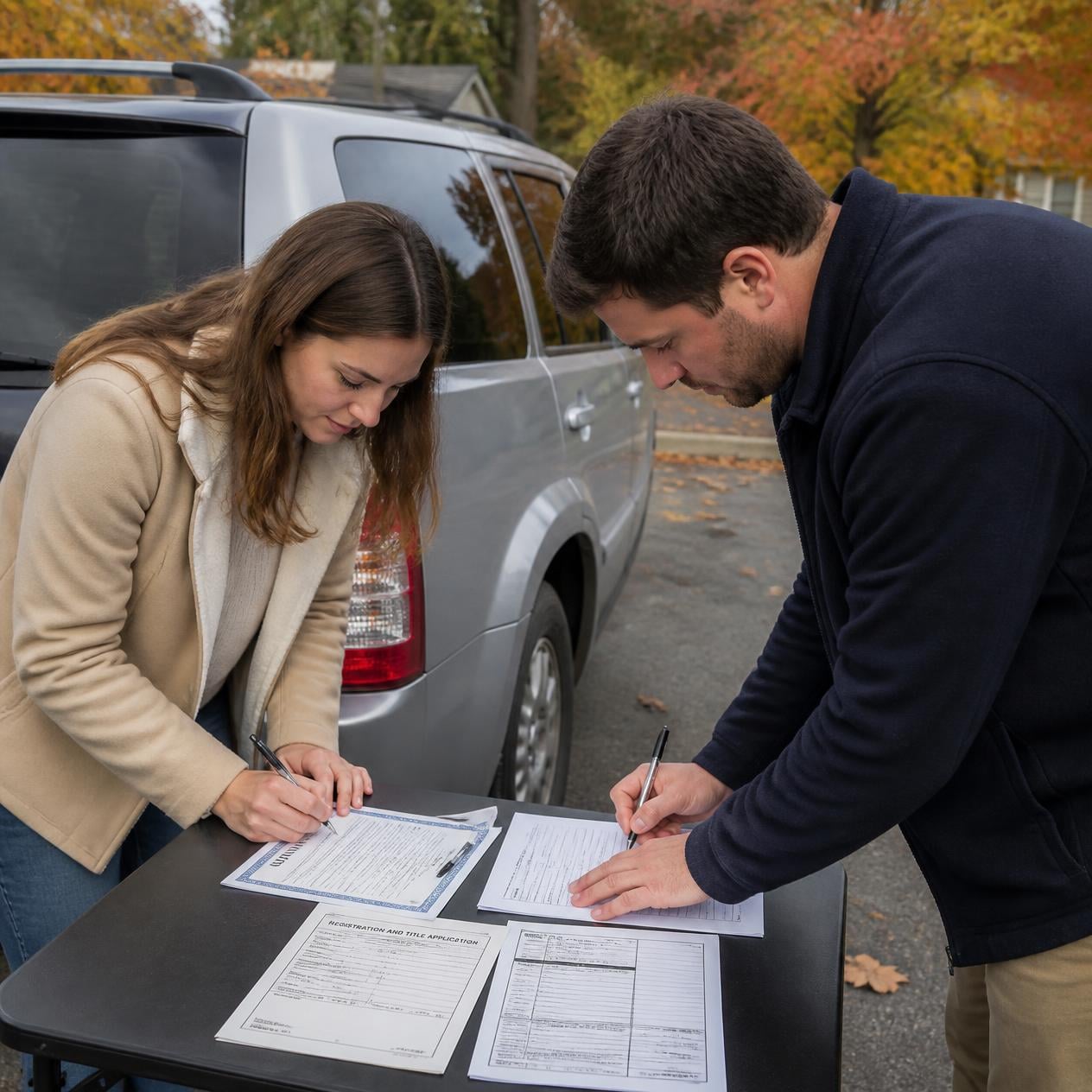
There are also other fees involved to register the vehicle. They include the title transfer and the first registration plate. These costs are payable directly to the DMV and are not part of the purchase price that you negotiated with the seller.
Estimates for Each Fee Based on $10,000 Vehicle Price
Expense Category | Estimated Cost | Notes |
Purchase Price | $10,000 | Negotiated with seller. |
RI Sales Tax (7%) | $700 | Paid at DMV (assuming book value matches price). |
Title Fee | ~$52.50 | Standard fee for title transfer. |
Registration Fee | Varies by weight | Typically between $40 - $60 for standard cars. |
Inspection Fee | $55.00 | Required within 5 days of registration. |
Total Estimated Cost | ~$10,850 | Always budget ~10% extra for fees. |
The Rhode Island Aspect
Rhode Island has very strict Vehicle Inspection Laws allowing Vehicles to pass Safety & Emissions inspections once every 2 years. When purchasing a used vehicle privately, the previous owner's inspection sticker is null and void.
5 Day Rule
After registering the vehicle and affixing your license plate, you have 5 days to complete the new vehicle inspection.
Suggestion: When negotiating with the seller of a used vehicle, ask that you be allowed to take the vehicle to a certified inspector for a Pre-Purchase Inspection. If the seller refuses your request, then do not purchase the vehicle.
A certified inspector will provide you with valuable information regarding whether or not the vehicle will pass a state inspection, thereby protecting you from buying a problem vehicle needing thousands of dollars in repairs before it is legally allowed on the road.

The Best Private Car Selling Platforms
While Craigslist and Facebook Marketplace have a lot of users, specialized platforms such as Karkiosk are becoming increasingly popular in Rhode Island due to their focus on cars and improved filtering capabilities.
The best cities in Rhode Island for the sale of private cars:
Providence is ideal for city commuter vehicles, particularly smaller sedans,
Warwick is a good area for family-sized SUVs and minivans,
Cranston, which typically has more lower mileage and well-maintained vehicles than other areas,
Newport & Middletown, where you may find good opportunities at purchasing convertibles and higher-end luxury automobile options,
South Kingstown & Narragansett, where you'll find a variety of trucks and 4WD vehicles, suitable for rural or beach-area living.

A Checklist of What Should Be Included When Closing a Deal
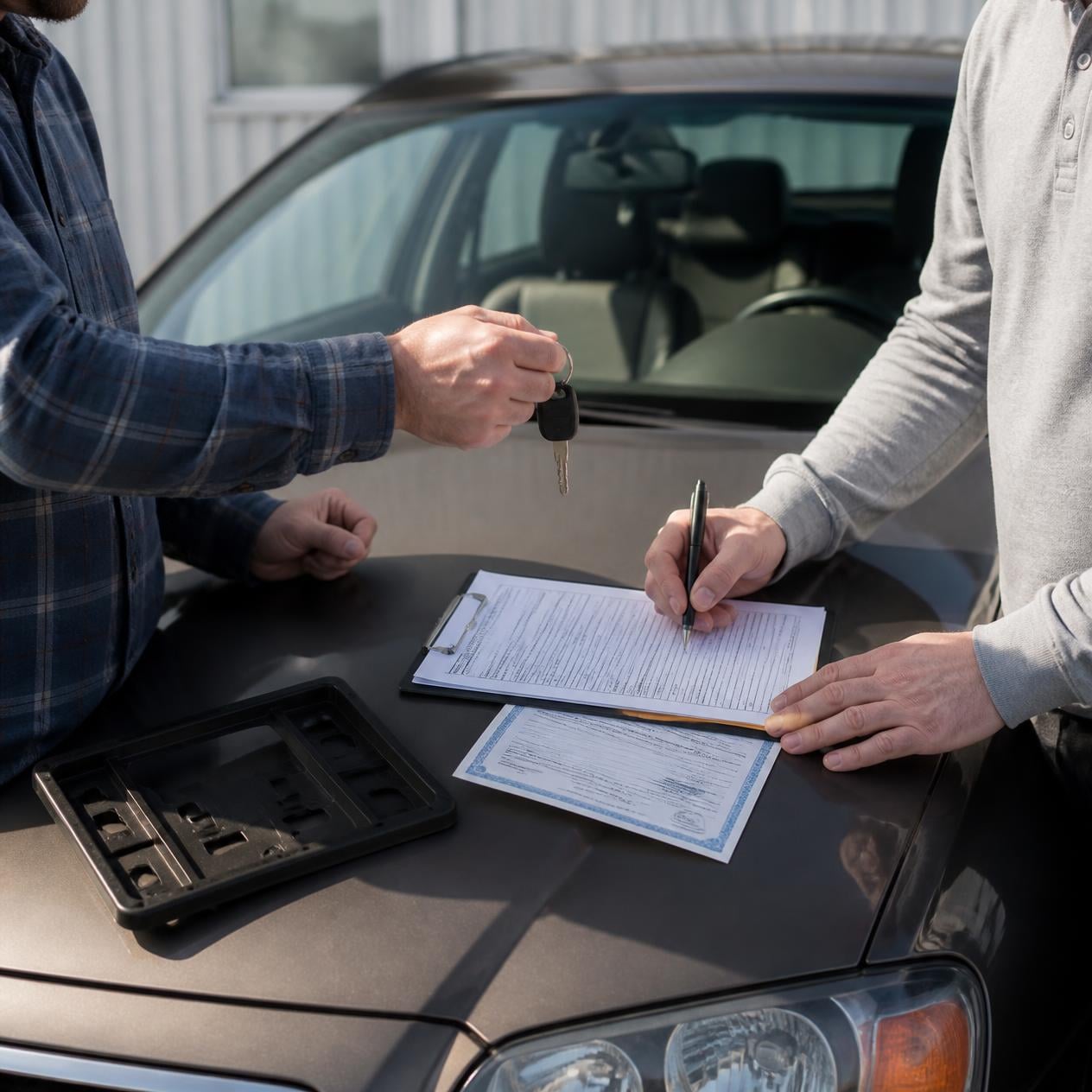
You've found the car, taken it for a test drive on I-95 and negotiated the price with the seller; you're now at the point of finalizing your purchase. Make sure you have all of these items in hand before leaving the meeting.
Vehicle - This is a given.
Keys - Be sure to check and obtain all sets of keys, including the extra key(s) if available.
Title - The title must be signed by the seller in the "Assignment of Ownership" section.
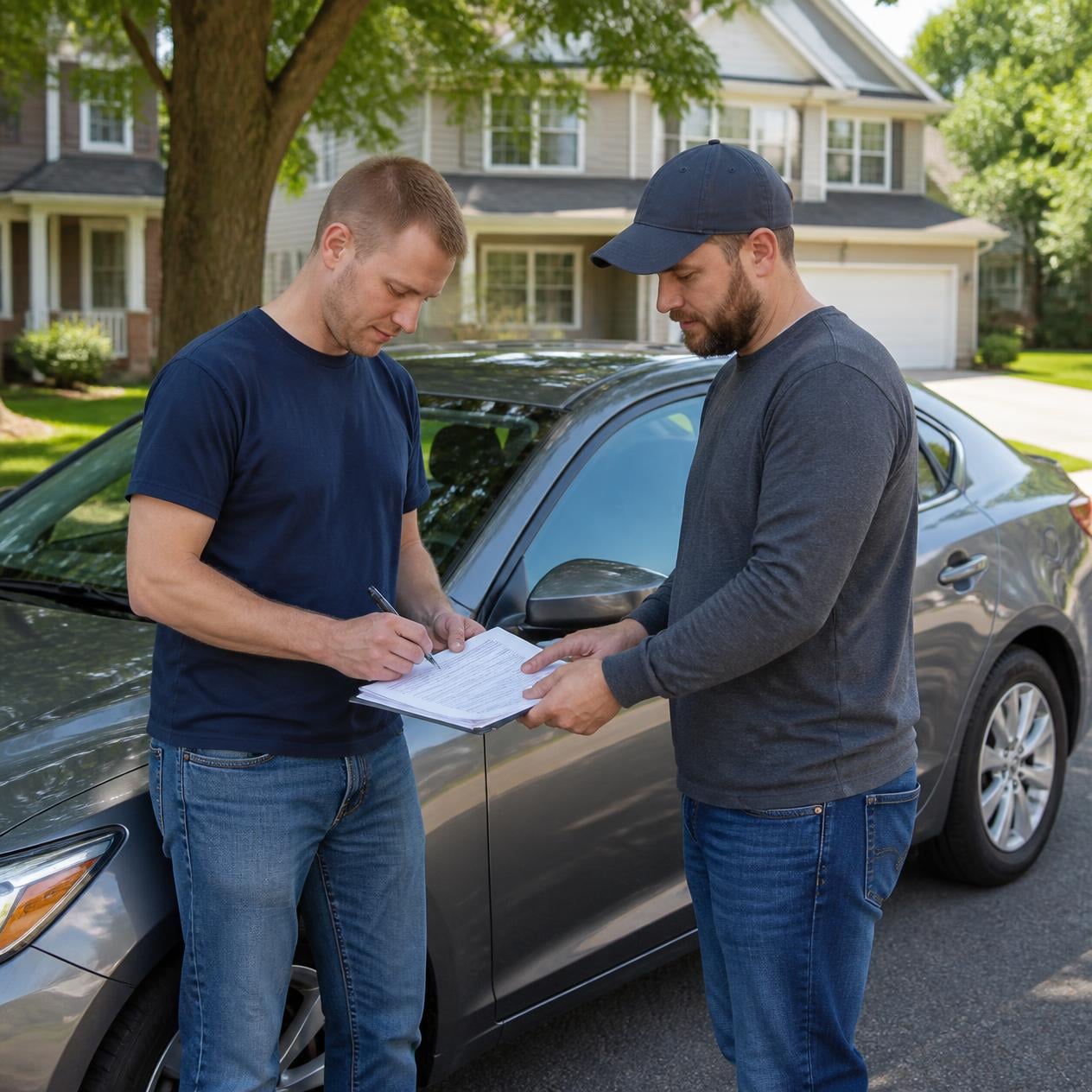
Bill of Sale (TR-2 Form) - This is required by law in Rhode Island. The bill of sale must contain the VIN, price, date of sale, and signatures from both parties.
Release of Lien - If applicable.
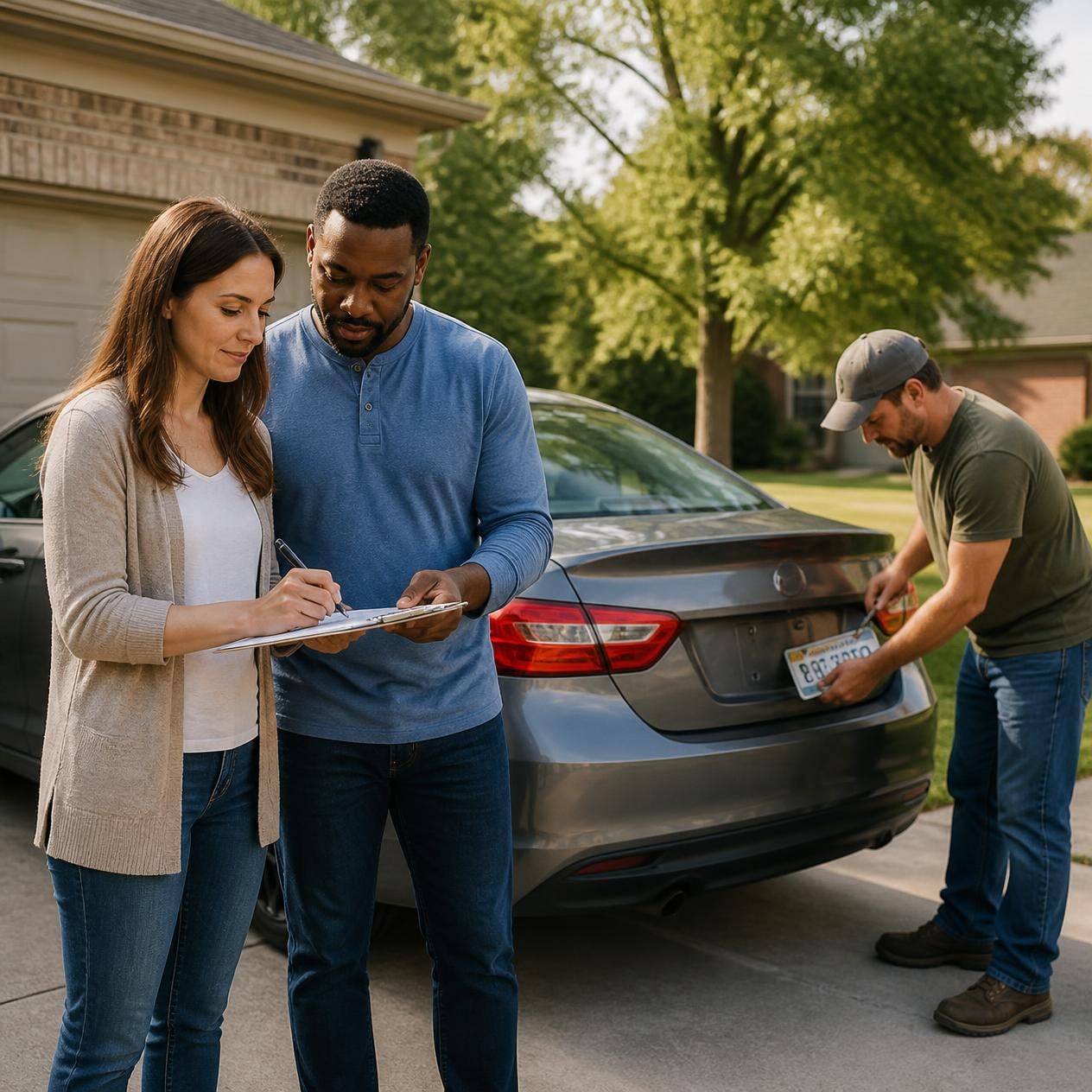
You are not allowed to drive off in Rhode Island with the seller’s license plates, as in RI the plates are assigned to the owner and remain with the owner when the car is sold. You will need to have your own plates if you are transferring them from another vehicle, or you can obtain temporary registration to use until your new plates arrive.

Final Thoughts: Buy a Car With Confidence.
Buying a car privately in Rhode Island is no big deal, as long as you're prepared to prepare yourself a little more tedious than going to an auto dealership and you will save a lot more! If you put in the time to do your research, inspect the vehicle properly and take into consideration what you must do at your local DMV, you can feel confident that you can purchase a dependable car that fits perfectly into your budget!
Whether you need a Winter Car That Howie can put up with the snow in Burrillville or simply need a nice car to get You into and out of Providence, The private market is where the Wise Money Is.