

Bill of Sale Aug 31, 2026
Walking onto an automobile sales lot can feel like stepping into a jungle; the anxiety of being pressured to buy something, the anxiety of potential add-on costs and the fear that you over-paid for your vehicle can cause anyone to drive their vehicle into the ground before purchasing another one. But what if you could completely eliminate the need to drive to an auto dealership and instead drive to the person selling the car?
Welcome to the land of purchasing privately owned vehicles in the state of Oregon.
More than you may think, Oregon has a revolution occurring on its highways. Everyone from the wet streets of Portland to the dry deserts of Bend is no longer negotiating with automobile dealerships; they are now going directly to the seller and negotiating on their own.
While saving money is certainly an advantage of buying a used private car, even more important is the transparency that comes with the purchase, creating a personal bond with the seller and finding a vehicle that the seller has never sold before (this is true of many private car purchases).
This guide will provide you with the tools needed to successfully navigate through the private car-buying market within the state of Oregon. We will go over where to find cars for sale, how to inspect a used private vehicle, as well as, provide detailed instructions regarding all required paperwork; hence, buckle your seat belt. The way you purchase cars will never be the same.
The Oregon Advantage: Why Purchase a Private Vehicle?
When purchasing from a dealer, know that you are not only buying a vehicle; you are purchasing the dealership's rent, electricity, commission for employees and advertising budget. A private seller does not have these added costs; they simply have a vehicle that they want to sell.
For residents of the state of Oregon, the market is very unique due to the difference in terrain in our great state. Because of our diverse terrain we require large, small and efficient vehicles. You can find Subarus that are great for driving in the rainy Willamette Valley, rugged trucks that are suitable for ranch work in eastern Oregon, and eco-friendly hybrids that have become very popular in Eugene.
1. Lower Pricing
The most obvious advantage is the lower pricing on vehicles. Because private sellers do not pass along the dealer's markup to keep their dealership open, you are able to purchase a vehicle at a much lower price than you would from a dealership. Instead of paying for marketing you will be paying for the vehicle itself.
2. The Direct History
When you purchase from a dealership, you typically are getting the information that they have received from the auction sheet or other means. In contrast, when you purchase from a private party or seller, you can ask specific questions about the vehicle:
“Has this automobile ever been on the beach at Cannon Beach?”
“How did this vehicle perform on the snow at Mt. Hood last winter?”
“Do you have any records of any type of maintenance done to this vehicle by the local shop?”
This type of communication is priceless regarding the history of the vehicle.
3. No Undisclosed Document Charges
Have you ever reached an agreement on price but found a $500 "document fee" on the final invoice? When dealing with a private party, the amount that is agreed to is the total price for the sale; there will be no unknown administrative fees hidden in the small print.
Advantages and Disadvantages of Purchasing from Private Parties
In order to provide you with an objective perspective on the advantages and disadvantages of bypassing dealerships, we will consider both aspects individually.
Feature | Buying from a Private Seller | Buying from a Dealership |
Price | Generally lower; no overhead markups. | Higher; includes overhead and commissions. |
Negotiation | Direct with the owner; often more flexible. | Can be rigid; often involves "checking with the manager." |
Vehicle History | Owner can provide personal details and daily usage info. | Limited to vehicle history reports and inspections. |
Paperwork | You handle the DMV transfer yourself. | Dealer handles registration and title work. |
Warranty | Sold "as-is" with no warranty. | Often includes limited warranties or certified pre-owned options. |
Financing | You must secure your own loan or pay cash. | Dealer offers on-site financing options. |

Hidden Gem Locations in Oregon
To locate the ideal vehicle, it is necessary to search within appropriate regions. Even if you come across a vehicle with a "For Sale" notice during your drive down Burnside Avenue, the ever-expanding digital realm is your best ally.
Digital/Online Marketplace
Websites such as KarKiosk are leading the charge when performing local searches for vehicles. Many individuals will search on these websites for their next vehicle — no matter where they reside, be it Medford, Salem, or Gresham, as this website allows for filtering by Zip Code & enables users to see all of the vehicles available within their area.
The Ten Largest Cities in Oregon for Private Vehicle Listing:
City | Popular Vehicle Types | Search Tip |
Portland | Hybrids, compact cars, EVs | Great for finding city commuters. |
Bend | SUVs, 4x4s, Adventure vehicles | Look here for cars that can handle snow and trails. |
Salem | Family sedans, Minivans | A hotspot for reliable family transportation. |
Eugene | Wagons, Eco-friendly cars | High inventory of well-maintained older imports. |
Medford | Trucks, Utility vehicles | Ideal for finding work trucks and haulers. |
Utilization of Social Media and Classified ads
Local Community Group members are powerful. Consumers can find vehicles listed by neighbors on social media or local bulletin-board websites who do not actively market their vehicle for sale. Many of these community groups provide consumers with vehicles for sale within the local area.
Inspection of Vehicles. A Car's Appearance is Not Its Value.
You have found a 2017 Subaru Outback in Hillsboro, and although the photos of this vehicle may have made it look great, you need to conduct the inspection first. In private vehicle sales, the seller of the vehicle usually sells the vehicle "as-is," meaning that once you give the seller your money you will be responsible for the vehicle's condition.
The Pre-Purchase Test Drive Checklist
Test drive every car before purchasing. Do a thorough test drive.
City Streets: Can the car handle stop and go traffic well? Does the car make a squeaking noise when braking?
Highway: See if the car can reach 55 mph or higher. If so, check if the steering wheel shakes or if there are a lot of wind noises.
Parking Lot Test: Use an empty parking lot to check how the steering responds by turning the steering wheel all the way to the left and right while moving slowly. Listen for any clicking or grinding sounds.
A Professional Opinion is a Recommendation.
Although you may not be a certified mechanic, purchasing a pre-purchase inspection will be the best insurance for you at a cost of approximately $100 - $150. A mechanic will be able to identify oil leaks, rusting frames (which are particularly prevalent in wet climates) and potential engine problems that may not be apparent after detailing the vehicle.
Vehicle History Reports.
You must obtain a vehicle history report (such as Carfax, AutoCheck, etc.) before making a decision to purchase a vehicle. These reports provide important information regarding whether or not the vehicle has a salvage title, whether or not the odometer has been turned back, and whether or not the vehicle has been involved in major accidents. The key to transparency is verifying it.

A Step by Step Procedure to Navigate to the Department of Motor Vehicles of the State of Oregon
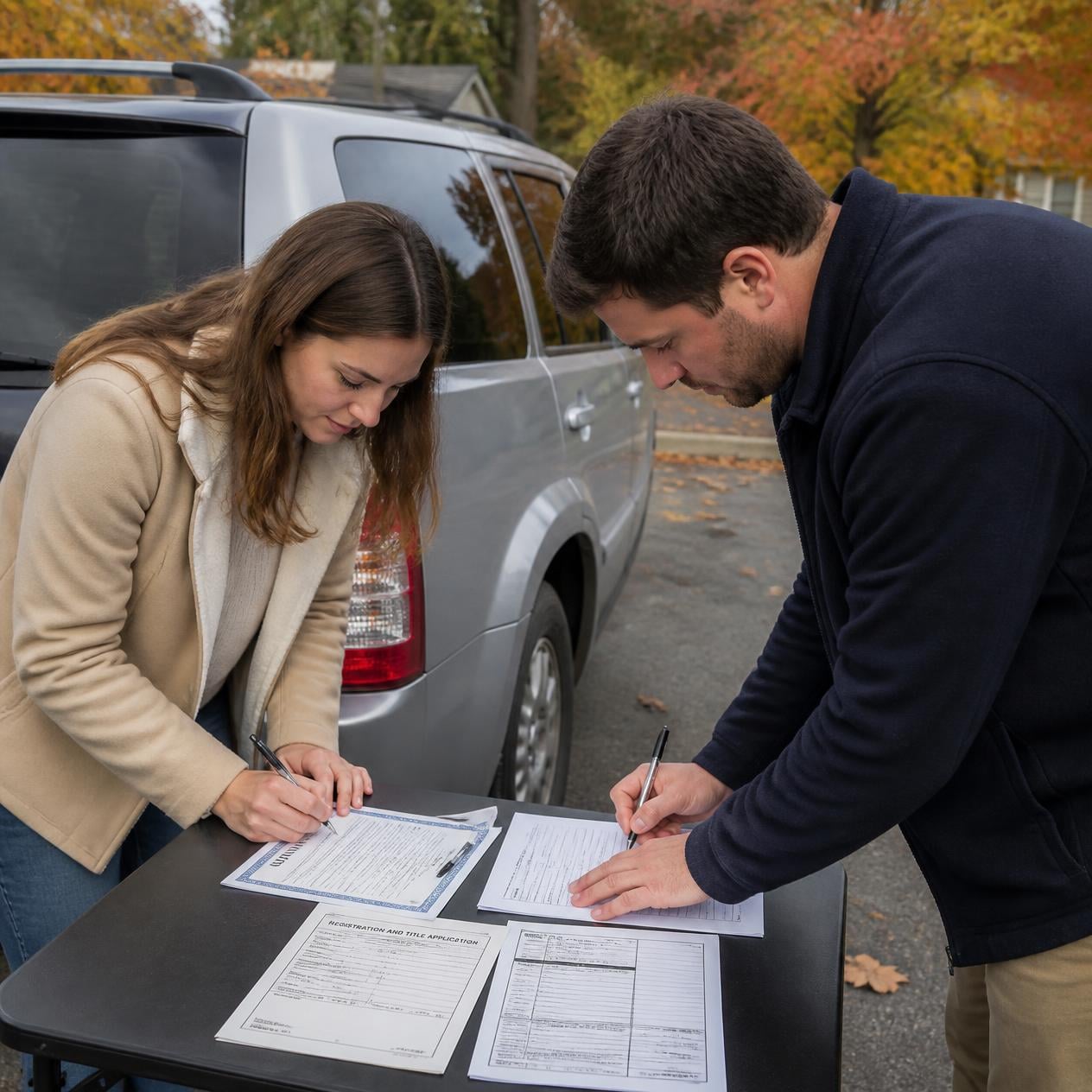
The paperwork is the most intimidating aspect of purchasing a car through a private sale, but transferring a title in Oregon does not require any special qualifications, although it does require some research and following specific regulations.
1. Title Transfer
Title transfer is sometimes referred to as the golden ticket; it is the first step in completing a legal transaction.
Responsibilities of the Seller: The seller must provide a signed "Release of Interest" on the reverse side of the title. If the title has two or more names listed as equal partners (for example, John Doe AND Jane Doe), both partners must sign.
Current Odometer Reading: The seller is responsible for recording the current odometer reading.
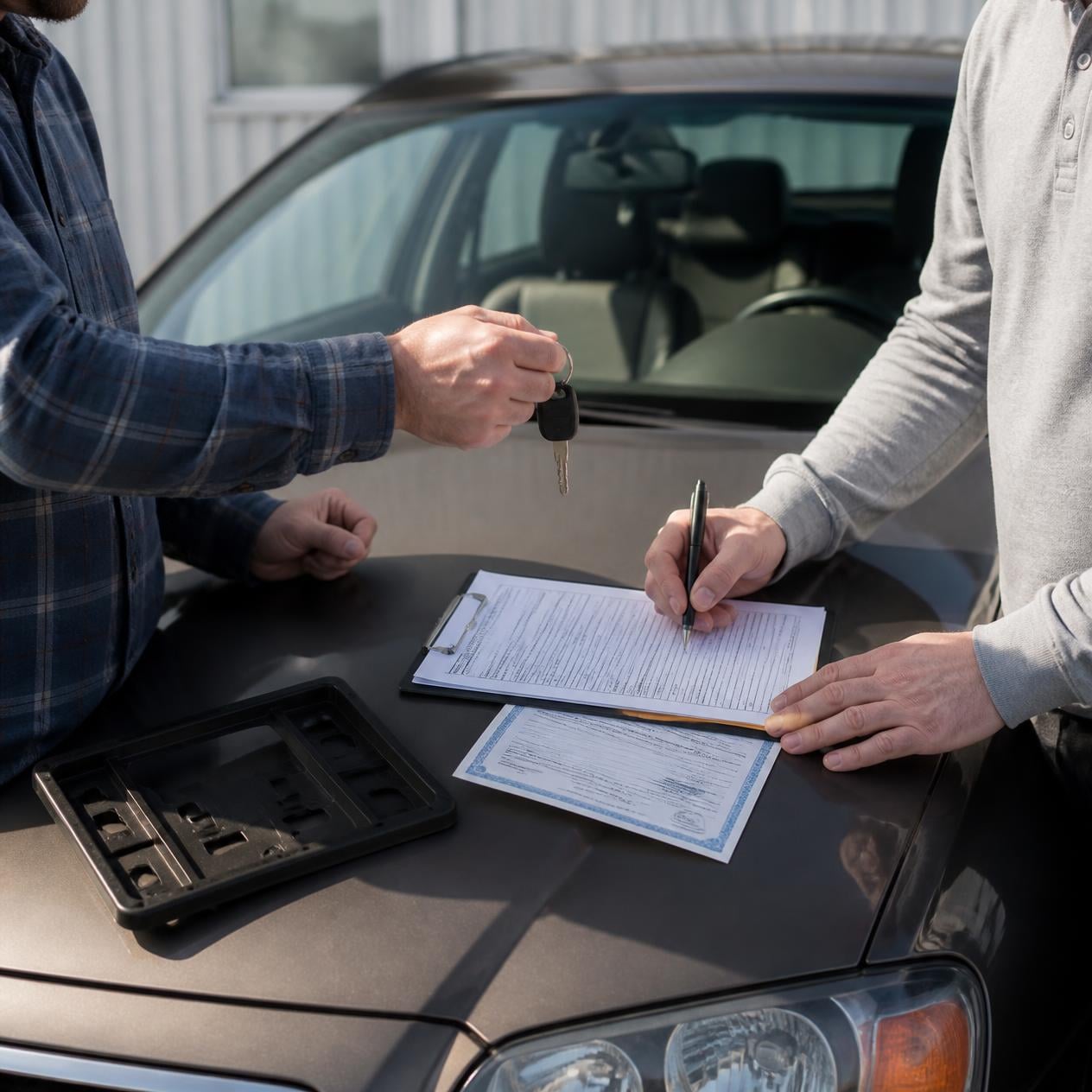
Responsibilities of the Buyer: The buyer is required to sign the title as a buyer.
2. Your Receipt (Bill of Sale)
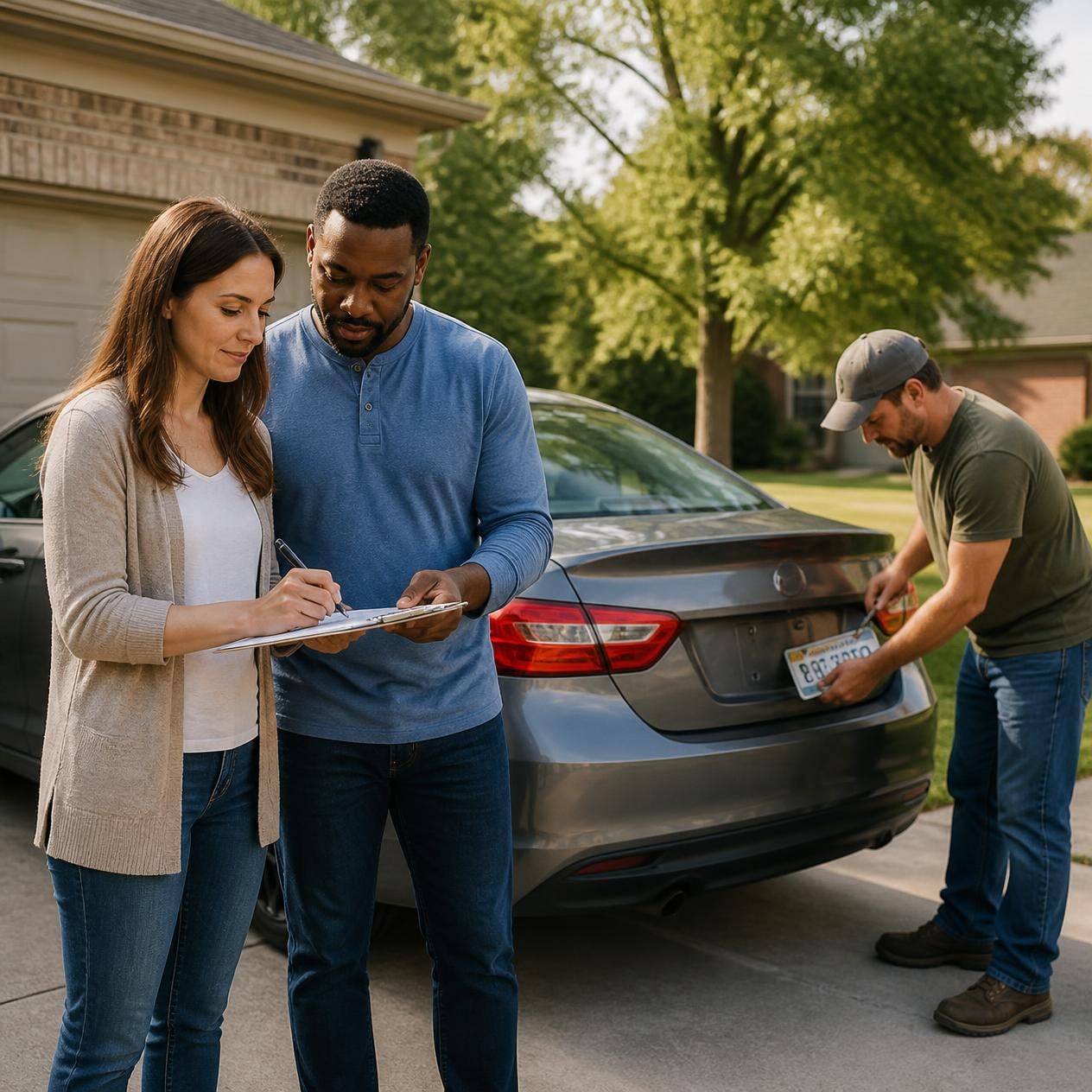
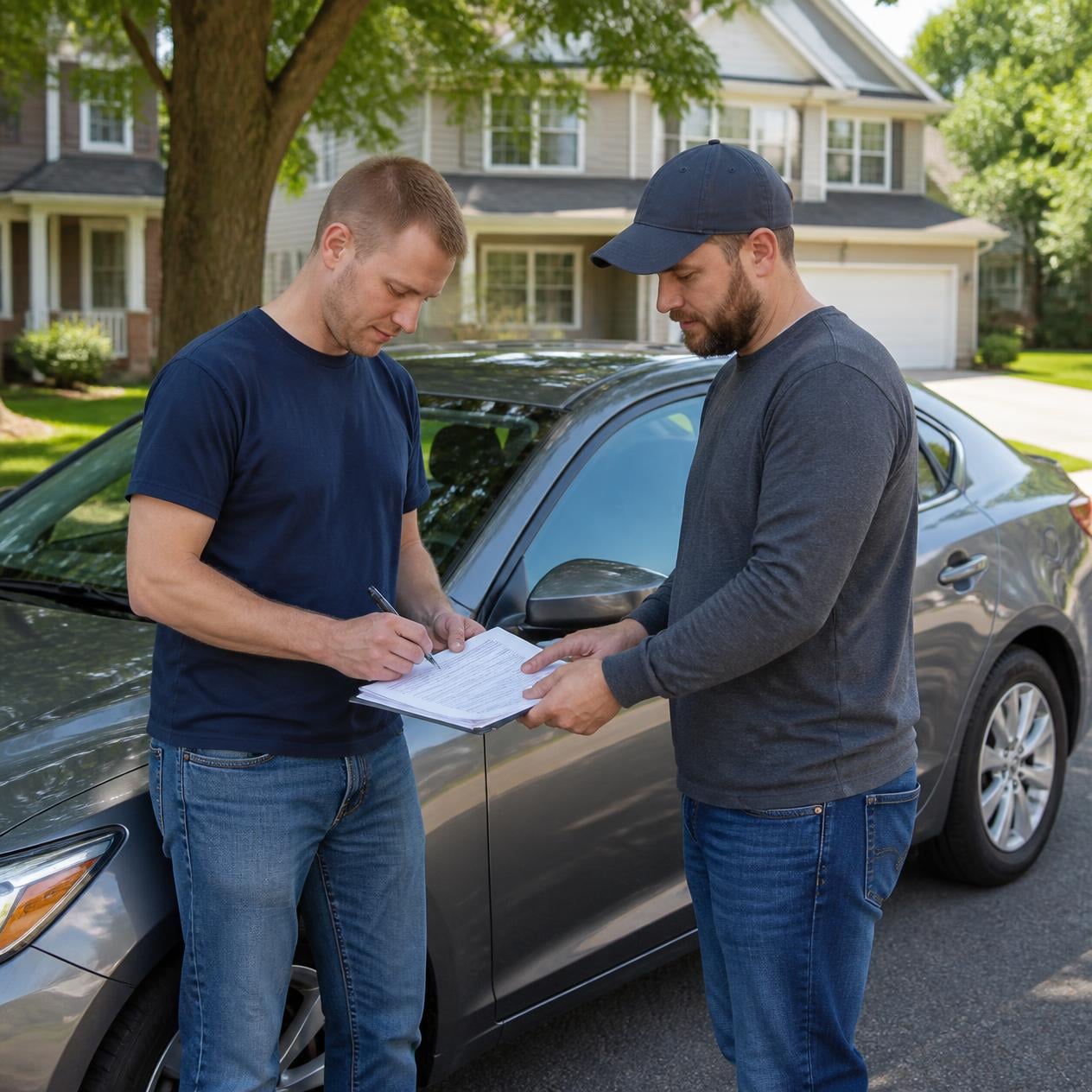
Although your Title is the main legal document, the Bill of Sale serves as your proof that you purchased the vehicle. The Department of Motor Vehicles (DMV) of Oregon strongly recommends that buyers have a Bill of Sale. In fact, it is an important form of documentation to have. A copy of the Bill of Sale will protect you from having to pay any parking tickets incurred by the previous owner on the day following the sale.
The Bill of Sale must include the following information:
The date of sale
The sale price of the vehicle
The VIN for the vehicle
The signature of both the buyer and seller.
3. Emission Testing
Certain areas of Oregon must comply with this requirement. If you are going to register a vehicle within the Portland Metro Area, which is primarily Multnomah County, Clackamas County, and Washington County, or within the Medford/Ashland area in Jackson County, you will be required to pass an emissions test from the Department of Environmental Quality.
Important Tip: Make sure to ask the seller for a current, valid emissions certificate. If they do not provide one, it would be wise to make the purchase contingent upon passing an emissions test.
4. Taxes & Fees
Fortunately for Oregon residents, there is no state sales tax for vehicles, which means that there is a 0% tax rate for vehicle purchases. However, you are not completely off the hook with taxes and fees. You will still have to pay:
A title transfer fee
Registration fees, which vary based on fuel efficiency (miles per gallon), as well as other factors.
5. The 30-Day Rule
You have 30 days post-purchase to file with the DMV. If you don't file within this time frame, you will owe late fees. Don't wait until the last minute!

Buy Safe! Tips to Avoid Being Scammed Online
The Internet is an amazing resource, but you must be careful when using it. Your safety should be your priority when meeting someone for a purchase of a large-ticket item.
Where to Meet
Do not meet at either location - either your house or theirs. Always meet in a highly-populated, brightly-lit public place to ensure your safety as well as theirs.
Safe Exchange Zones: Local police departments in Oregon have designated Safe Exchange Zones in their parking lots specifically for online purchases. Additionally, you may consider meeting in the parking areas of large grocery stores during daylight hours.
Bring Someone with You: Always take someone with you when meeting an individual you do not know. The additional set of eyes will help you determine the vehicle's condition and give you an additional layer of protection while you are out.
Protect Your Payment
You want to keep your money safe and secure, but bringing large amounts of cash with you when you meet up to purchase a vehicle can be risky.
A cashier's check is a good compromise: If the seller is willing to meet at their bank to verify the existence of the funds, that is a great start!
Check Ownership: Compare the seller's ID to the name on the title. If they do not match, don't buy from them. This is a sign of someone who may be "curbstoning" – selling a vehicle that they do not legally own to avoid regulations as a dealer.
Other Signs to Beware of
"I'm out of the country/military/on an oil rig": If the seller can not meet you face-to-face, then it is very likely a scam.
This Price Looks Too Good to be True: For example, a 2022 Porsche for $5,000? Nope, that car does not exist.
Don't Fall for Pressure: If someone says, "I have 10 other people coming to see this in one hour," do not let them push you into making a quick decision.

Why Use a Platform Like KarKiosk?
We mentioned earlier that where you look matters. Platforms specifically designed for private sales, like KarKiosk, bridge the gap between the wild west of Craigslist and the rigid structure of a dealership.
They offer features that generic classified sites don't:
Verified Listings: Reducing the chance of scam bots.
Integrated History Reports: Saving you the step of buying one separately.
Search Filters: Allowing you to search by specific Oregon regions and budgets.
Whether you are looking for a rugged Jeep in Bend to tackle the trails or a fuel-efficient Prius for your Portland commute, using a dedicated platform streamlines the hunt.
Conclusion: Where We Go from Here
You don't have to be stressed out about buying a used vehicle in Oregon. You can get some good deals and an endless number of vehicle options with private-party sales. You will also have more open communication while purchasing the car when buying from a private party rather than at a car dealership.
Yes, it will take more effort than simply walking in, pointing to a nice-looking vehicle, and purchasing it but considering the savings of thousands of dollars and the knowledge you have about your vehicle's history makes it a smart choice. You will have a peace of mind knowing what you purchased.
Now, gather your checklist, check those listings, and get ready to find the right vehicle for your next adventure in Oregon. The open road awaits!