

Bill of Sale Aug 31, 2026
Buying a used car from a private seller can save you thousands of dollars compared to purchasing from a dealership. No commission fees, no inflated add-ons, and often — a seller who genuinely cares about who buys their car. But it also comes with risks. Without the right knowledge, you could end up with a lemon.
That's where KarKiosk comes in. KarKiosk (karkiosk.com) is built to connect real buyers with real sellers — making private used car transactions smoother, safer, and smarter. Whether you're a first-time buyer or a seasoned car shopper, this guide will walk you through everything you need to know before, during, and after your purchase.
1. Why Buy from a Private Seller?
Private sellers consistently offer lower prices than dealerships. Here's why the math works in your favor:
• No dealer overhead — private sellers don't have showroom costs, staff salaries, or profit margins to cover.
• Direct negotiation — you talk to the owner, not a salesperson with a quota.
• More honest history — the owner usually knows every repair, accident, and oil change the car has had.
• Less pressure — no one is rushing you through financing packages or extended warranties.
For example, a 2018 Honda Civic with 60,000 miles might list at $17,500 at a dealership but go for $14,500 from a private seller on KarKiosk. That's $3,000 back in your pocket.
2. Pros and Cons: Private Seller vs. Dealership
Before you jump in, it's smart to weigh the tradeoffs:
✅ Pros of Buying from a Private Seller | ❌ Cons of Buying from a Private Seller |
Lower prices — no dealer markup | No warranty or after-sale protection |
Room to negotiate directly | Limited vehicle history transparency |
One-on-one deal — fewer middlemen | Risk of hidden mechanical issues |
Seller knows the car's full history | Paperwork must be handled by buyer |
Wide variety of makes and models | Scam risk if proper checks aren't done |
Bottom line: if you're willing to do a little homework upfront, buying from a private seller is almost always the better financial decision.
3. How to Find the Right Listing on KarKiosk
KarKiosk (karkiosk.com) makes browsing private used car listings easy and intuitive. Here's how to use the platform smartly:
• Use specific filters: Filter by make, model, year, mileage, and price range. Don't browse blindly.
• Sort by 'Recently Listed': Fresh listings are more likely to have motivated sellers.
• Read the full description: A good seller will describe the car's condition honestly — look for detail.
• Check the photos carefully: Multiple clear photos (inside and outside) are a green flag. One blurry photo? Red flag.
• Save your favorites: Bookmark listings on KarKiosk so you can compare side by side.
Pro tip: If a deal seems too good to be true on KarKiosk, message the seller through the platform's built-in messaging system. It creates a paper trail and keeps your personal contact info private.
4. Key Questions to Ask the Seller
When you contact a private seller — whether by message or phone — come prepared. Here are the must-ask questions:
• Why are you selling the car?
• How many previous owners has the car had?
• Has the car ever been in an accident? Were repairs done professionally?
• Is the title clean, or is there a lien on the vehicle?
• Do you have service records or maintenance receipts?
• Has it ever failed an emissions or safety inspection?
• Are there any known issues I should be aware of?
A seller who hesitates on any of these questions is worth approaching with extra caution. A confident seller with nothing to hide will answer quickly and often volunteer extra details.

5. Vehicle Inspection Checklist
Never skip the in-person inspection. Use this checklist when you go to see the car:
Category | What to Check | Why It Matters |
Exterior | Rust, dents, paint mismatches | Signals past accidents or neglect |
Engine | Oil leaks, belt condition, unusual noise | Core performance indicator |
Interior | Odometer, A/C, electronics, upholstery | Comfort and daily usability |
Tires & Brakes | Tread depth, brake pad wear | Safety-critical components |
Documents | Title, registration, service records | Legal ownership and history |
Test Drive | Transmission, steering, brakes | Real-world performance feel |
If you're not mechanically inclined, consider hiring a pre-purchase inspection (PPI) mechanic for $100–$150. It can save you from a $5,000 repair down the road.
6. Always Get a Vehicle History Report
Before handing over any money, run a vehicle history report using the car's VIN (Vehicle Identification Number). A good report will reveal:
• Accident history and severity
• Number of previous owners
• Title issues (salvage, rebuilt, flood damage)
• Odometer rollback flags
• Service and maintenance records
You can find the VIN on the dashboard (driver's side, near the windshield), the door jamb sticker, or on vehicle registration documents. Ask the seller to share it before the meeting — any trustworthy seller will provide it without hesitation.
7. How to Negotiate the Price
Negotiating with a private seller is easier than you think — because there's no back-and-forth with a finance manager. Here's a simple strategy:
• Research the market value: Use comparable KarKiosk listings to know what similar cars sell for in your area.
• Start 10–15% below asking price: Give yourself room to meet in the middle.
• Use the inspection as leverage: If the mechanic found anything — minor or major — use it to justify a lower offer.
• Be willing to walk away: The most powerful negotiating tool is showing you're not desperate.
• Get any agreements in writing: Even a simple text message confirming the agreed price matters.

8. Handling the Paperwork the Right Way
The paperwork is where many private sales go sideways. Don't skip any of these steps:
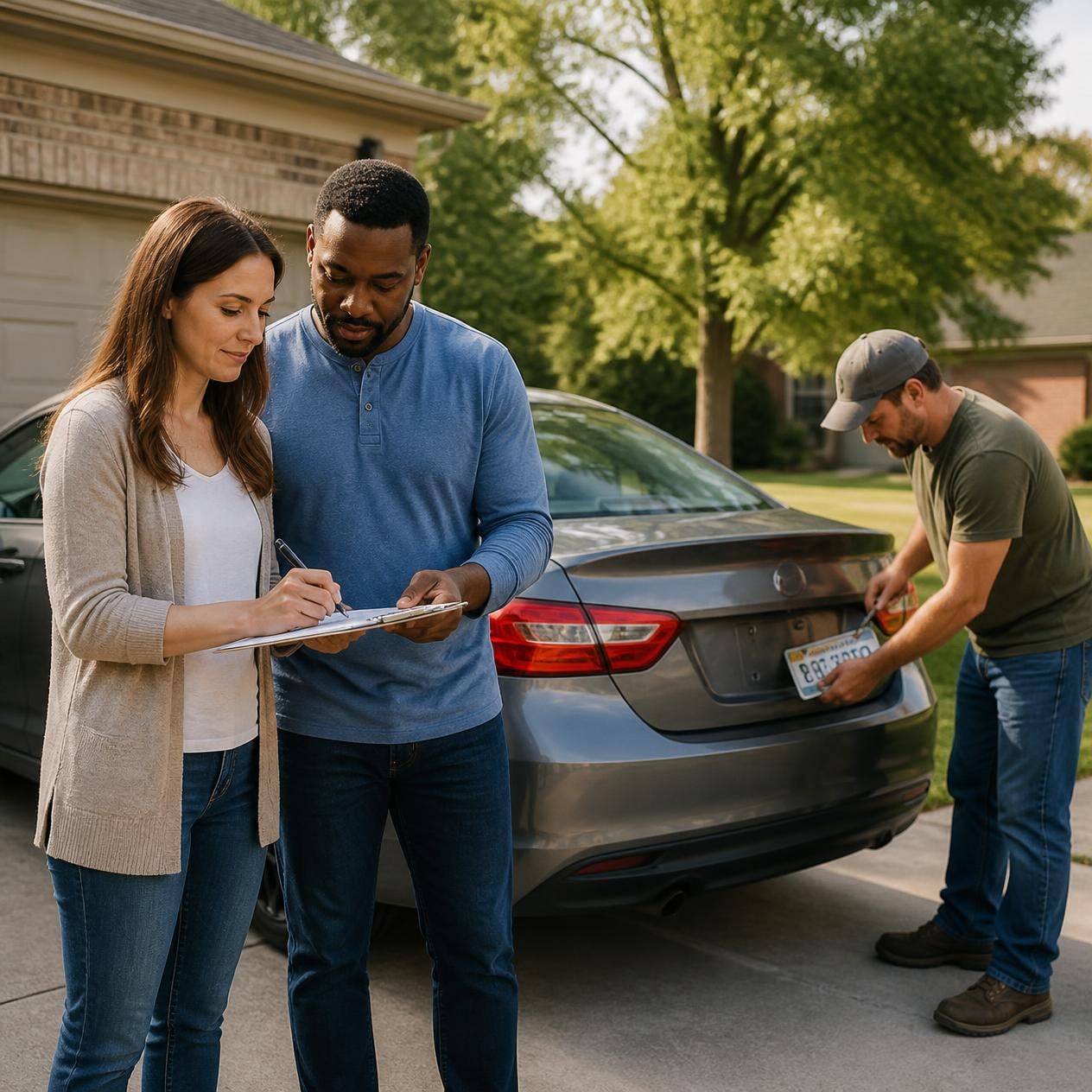
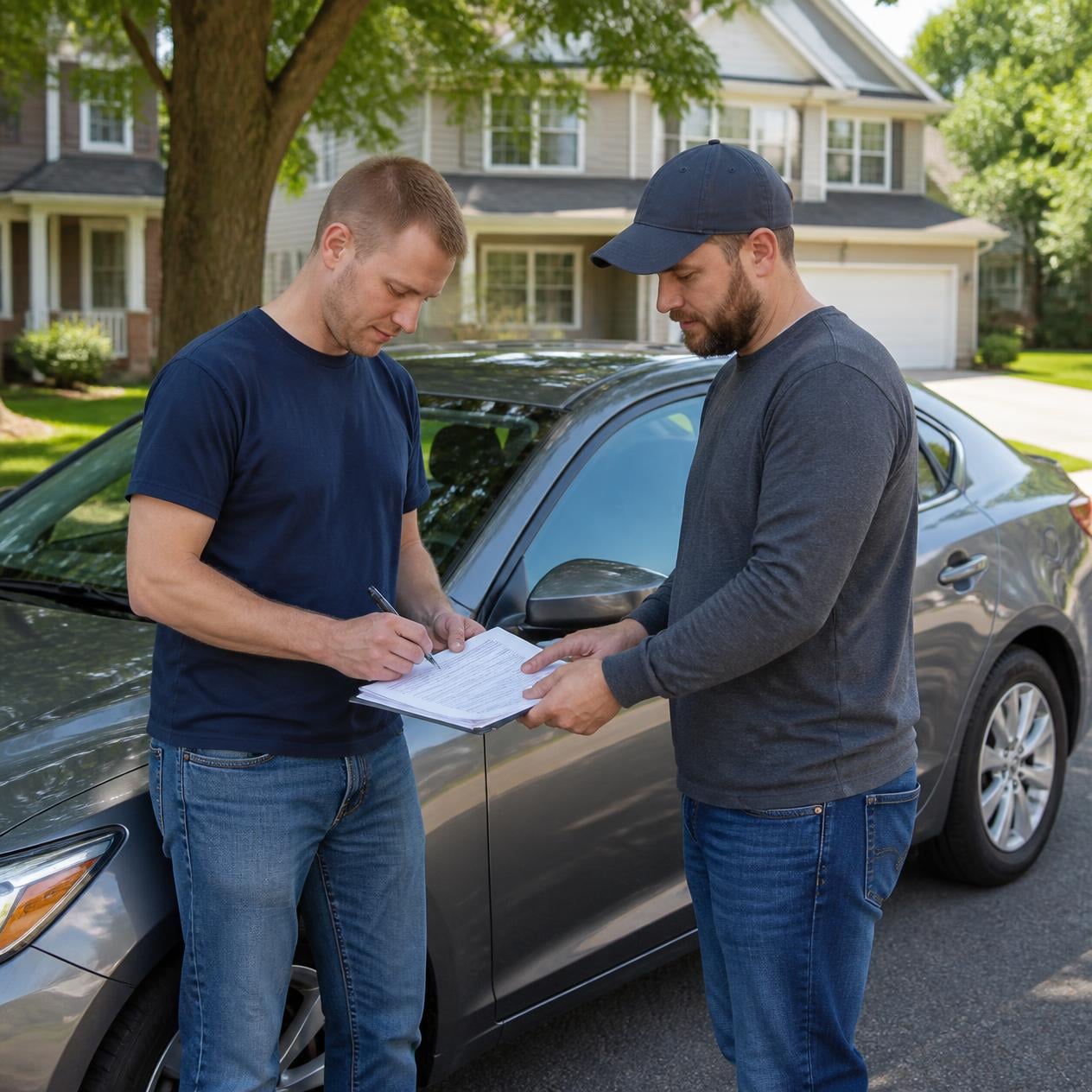
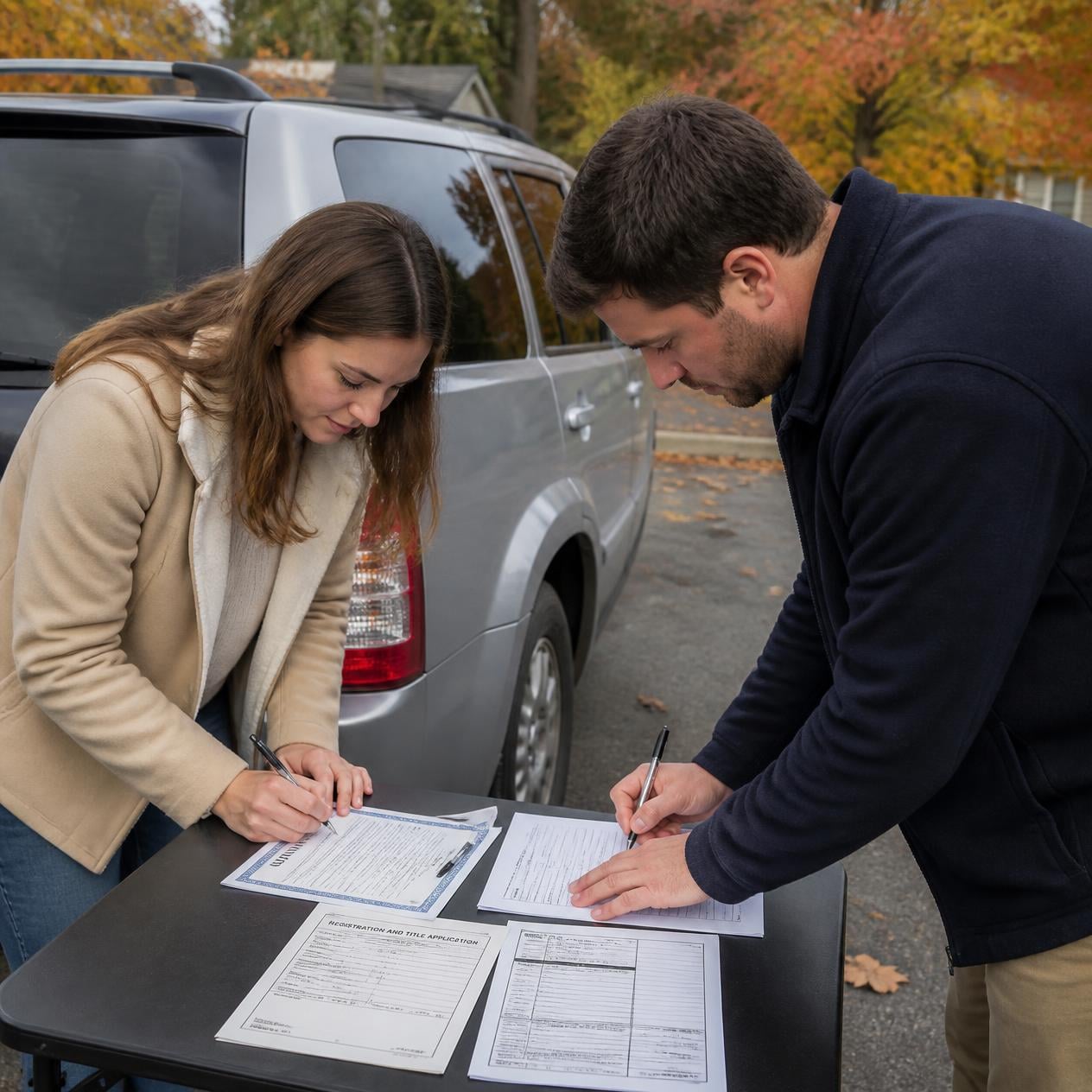
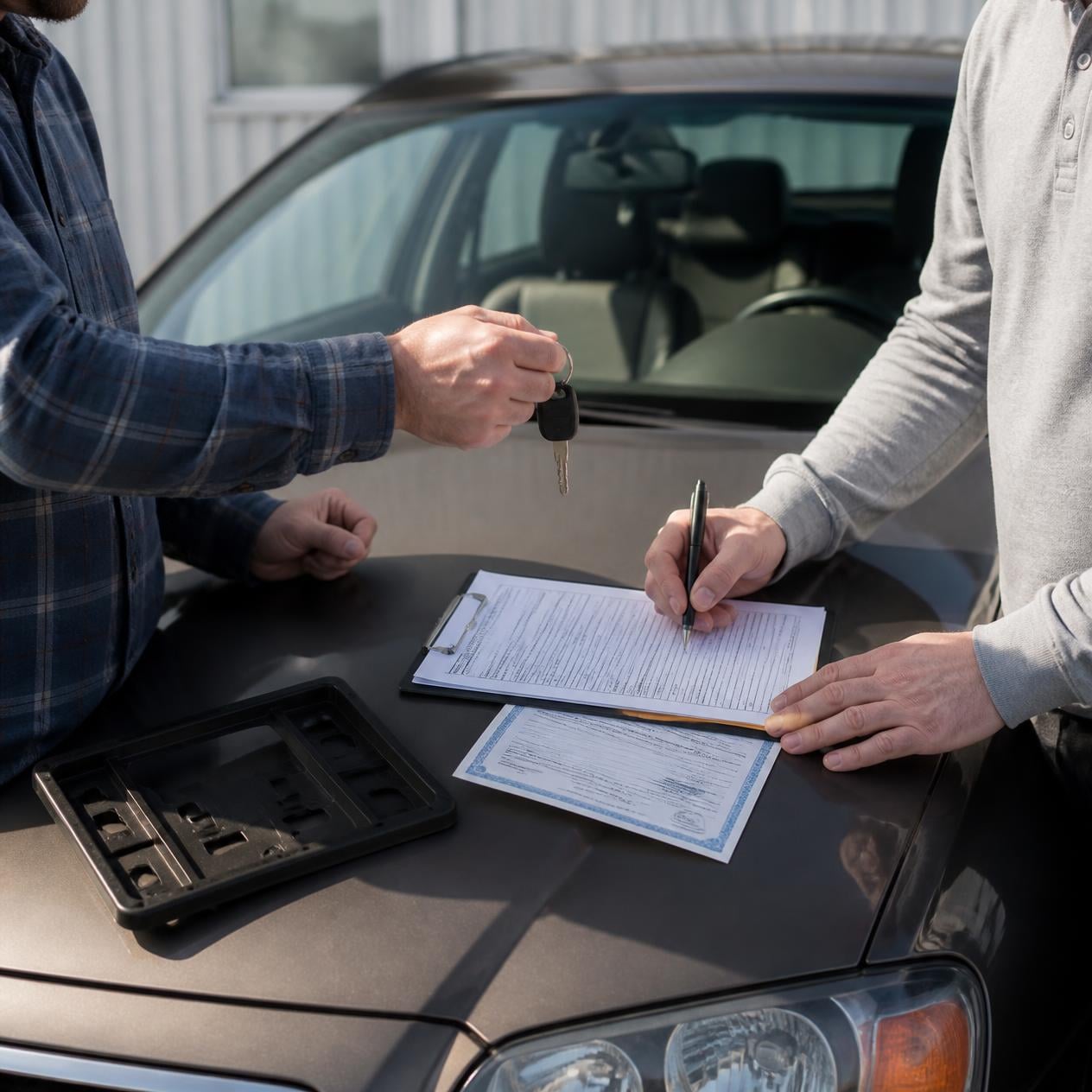
• Bill of Sale: A written document listing the buyer, seller, vehicle details, sale price, and date. Both parties should sign and keep a copy.
• Title Transfer: The seller must sign the title over to you. Make sure the name on the title matches the seller's ID.
• Release of Liability: The seller should file this with your state/local DMV so they're not responsible if you get a ticket after the sale.
• Registration and Taxes: You'll need to register the vehicle in your name and pay applicable sales tax at your local DMV.
• Insurance: Set up insurance before driving the car off — most states require at least liability coverage.
Important: Never pay in full before receiving the signed title. If the seller says the title is 'in the mail' or 'at the bank,' wait until it's physically in hand.

9. Red Flags to Watch Out For
Not every private seller is honest. Stay alert to these warning signs:
• Seller refuses to let you test drive the car
• Price is dramatically below market value with no explanation
• Seller is in a hurry or pushes you to close quickly
• Title is not in the seller's name (third-party title)
• No service records at all for a car over 5 years old
• Seller wants to meet in an unusual location or at odd hours
• VIN on the dashboard doesn't match the title or registration
Trust your instincts. If something feels off during the interaction — even if the car looks great — it's okay to walk away. KarKiosk has thousands of listings; another good deal is never far away.
10. Why KarKiosk Is the Smart Choice
KarKiosk (karkiosk.com) is designed specifically to make private used car buying safe and straightforward. Here's what sets it apart:
• Verified listings with detailed seller profiles
• Direct messaging so you never have to share personal contact info
• Easy search filters to find exactly what you're looking for
• Mobile-friendly — browse on your phone, anywhere, anytime
• A growing community of real buyers and sellers across the country
When you're ready to buy a used car from a private seller, start your search at karkiosk.com. It's the one platform built with both buyers and sellers in mind.