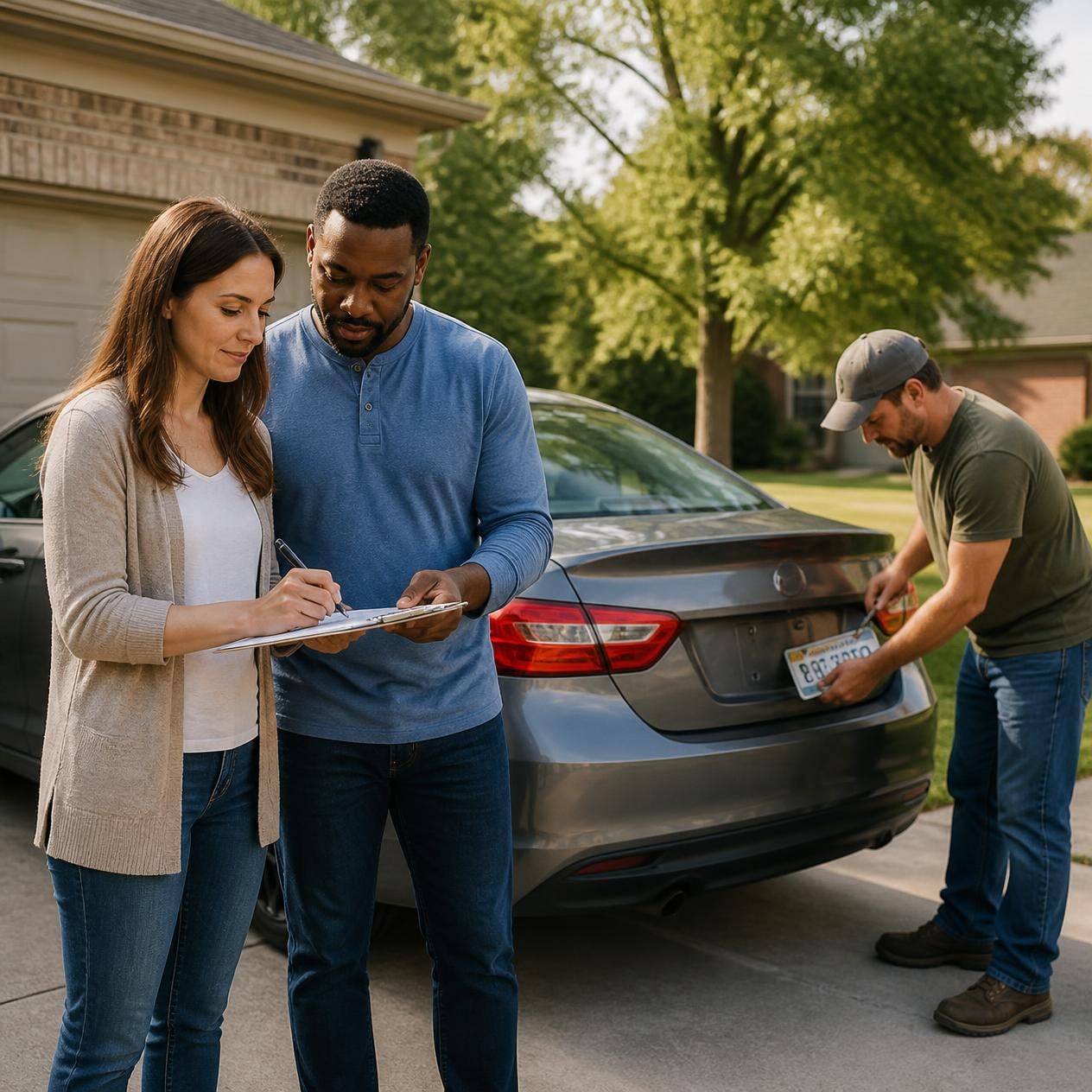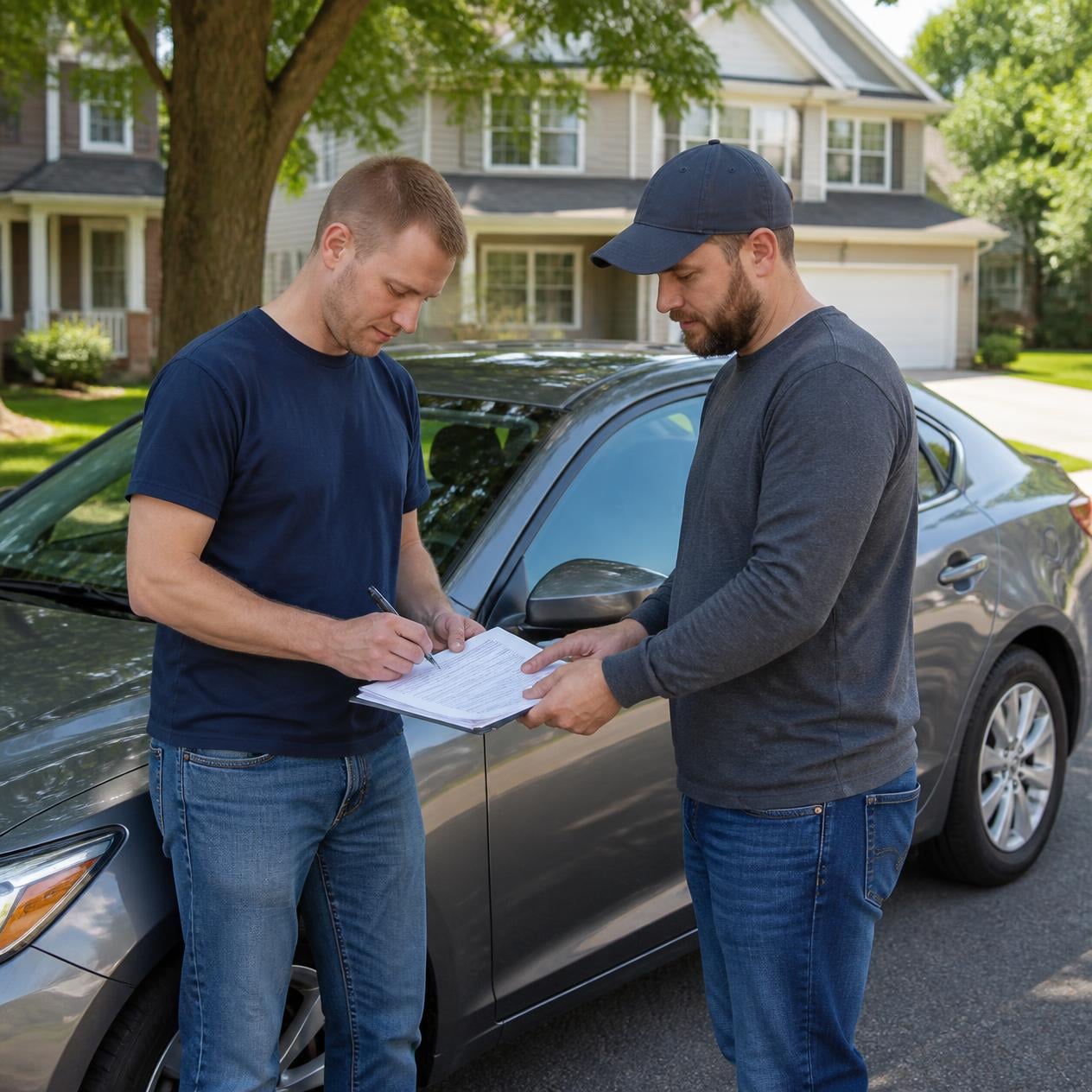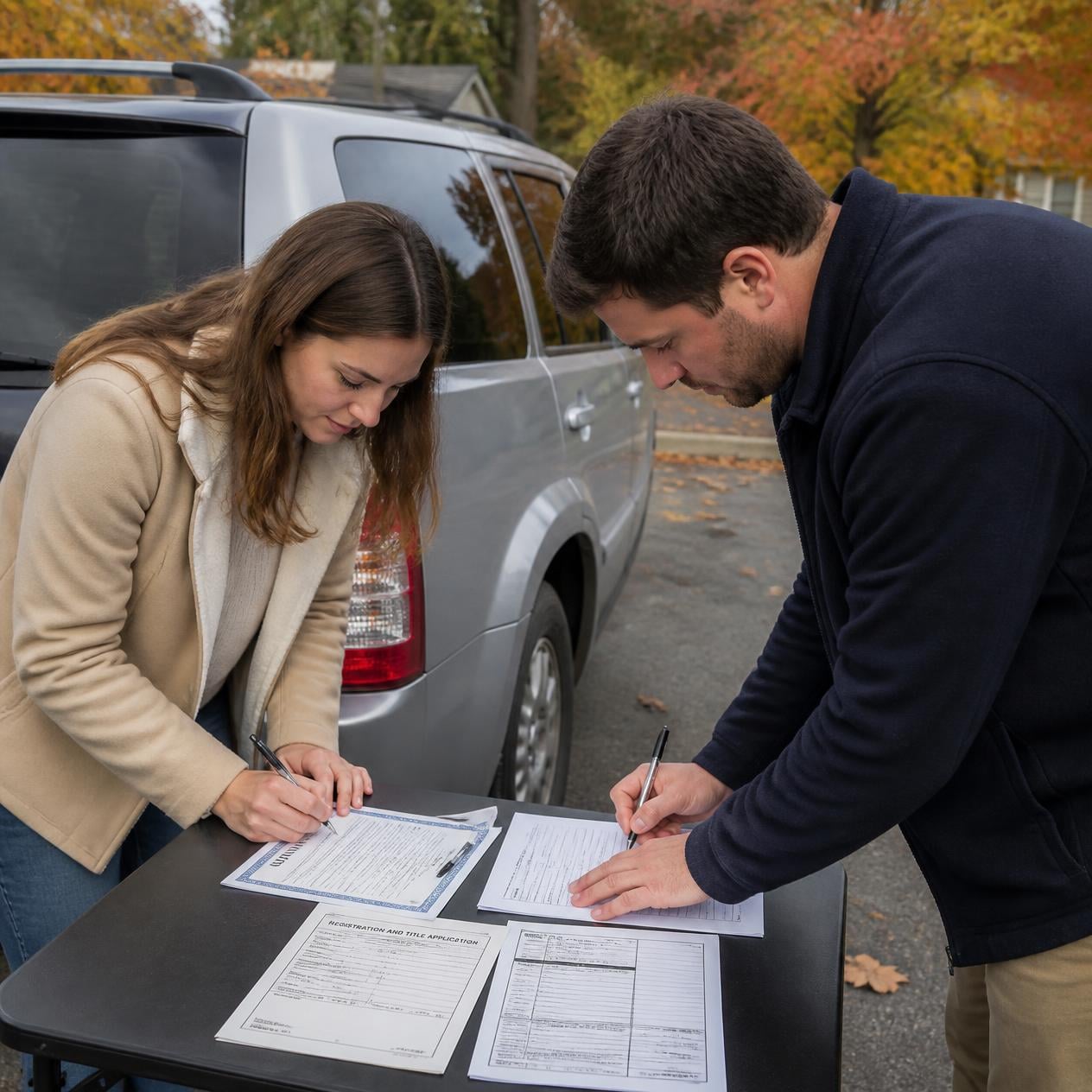


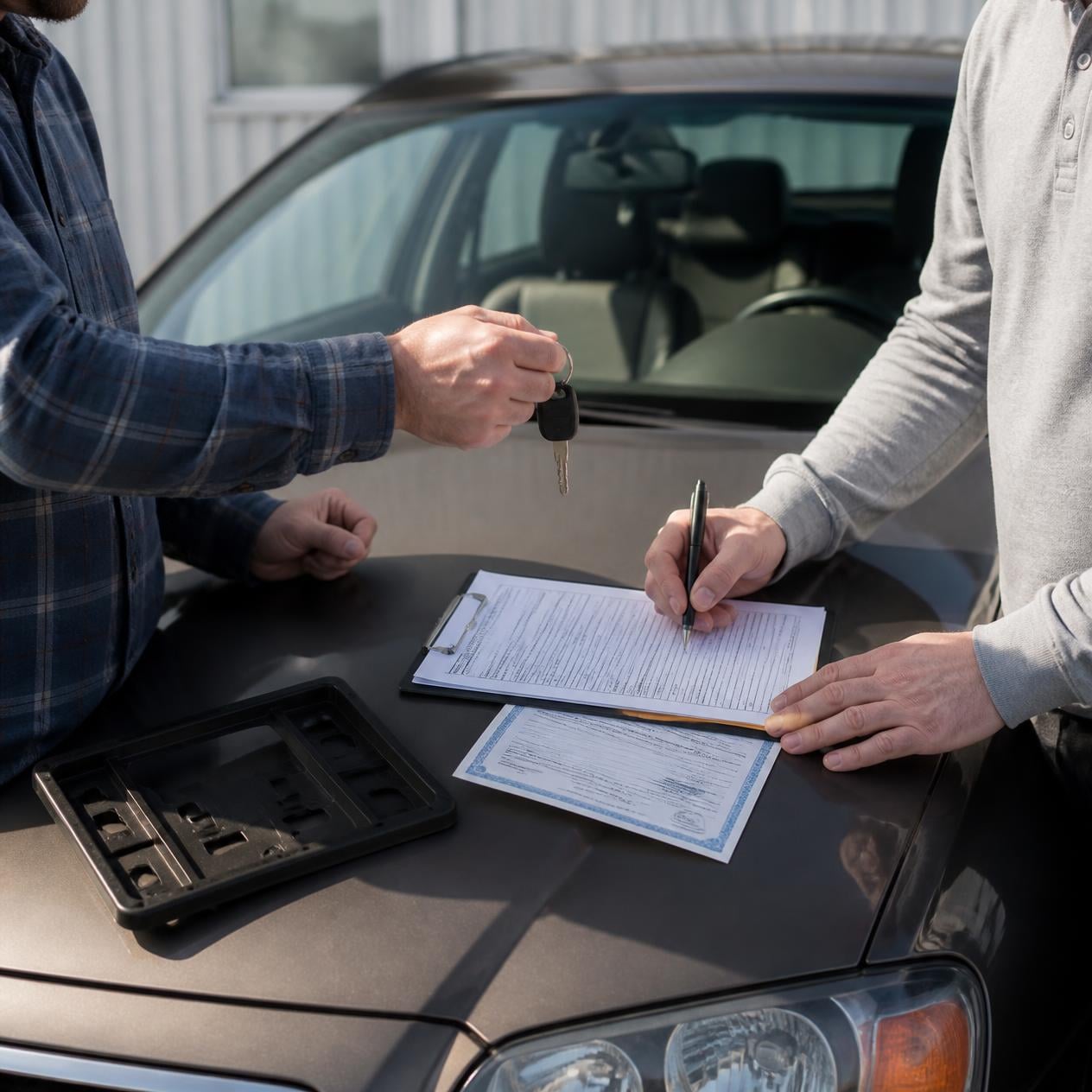
Bill of Sale Aug 31, 2026
Buying a used car from a private seller can save you thousands of dollars compared to buying from a dealership. No middleman, no inflated fees, and often a better price on a well-maintained vehicle.
But here's the catch — private sales usually come with zero warranties and zero guarantees. Once you hand over the cash, the car is yours — problems and all.
That's why asking the right questions upfront is everything.
This guide walks you through every question you should ask before buying a used car from a private seller, so you don't get stuck with a money pit on wheels.

Why Buying From a Private Seller Is Different
When you buy from a dealership, you get certified pre-owned options, return policies, and often some form of warranty. With a private seller, you're buying "as-is."
That's not necessarily a bad thing — but it means you have to do the homework.
Here's a quick look at the difference:
Pros and Cons of Buying a Used Car From a Private Seller
Factor | Private Seller | Dealership |
Price | Usually lower | Higher (markup included) |
Warranty | Rarely offered | Often available |
Negotiation room | More flexible | Less flexible |
Vehicle history | You must request it | Often provided |
Paperwork support | Minimal | Handled for you |
Trust/accountability | Lower | Higher (regulated) |
Hidden fee risk | Low | Higher |
Questions to Ask About the Car's History
Before you even schedule a test drive, start with the car's background. A seller who has nothing to hide will answer these openly.
1. How long have you owned this car? If they've only had it for a few months, ask why they're already selling. Short ownership isn't automatically a red flag, but it deserves an explanation.
2. Why are you selling the car? Common answers like "upgrading to a newer model" or "don't need a second car anymore" are totally normal. Be cautious if the answer feels vague or evasive.
3. Has the car been in any accidents? Always ask this directly. Even if they say no, run a vehicle history report through a service like Carfax or AutoCheck to verify.
4. Has the title ever been branded (salvage, rebuilt, flood)? A salvage title means the car was once declared a total loss by an insurance company. These cars can be repaired and driven, but they significantly affect resale value and can have hidden structural issues.
5. How many previous owners has it had? More owners can mean more wear. One or two owners is generally better. Anything above three for a 5–6 year old car is worth digging into.
Questions About Maintenance and Repairs
A well-maintained car is worth more than its mileage suggests. Ask about upkeep.
6. Do you have maintenance records? Oil changes, tire rotations, brake jobs — a seller with receipts is a seller who cared for their car. No records doesn't mean it wasn't maintained, but it does mean you can't verify it.
7. What repairs have been done recently? Recent repairs can be a good sign (the car is in good shape) or a warning sign (something major just broke). Ask what was repaired, when, and by whom.
8. Has it had any major mechanical work? Engine replacements, transmission rebuilds, or suspension overhauls are big-ticket items. Know what's been touched.
9. When were the tires last replaced? Tires have a lifespan. Good tread is easy to check in person, but knowing the age matters too — rubber degrades even if tread looks fine.
10. Is there anything you know needs fixing right now? Honest sellers will often tell you upfront if something minor is off. If they hesitate or say "nothing at all," stay alert during your inspection.

Questions About the Car's Current Condition
You'll inspect the car yourself, but asking these questions first tells you what to look for.
11. Are there any warning lights currently on? Don't accept "I don't know" here. Ask the seller to start the car and show you the dashboard. Any check engine or warning light needs an explanation.
12. Has the car ever had rust issues? Especially important if the car was driven in states with heavy winter road salting (like Illinois, Michigan, or New York).
13. Does the AC and heat work properly? HVAC repairs are expensive. Test both systems during your visit.
14. How does it drive on the highway? Ask before the test drive. If they say "I only drive it around town," that could mean highway issues haven't been discovered — or they're being avoided.
15. Are all the electronics working? Windows, locks, backup camera, infotainment system — all of these cost money to fix. Test everything.
Questions About Ownership and Legal Status
This section is critical. You need to make sure the car can legally be sold to you.
16. Do you have a clean title in your name? The seller must have the title. If it's in someone else's name, or they say "the title is being processed," walk away. You could end up buying a car that can't be legally transferred to you.
17. Is there a lien on the vehicle? If the seller still owes money on the car, a lender may have a lien on the title. That lien must be paid off before you can get a clean title. Always verify this before paying.
18. Is the registration current? Expired registration can mean unpaid fees that could become your problem after purchase in some states.
19. Does the VIN on the car match the title and registration? This is a basic but important check. The VIN (Vehicle Identification Number) should match on the dashboard, door jamb, title, and registration. Mismatches are a serious red flag.
Key Documents to Request From the Seller
Document | Why It Matters |
Clean title | Confirms legal ownership |
Maintenance records | Shows upkeep history |
Vehicle history report | Reveals accidents, ownership, recalls |
Current registration | Confirms no outstanding fees |
Warranty paperwork (if any) | Transfers remaining coverage to you |
Bill of sale | Legal record of the transaction |
20. What's your asking price and is it negotiable? Most private sellers expect some negotiation. Know the car's market value using resources like Kelley Blue Book or Edmunds before you meet.
21. Have you had the car appraised recently? Some sellers do this upfront, which can either justify their price or open a conversation about why yours should be lower.
22. Would you be open to a pre-purchase inspection by my mechanic? This is the single most important thing you can do before buying any used car. A pre-purchase inspection (PPI) from a trusted mechanic costs $100–$200 and can save you from a $5,000 mistake. A seller who refuses this request is a seller who's hiding something.
Before You Pay: Final Checklist
Use this before handing over any money:
[ ] You've run a vehicle history report
[ ] You've had an independent mechanic inspect the car
[ ] The VIN matches on the car, title, and registration
[ ] The title is clean and in the seller's name
[ ] No lien exists on the vehicle
[ ] You've negotiated a fair price based on market value
[ ] You have a bill of sale ready to sign
[ ] You understand your state's transfer process and timeline
Where to Find Trustworthy Used Car Listings
If you're looking for private seller listings you can actually trust, KarKiosk is a great place to start. KarKiosk makes it easy to browse used car listings, connect with private sellers, and access vehicle information — all in one place, without dealership pressure or markups.