

Bill of Sale Aug 31, 2026
Selling a car privately in Alaska comes with its own set of rules, and the paperwork can feel confusing if you have never done it before. One document that comes up again and again is the bill of sale. Some sellers assume it is required by law. Others skip it entirely and hope for the best. Neither approach is quite right, and getting it wrong can slow down your sale or cause headaches for you and your buyer later. This guide breaks down exactly what an Alaska bill of sale is, when you actually need one, what information belongs on it, and how it fits into the bigger picture of transferring a vehicle title in the state. We will also cover the odometer disclosure rule that trips up a lot of first-time sellers, plus a few practical tips for closing the deal smoothly. Whether you are selling a daily driver, a truck you have had for years, or a vehicle you simply want off your hands quickly, understanding these steps upfront saves you from back-and-forth phone calls with the DMV later. Let's walk through it piece by piece, starting with the basics. It is a separate document from the vehicle title. The title is what legally proves ownership and transfers that ownership from seller to buyer. The bill of sale simply documents the terms of the sale itself. A bill of sale, on the other hand, has no power to transfer ownership by itself. You could hand a buyer a perfectly filled-out bill of sale, but if the title is never signed over, the sale is not complete in the eyes of the DMV. Think of the title as the deed and the bill of sale as the receipt. You want both, but only one of them actually moves ownership from your name to the buyer's. This distinction matters most when something goes wrong. If a buyer stops paying on an agreed installment plan, or a seller claims the car was never actually sold, the title tells you who owns the vehicle right now. The bill of sale tells you what was agreed to when the deal was made. Keeping both organized protects you either way. That said, a bill of sale becomes important in a few common situations, especially when a vehicle is being registered in Alaska for the first time or when a buyer needs extra proof of the purchase price for tax or registration purposes. The table below breaks down when you genuinely need one versus when it is simply good practice.What Exactly Is a Bill of Sale?
A bill of sale is a short written record of a private transaction. It states who sold the vehicle, who bought it, what the vehicle was, how much it sold for, and when the sale happened. Think of it as a receipt with legal weight. If a dispute ever comes up about the price you paid or when ownership actually changed hands, the bill of sale is the paper trail that backs up your story.Bill of Sale vs. Vehicle Title: Why the Difference Matters
New sellers often assume the bill of sale and the title do the same job. They do not, and mixing them up can cause real problems. The title is the legal instrument of ownership. Whoever holds a properly signed title is recognized as the legal owner in the eyes of the state and, frankly, in the eyes of the law generally.Do You Need a Bill of Sale to Sell a Car in Alaska?
Here is where a lot of sellers get confused. The Alaska Division of Motor Vehicles does not require a bill of sale to transfer ownership of a vehicle that already carries an Alaska title. Ownership legally passes when the seller signs the assignment section on the title itself and hands it to the buyer.
| Situation | Bill of Sale Required? | Why It Matters |
|---|---|---|
| Selling a vehicle that already has an Alaska title | Not required for transfer | The signed title assignment legally transfers ownership |
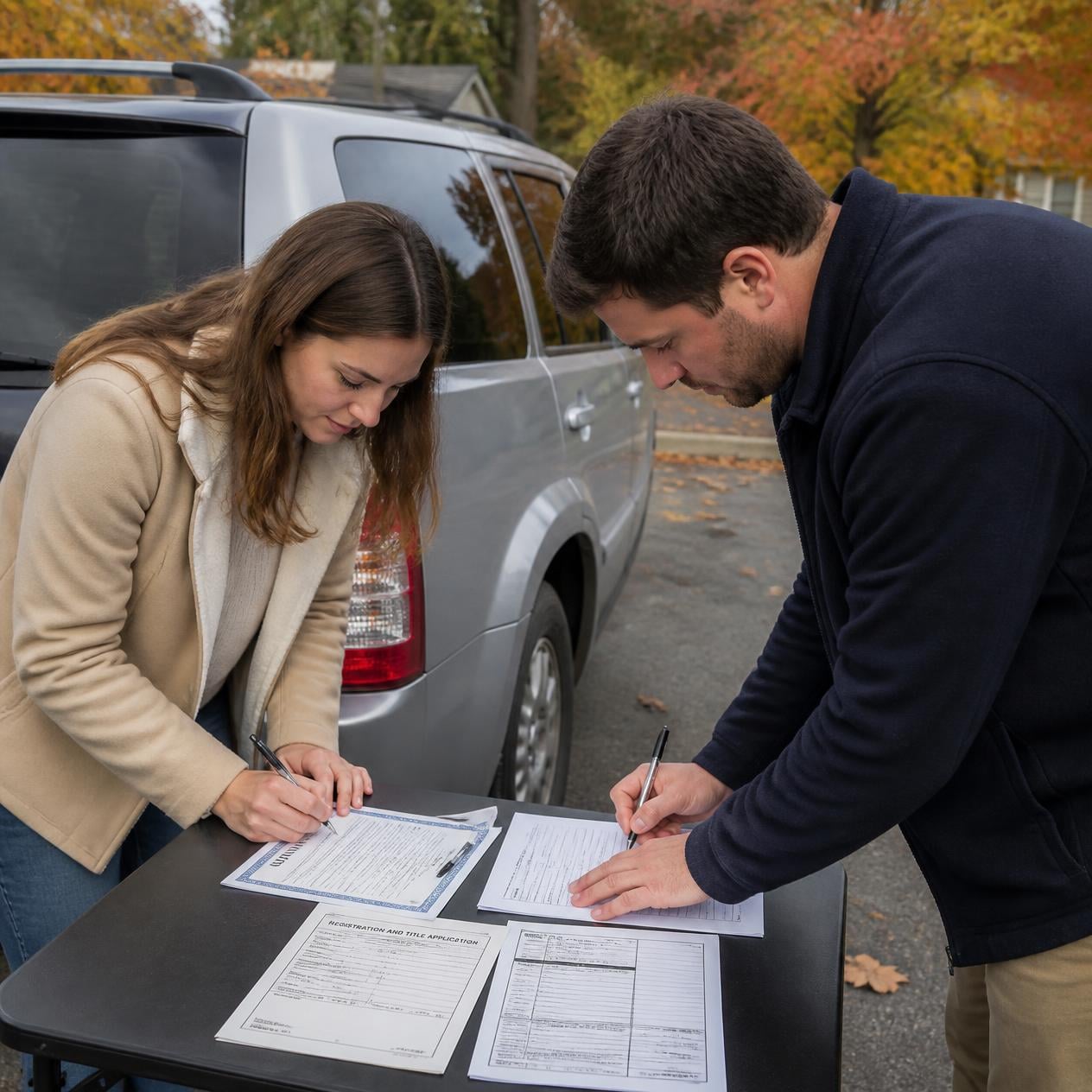
| Registering a vehicle new to Alaska (from out of state) | Required by DMV | Proves purchase price and ownership for registration |
| Selling a boat or vessel | Required | Serves as the primary proof of ownership |
| Selling a vehicle as salvage or for parts | Recommended | Documents condition and sale terms clearly |
| Any private-party car sale in general | Recommended | Protects both sides if a dispute comes up later |
What Information Goes on an Alaska Bill of Sale?
An Alaska bill of sale does not need to be fancy, but it does need to be complete. Missing details are the most common reason a form gets rejected or questioned later. Here is what should be on every bill of sale for a private vehicle sale.| Field | What to Include |
|---|---|
| Buyer information | Full legal name and current address |
| Seller information | Full legal name and current address |
| Sale price | The exact dollar amount paid for the vehicle |
| Date of sale | The day the vehicle actually changed hands |
| Vehicle description | Year, make, model, body style, and color |
| VIN | The full vehicle identification number |
| License plate number | If the vehicle has one at the time of sale |
| Odometer reading | Recorded mileage at the time of sale |
| Signatures | Both buyer and seller must sign and date the form |
Step-by-Step: Selling Your Car Privately in Alaska
Once you have a buyer lined up, the actual paperwork process is straightforward if you follow it in order. Here is the sequence most private sellers in Alaska follow from start to finish.
1
Gather Your Paperwork
Locate your original vehicle title, any lien release if the vehicle was financed, and your registration. If you cannot find the title, request a duplicate from the DMV before you list the car, since a missing title is the single biggest delay in any private sale.
2
Complete the Odometer Disclosure
For vehicles less than ten years old, federal and state law require a written odometer statement. This is separate from the bill of sale and protects the buyer from mileage fraud.
3
Sign the Title Over to the Buyer
Complete the Assignment of Vehicle Title section on the back of the title. Print your name exactly as it appears on the title, sign, and date it. If more than one owner is listed with an 'and' between names, both must sign. If it says 'or,' only one signature is needed.
4
Fill Out the Bill of Sale
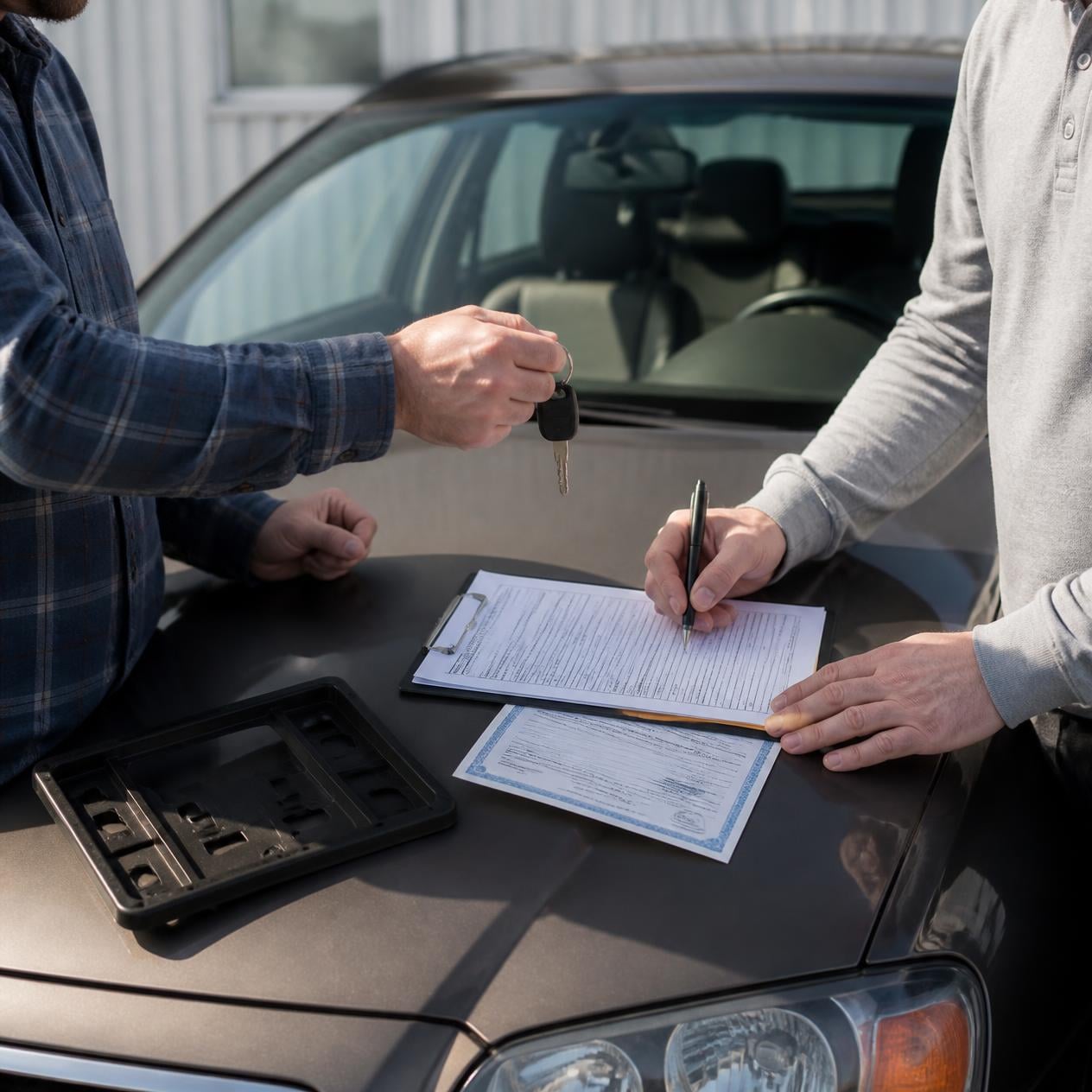
Complete a bill of sale using the fields listed earlier in this guide. Make two copies, one for you and one for the buyer, and keep yours in a safe place for your own records.
5
Report the Sale to the DMV
Alaska sellers should notify the DMV once a sale is pending, either by completing the Notice of Vehicle Sale for Transfer attached to the title or by reporting the sale online. This step protects you from future liability, tickets, or tolls tied to a vehicle you no longer own.
6
Remove Your License Plates
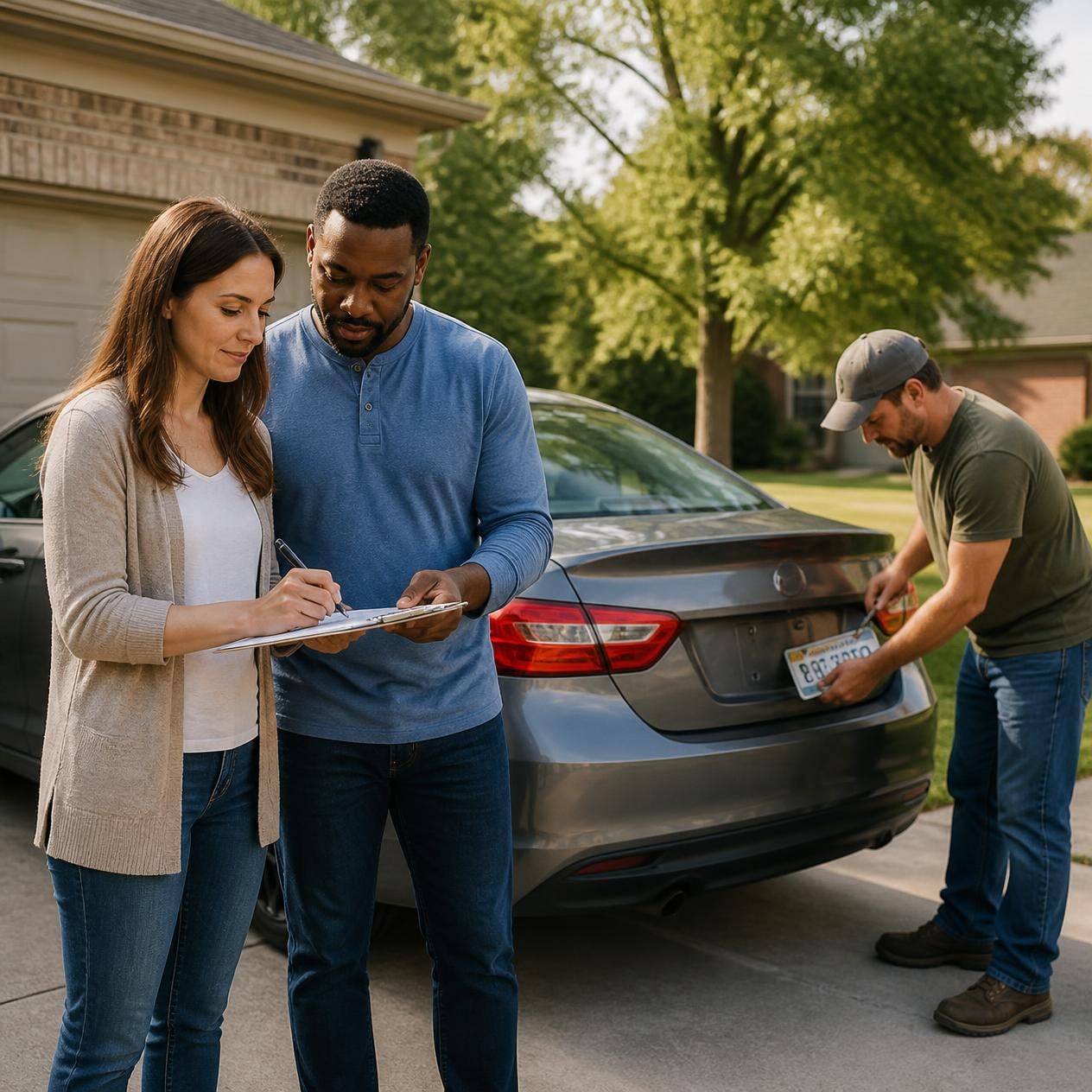
Alaska plates stay with the seller, not the vehicle. Take your plates off before you hand over the keys, since the buyer will need to register the vehicle and obtain new plates or a transfer of their own.

Odometer Disclosure: A Step Sellers Often Skip
The odometer disclosure statement is one of the most overlooked pieces of an Alaska car sale, yet skipping it can carry real consequences. Both federal and Alaska state law require sellers to give buyers a written, signed odometer reading for any vehicle under ten years old. Getting this wrong, whether by mistake or on purpose, can lead to fines.Both the buyer and seller should keep a legible copy of the odometer statement for at least four years after the sale. If your vehicle is ten years old or older, this requirement no longer applies, but many sellers still choose to record the mileage anyway for their own records.
Title Transfer Timelines You Should Know
Alaska sets clear deadlines around registering a vehicle after a sale, and missing them can mean extra fees or a trip back to the DMV. New residents bringing a vehicle into Alaska generally have ten days to complete registration. Buyers who purchase a vehicle already titled in Alaska typically have thirty days to title and register it in their own name.
Common Mistakes Alaska Sellers Make
A few small errors show up again and again in private car sales, and most are easy to avoid once you know what to look for.Forgetting to sign the title correctly is the most common one. A single missing signature or a name that does not match the title exactly can stall the entire transfer. Another frequent mistake is skipping the odometer statement on newer vehicles, which can create legal problems for both parties down the road.
Some sellers also forget to report the sale to the DMV, which leaves them on the hook if the buyer racks up parking tickets or gets into an accident before registering the vehicle in their own name. Finally, many sellers simply do not bother with a bill of sale at all, even though it takes only a few minutes and provides real protection if a dispute ever comes up. A less obvious mistake is failing to cancel insurance on the vehicle right after the sale closes. Many sellers keep coverage active out of habit, which means they are paying for a car that is no longer theirs. As soon as the title is signed and the sale is reported, it is worth calling your insurance provider to remove the vehicle from your policy. Pricing mistakes come up often too. Sellers who guess at a price without checking comparable listings tend to either scare off buyers or leave money on the table. A quick look at similar vehicles for sale in your area, matched by year, mileage, and condition, goes a long way toward setting a number that attracts serious offers instead of lowballs.A Few Tips for a Safer, Smoother Sale
Meet potential buyers in a public, well-lit location whenever possible, and bring a friend along if you can. Many local police stations in Alaska even offer safe exchange zones with security cameras specifically for transactions like this.
Ask to see a buyer's driver's license before a test drive, and hold onto your own copy of the vehicle's key documents until payment is confirmed. If a buyer wants to pay by check, consider meeting at their bank so the funds can be verified on the spot, rather than waiting days to find out if it clears.
Finally, take a few clear photos of the vehicle's condition and the odometer reading on the day of the sale. If a disagreement ever comes up about the car's state at handoff, dated photos paired with your bill of sale give you a clear, simple record to point to. On KarKiosk, you can start a listing using just your VIN or license plate number, which pulls in your vehicle's key details automatically so you spend less time on data entry. Once your listing is live, you can add photos, manage offers, and schedule test drives directly through the platform, all without ever sharing your personal phone number or address with strangers. When you land on an offer you like, KarKiosk keeps the process organized so you know exactly what paperwork, including your bill of sale and title transfer, needs to happen before the deal closes. It is a simple way to sell your car privately in Alaska without losing track of the details that matter. For Alaska sellers spread across a large state with fewer in-person options than more populated areas, having a platform that connects you directly with local, serious buyers is especially valuable. Instead of juggling classified ads and unanswered messages, you get a single place to manage your entire sale from first inquiry to final signature. Ready to list your vehicle? Visit karkiosk.com to get started with a private sale in Alaska today. Selling a car privately in Alaska is straightforward once you know which documents matter and when. A signed title transfers ownership, an odometer statement protects both sides on newer vehicles, and a bill of sale, while not always required, is a small step that adds real peace of mind. Pair that paperwork know-how with a platform built for private sales, and you have everything you need for a smooth, secure transaction from listing to handshake. Take a little time upfront to gather your title, fill out your paperwork correctly, and set a fair asking price, and the rest of the sale tends to fall into place. A well-prepared seller almost always closes a deal faster than one who is scrambling to find documents after a buyer has already shown interest.Selling Your Car Privately with KarKiosk
Handling paperwork correctly is only half the job. Finding the right buyer at a fair price is the other half, and that is where KarKiosk makes private selling much easier.
Final Thoughts