


Bill of Sale Aug 31, 2026
Selling a used car should not take months, yet many owners find themselves wondering why their phone never rings or why interested buyers disappear after a few messages. In most cases, the problem isn't the car itself. Instead, it's the way the vehicle is presented, priced, or advertised. Buyers today have access to hundreds of listings within minutes, so they naturally compare vehicles before deciding which seller to contact.
A few small mistakes can make even a well-maintained vehicle look less appealing than it actually is. Something as simple as blurry photos, an unrealistic price, or an incomplete description can convince buyers to move on to the next listing. The good news is that these mistakes are easy to avoid once you know what buyers are looking for.
Whether you're selling an economy car, a family SUV, a luxury sedan, or a pickup truck, understanding these common mistakes can help you attract more genuine buyers, receive better offers, and complete the sale much faster.
Why Some Cars Sell Quickly While Others Sit Unsold
If you've ever noticed two similar vehicles selling at completely different speeds, the reason often has little to do with the car itself. Buyers make decisions based on trust, presentation, and perceived value. A clean vehicle with detailed information immediately creates confidence, while an incomplete listing raises questions before the buyer even makes contact.
Think about how you would shop for a car yourself. If one listing contains professional photos, maintenance history, and a fair asking price while another has two blurry pictures and only says "Runs great," which one would you contact first? Most buyers make that decision within seconds.
The table below shows how common selling mistakes influence buyer behavior.
Common Mistake | How It Affects Your Sale |
Pricing above market value | Buyers skip your listing completely. |
Poor-quality photos | Fewer clicks and less interest. |
Dirty interior and exterior | Creates the impression of poor maintenance. |
Missing service records | Lowers buyer confidence. |
Incomplete description | Generates uncertainty and fewer inquiries. |
Slow communication | Buyers contact another seller instead. |
Refusing inspections | Makes buyers suspicious. |
Poor negotiation skills | Causes deals to fall through. |
Pricing Your Car Based on Emotion Instead of the Market
One of the biggest reasons cars remain unsold is unrealistic pricing. Many owners naturally believe their vehicle is worth more because they've taken good care of it or invested money in upgrades. While those improvements certainly matter, buyers usually compare your car with similar models already available in the market rather than considering the emotional value you place on it.
An overpriced listing often receives very little attention during the first few weeks. As time passes, buyers begin to assume something must be wrong with the vehicle because it hasn't sold. Eventually, sellers reduce the price several times, sometimes ending up accepting even less than they would have received if they had priced it correctly from the beginning.
Before creating your listing, spend some time comparing vehicles with similar mileage, trim levels, model years, and overall condition. A competitive asking price attracts more serious inquiries, which often leads to faster negotiations and stronger offers.
Using Low-Quality Photos That Don't Inspire Confidence
Your photos are the first thing buyers notice. Long before someone reads your description, they decide whether your car is worth exploring simply by looking at the images. Poor lighting, cluttered backgrounds, blurry pictures, or photos taken at night immediately reduce buyer confidence.
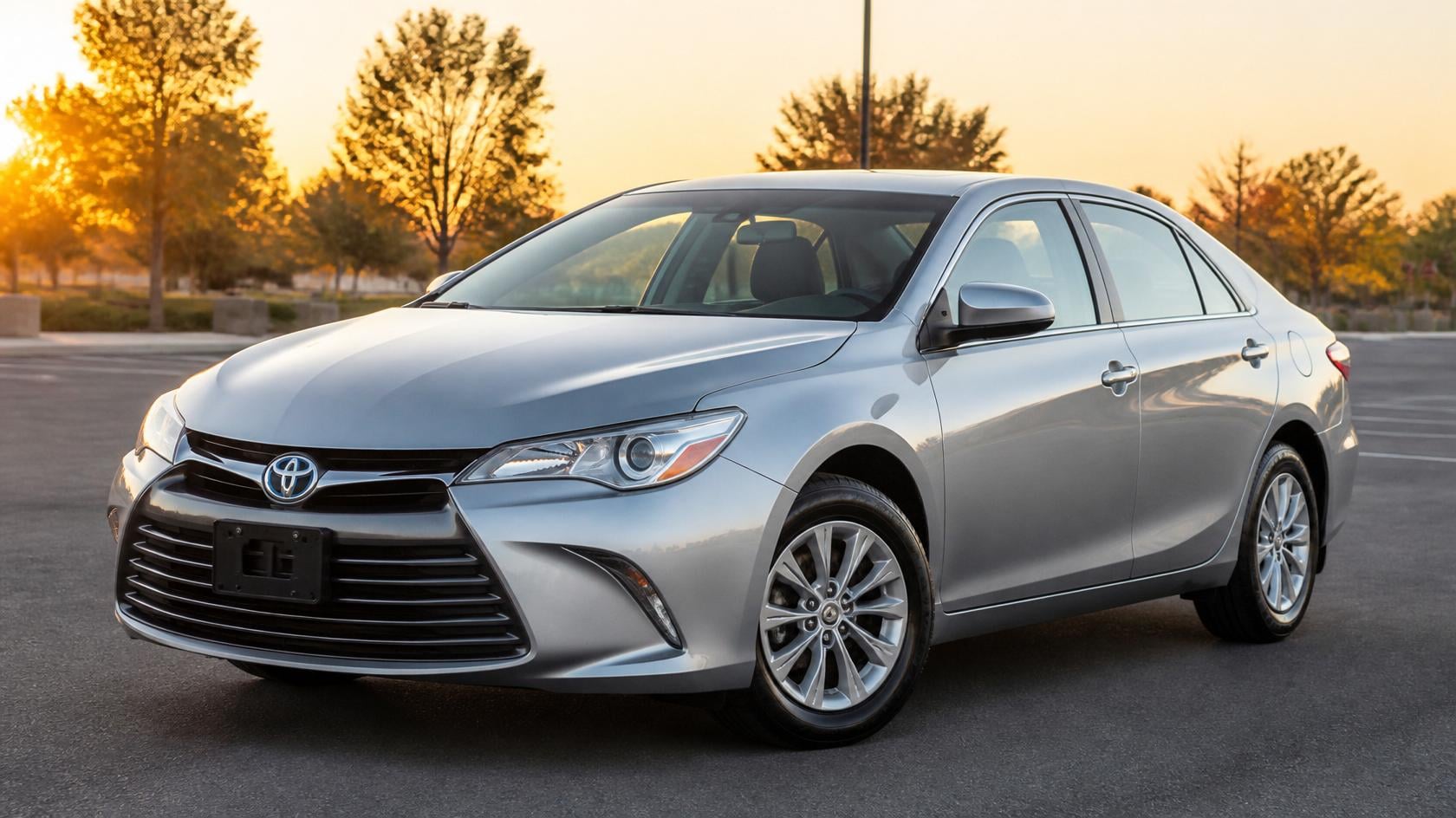
A clean vehicle photographed in natural daylight always creates a stronger first impression. Buyers want to see the entire vehicle from multiple angles, including the interior, dashboard, wheels, trunk, engine bay, and rear seats. They are trying to understand the condition before investing their time in contacting you.
You don't need expensive camera equipment to achieve good results. A modern smartphone, a clean location, and bright daylight are often enough to create professional-looking images that encourage buyers to click on your listing.
Forgetting That First Impressions Matter
Many sellers underestimate how much appearance influences buyers. Even if your vehicle runs perfectly, a dirty cabin, dusty dashboard, stained seats, or unpleasant odors can create the impression that the car hasn't been maintained properly.
Fortunately, making a good first impression doesn't always require spending hundreds of dollars on professional detailing. Washing the exterior, vacuuming the carpets, wiping down interior surfaces, cleaning the windows, and removing personal belongings can completely change how buyers perceive your vehicle.
When buyers arrive to inspect a clean and organized car, they often assume the mechanical maintenance has received the same level of care. That positive first impression makes conversations much easier and helps justify your asking price.
Writing a Listing That Leaves Buyers Guessing
Imagine finding a listing that simply says, "Great condition. Call for details."
Most buyers won't bother.
People shopping online expect answers before they make contact. If they have to ask basic questions about mileage, service history, engine size, trim level, or accident history, they'll usually move on to another listing that already provides that information.
A good description tells the complete story of the vehicle without overwhelming the reader. Explain how many miles the car has traveled, highlight important features, mention recent maintenance, and be honest about any cosmetic flaws. Transparency creates trust, and trust encourages buyers to reach out.
Instead of trying to sell with exaggerated phrases like "Best car ever" or "Must sell today," focus on providing useful information. Buyers appreciate honesty far more than sales language.
Hiding Minor Problems Instead of Being Honest
Every used car has some level of wear, and experienced buyers understand that. What concerns them is discovering problems that weren't mentioned in the advertisement.
For example, if the air conditioning needs servicing or the rear bumper has a small scratch, mentioning it upfront often works in your favor. Buyers appreciate honesty because it saves them from unpleasant surprises during the inspection.
Trying to hide imperfections usually backfires. Once buyers notice something that wasn't disclosed, they begin questioning everything else you've told them about the vehicle. Even if the issue is minor, trust disappears quickly, and the negotiation becomes much more difficult.
Being transparent doesn't reduce your chances of selling the car. Instead, it attracts buyers who already understand the vehicle's condition and are prepared to discuss a fair price.
Keeping No Maintenance History
A stack of service receipts may not seem exciting, but it can become one of your strongest selling tools. Maintenance records show buyers that the vehicle has been cared for consistently rather than neglected over the years.
Oil change receipts, brake replacements, tire purchases, battery installations, and records of major repairs all help paint a picture of responsible ownership. Buyers are naturally more comfortable paying a fair price when they can see documented evidence that routine maintenance has been performed.
Even if you don't have every receipt, gathering whatever records you do have before listing the vehicle makes your advertisement more credible and helps answer one of the biggest questions every buyer has: "Has this car been properly maintained?"
Table: Simple Improvements That Increase Buyer Interest
Improvement | Why Buyers Appreciate It |
Clean exterior and interior | Creates a strong first impression and shows the car has been cared for. |
Detailed description | Helps buyers understand the vehicle before contacting you. |
Honest disclosure of flaws | Builds trust and reduces surprises during inspection. |
Service history available | Demonstrates responsible ownership and regular maintenance. |
Professional photos | Increases clicks and attracts more serious buyers. |
Responding Too Slowly to Interested Buyers
When someone contacts you about your vehicle, there's a good chance they've also messaged several other sellers. Today's buyers move quickly because they have so many options available. If they don't hear back from you within a reasonable amount of time, they'll often schedule a viewing with someone else instead.
Fast communication doesn't mean you need to be available every minute of the day, but replying within a few hours shows that you're serious about selling. Even a short message acknowledging the inquiry and letting the buyer know when you'll be available can keep the conversation alive.
Buyers also appreciate clear answers. If they ask about mileage, accident history, title status, or recent maintenance, respond honestly and completely. Good communication builds confidence, and confidence often leads to appointments.
Making It Difficult for Buyers to See the Car
Some sellers unintentionally reduce their chances of making a sale by offering very limited viewing times. If buyers can only inspect the vehicle for one hour on a weekday, many simply won't be able to make it.
Flexibility goes a long way. Offering evening or weekend appointments gives more people the opportunity to see the car in person. Choosing a safe, well-lit public location also makes both parties feel more comfortable during the meeting.
When buyers have a positive viewing experience, they're more likely to spend time inspecting the vehicle carefully instead of rushing through the appointment. That often results in better conversations and more realistic offers.
Refusing an Independent Inspection
Most serious buyers want reassurance before making a major purchase. One of the easiest ways to provide that reassurance is by allowing an independent pre-purchase inspection.
Some sellers worry that an inspection will uncover minor issues or delay the sale. In reality, refusing an inspection often creates more concern than the inspection itself. Buyers may assume you're trying to hide something, even if the vehicle is in excellent condition.
If you've maintained your car well, an inspection usually works in your favor. It confirms the condition of the vehicle, reduces uncertainty, and helps both sides negotiate with confidence.
Being open to inspections also demonstrates transparency, which is one of the qualities buyers value most when purchasing a used vehicle.
Letting Emotions Control Negotiations
Every seller wants the best possible price, but negotiations are a normal part of selling a used car. Some owners become offended by lower offers and immediately reject them without discussion. Others become emotionally attached to the vehicle and struggle to separate personal memories from its market value.
A successful negotiation starts long before you meet the buyer. Decide on your ideal selling price, but also determine the lowest amount you're willing to accept. Having that number in mind helps you negotiate confidently without making rushed decisions.
Remember that buyers usually expect some room for discussion. A respectful conversation often produces a better outcome than refusing every offer. Staying calm, listening to the buyer's concerns, and explaining why your asking price is reasonable creates a much more productive negotiation.
Small Changes That Can Make a Big Difference
Selling a car faster isn't usually about making one dramatic improvement. Instead, it's the result of getting many small details right. When those details come together, buyers notice the difference immediately.
The table below summarizes simple actions that can significantly improve your chances of attracting serious buyers.
Action | Benefit |
Price your car according to current market value | Generates more inquiries from serious buyers. |
Upload high-quality photos | Improves click-through rates and buyer interest. |
Thoroughly clean the vehicle | Creates a stronger first impression during viewings. |
Include maintenance records | Builds trust and supports your asking price. |
Write a detailed description | Answers common questions before buyers ask. |
Respond to inquiries quickly | Prevents buyers from moving on to another listing. |
Allow independent inspections | Demonstrates honesty and transparency. |
Be flexible with viewing times | Makes it easier for more buyers to inspect the car. |
Stay professional during negotiations | Helps both parties reach a fair agreement. |

Final Thoughts
Selling a used car successfully isn't just about finding someone who needs your vehicle. It's about giving buyers enough confidence to choose your listing over the hundreds of others they see online.
Many vehicles stay on the market longer than necessary because of avoidable mistakes. An unrealistic asking price, poor photos, missing maintenance records, slow communication, or incomplete information can all discourage buyers before they ever reach out. Fortunately, these issues are completely within your control.
By taking the time to prepare your vehicle, write an informative listing, respond promptly, and remain transparent throughout the process, you'll create a much better buying experience. Buyers appreciate honesty, professionalism, and clear communication, and those qualities often translate into faster sales and stronger offers.
If you're ready to list your vehicle, KarKiosk provides a straightforward platform where you can showcase your car with detailed information and quality photos, making it easier for genuine buyers to discover your listing. Combining a well-prepared vehicle with a well-crafted listing gives you the best chance of selling quickly and confidently.